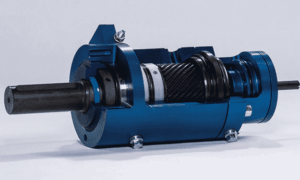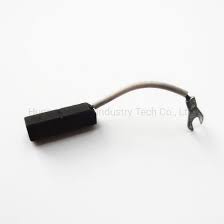
The increasing application of resin-bonded carbon in bearings, seals, vanes, and rotors which are used in various industrial sectors is likely to create multiple growth opportunities for the resin-bonded carbon market. The characteristics of resin-bonded carbon such as high conductivity, and low thermal expansion. Furthermore, it can be molded easily in the desired shape as per the requirement. These advantages of resin-bonded carbon have augured their use in car coolant pumps and washing machines. In addition, it can also be used in aircraft gas turbines or stem shafts of nuclear submarines. All these factors have promoted new growth avenues for the growth of the resin-bonded carbon market.
It is also used rotary pumps and compressors for effective control of non-lubricating liquids and gases. Further, the carbon seal faces are used to handle materials such as acids, alkalis, petrochemicals, and others. These advantages have proved to be beneficial to promote the growth of the resin-bonded carbon market.
Prominent Use of Resin-Bonded Carbon in Wet and Dry Running Applications Propels Market Growth
The characteristics of resin-bonded carbon make them suitable for seal bearings, rotors, and vanes which can be used in wet and dry running applications. The resin-bonded carbon materials are given specialized characteristics of these materials without going through coking and impregnation. They are also used in low-temperature applications. All these aspects have shown significant growth in the resin-bonded carbon market.
Customer Specific Applications Add Value to Resin-Bonded Carbon Market
The development of customer-specific applications as per their requirement is possible due to the advantageous properties of resin-bonded carbons. The manufacturers are focussing on producing parts within the existing products as a part of their novel product developments. The key players are investing in rigorous research and development activities to innovate new technologies to cater to customer needs. The new product launches have created immense growth opportunities for the resin-bonded carbon market. The companies are striving hard to create their custom grades to expand their global presence. The team of experienced engineers is providing expert advice to the manufacturers to enhance their quality and production. The companies are focusing on hiring skilled craftsmen to meet customer-specific requirements for processes such as drilling, tapping, polishing, and others. Furthermore, the players are investing huge amounts in quality assuring training software systems to ensure the quality and customization of products as per the requirements.
Expanding Use of Seal Rings in Various Equipment to Bring Exponential Growth to Resin-Bonded Carbon Market
The seal rings which constitute resin-bonded carbon are beneficial in optimizing the sealing performance. Furthermore, it also extends the uptime of the equipment. Carbon bearings and bushings are required in various applications. The manufacturers need to customize them in various sizes, shapes, and quantities. Further, they are involved in the custom manufacture of bearing and bushings. The companies are developing their own proprietary grades to create the right product for the customer. These developments have augmented the growth of the resin-bonded carbon market.
The COVID-19 pandemic had affected the production process and there were disruptions in the supply chain. These restraints had affected the market negatively. However, things are coming back to normal so the resin-bonded carbon market is expected to show significant growth.
Get a glimpse of the in-depth analysis through our Report Brochure
Asia Pacific to Emerge as Frontrunner in Resin-Bonded Carbon Market
Asia Pacific is anticipated to show substantial growth owing to the increasing manufacturing units in this region. The countries like India, China, and Japan have contributed in increasing the revenue share due to an increase in demand for new equipment in the resin-bonded carbon market. The foreign investments in setting up new plants may bring ample opportunities for the growth of the resin-bonded carbon market.