

















Film and television audio production is entering a new phase where efficiency, precision, and collaboration matter just as much as creative talent. As streaming platforms continue increasing content output and production schedules become tighter, audio teams are under constant pressure to deliver cinematic sound faster without sacrificing quality. This demand is pushing studios, post-production houses, and freelance sound professionals toward advanced workflow automation inside Pro Tools environments.
What once required multiple assistants manually organizing sessions, routing stems, naming tracks, managing revisions, and preparing deliverables can now be streamlined through intelligent automation systems. In 2026, automation is no longer viewed as a shortcut. It is becoming an operational necessity for modern audio production teams working across episodic television, feature films, advertising, gaming, and streaming content.
Why Workflow Automation Has Become Essential
The scale of modern productions has changed dramatically over the past few years. A single streaming series may involve hundreds of audio assets across dialogue editing, ADR, Foley, sound design, music integration, surround mixing, and localization. Managing these moving parts manually creates bottlenecks that slow down delivery timelines and increase the risk of costly errors.
Audio engineers today spend a significant portion of their time on repetitive technical processes rather than creative work. Tasks like track layout organization, clip gain preparation, metadata handling, loudness checks, version exports, and session cleanup consume hours that could otherwise be spent refining the emotional impact of the soundtrack.
Automation tools are helping solve this imbalance by reducing repetitive operational work while improving consistency across projects. Teams are now able to standardize workflows across multiple editors, remote collaborators, and departments while maintaining creative flexibility.
According to many post-production supervisors, one of the biggest operational shifts is not simply faster editing but smarter session management. Intelligent systems now help audio teams identify workflow inefficiencies before they become production delays.
The Rise of Intelligent Pro Tools Automation
Modern Pro Tools automation extends far beyond traditional macros or keyboard shortcuts. Advanced systems now integrate machine learning, adaptive templates, metadata intelligence, and real-time project synchronization.
These tools can automatically organize sessions based on project type, detect routing inconsistencies, assign naming conventions, generate deliverables, and optimize collaboration between editors and mixers. Instead of engineers spending hours preparing sessions, much of the technical groundwork can now happen automatically in the background.
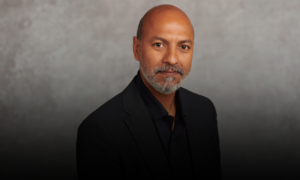
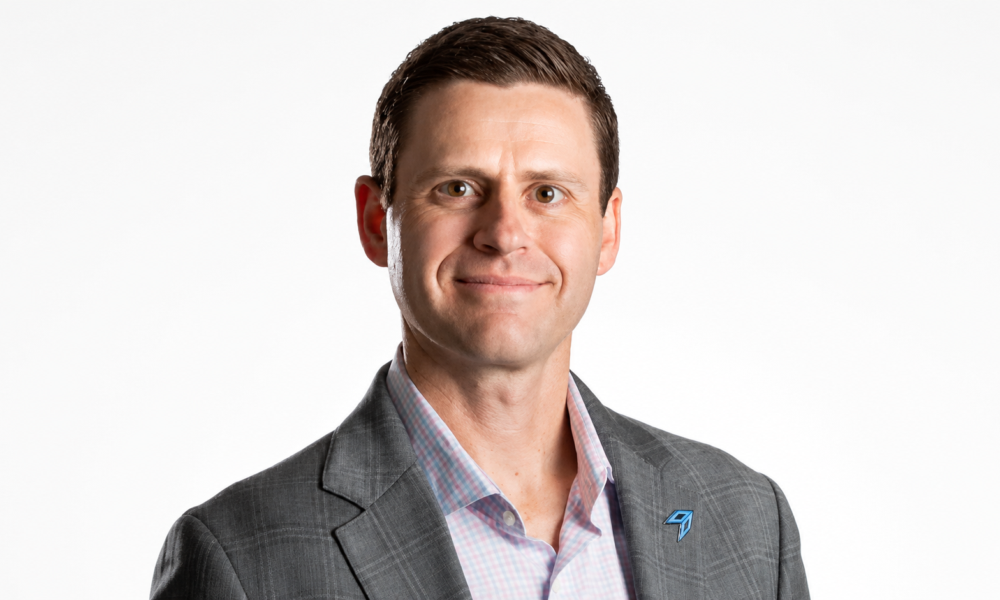
Loris Comba, CEO & Co-Founder of Forte AI, explains how automation is changing the role of modern audio teams:
“The future of professional audio production is not about replacing engineers. It is about removing operational friction so creative teams can focus on storytelling. Advanced pro tools automation allows editors, mixers, and supervisors to spend less time managing repetitive session tasks and more time shaping emotional experiences through sound. As production schedules tighten across streaming and broadcast industries, automation becomes essential for maintaining both quality and scalability.”
This shift is especially important for large post-production facilities managing multiple productions simultaneously. Automation creates consistency across teams while reducing dependency on repetitive manual oversight.
Real-World Example: Streaming Series Production
A major challenge for episodic streaming productions is maintaining consistency across dozens of episodes produced by different editors and mixers. Without standardized workflows, session structures often become fragmented, leading to confusion during final mixing and delivery.
Several post-production studios in Los Angeles and London have started implementing automated Pro Tools session-building pipelines that generate pre-organized project templates based on episode specifications. These systems automatically prepare dialogue tracks, effects buses, ADR routing, stem structures, loudness settings, and export presets before editors even begin working.
The result has been a substantial reduction in prep time and revision errors. Some teams report reducing session setup workloads from several hours to under thirty minutes per episode.
Automation also improves communication between departments. When dialogue editors, sound designers, composers, and re-recording mixers all work within standardized automated frameworks, collaboration becomes significantly smoother.
Case Study: Large-Scale Film Localization
Localization has become one of the most demanding areas of entertainment audio production. Global streaming platforms now require content delivery in dozens of languages, often within aggressive timelines.
Traditionally, localization workflows required teams to manually duplicate sessions, relink assets, manage alternate dialogue tracks, and prepare deliverables for each market. This process created enormous opportunities for human error.
Today, automated workflow systems integrated into Pro Tools environments are transforming localization management. Intelligent automation can now generate multilingual session versions, apply naming standards, manage metadata, and prepare deliverables automatically.
One European post-production company handling global streaming content reported that automation reduced localization preparation time by nearly 40 percent while improving consistency across international releases.
This operational efficiency matters because delays in localization often affect global launch schedules for streaming platforms competing for audience attention worldwide.
Remote Collaboration Is Driving Automation Growth
The rise of distributed production teams has accelerated demand for automated audio workflows. Editors, mixers, composers, and supervisors increasingly collaborate from different cities and countries.
Remote collaboration introduces challenges involving version control, asset management, synchronization, and communication between departments. Manual workflows struggle to keep pace with constantly evolving production timelines.
Automation platforms now help synchronize sessions across distributed teams while tracking revisions and maintaining project integrity. Instead of relying entirely on manual updates, intelligent systems monitor session changes and organize collaborative workflows automatically.
This shift mirrors broader trends across creative industries where automation increasingly supports operational stability rather than simply improving speed.
AI-Assisted Audio Workflows Are Expanding
Artificial intelligence is beginning to influence advanced audio workflows in meaningful ways. AI-assisted tools can now analyze dialogue clarity, detect unwanted noise, identify inconsistent levels, and recommend session optimizations automatically.
While fully AI-generated mixing remains controversial among experienced engineers, AI-assisted workflow support is gaining acceptance because it improves technical efficiency without removing creative control.
For example, some AI-driven systems can automatically flag problematic dialogue frequencies, detect missing deliverables, or suggest routing corrections before final review stages. These capabilities help reduce human oversight fatigue during complex productions.
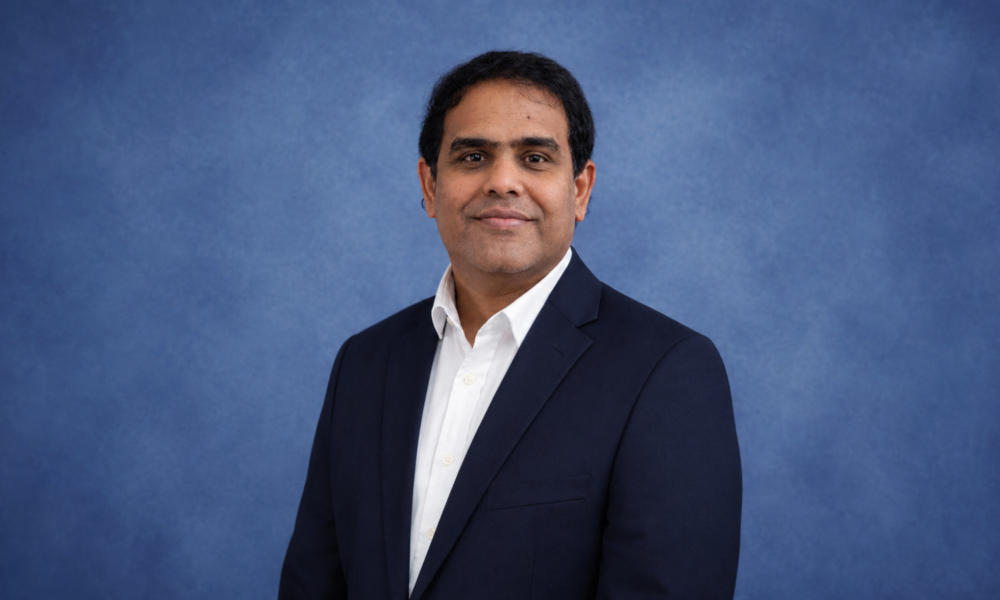
Sebastian Stute, CEO of Smartmakers, believes AI will become deeply integrated into technical audio operations over the next five years:
“The biggest value of AI inside post-production is operational intelligence rather than creative replacement. AI can monitor thousands of small technical variables simultaneously, helping teams avoid workflow breakdowns that humans may overlook under tight deadlines. The creative decisions still belong to experienced engineers, but automation dramatically improves production reliability.”
This hybrid approach allows creative professionals to maintain artistic authority while benefiting from intelligent technical assistance.
Automation Is Improving Audio Quality Control
One often overlooked advantage of automation is improved quality assurance. Large productions involve hundreds of technical checks before final delivery, including loudness compliance, stem integrity, codec specifications, naming structures, and synchronization validation.
Manual QC processes are time-consuming and vulnerable to oversight errors, particularly when teams face compressed delivery schedules.
Automated systems now perform real-time quality checks during editing and mixing stages rather than waiting until final review. These systems can identify missing channels, incorrect routing, phase issues, inconsistent metadata, and loudness violations automatically.
Broadcast networks and streaming platforms increasingly favor vendors that implement automated QC workflows because they reduce delivery complications and improve operational consistency.
As content production volume continues expanding globally, automated quality control will likely become a baseline industry requirement rather than a competitive advantage.
The Economic Impact on Production Studios
Workflow automation is also reshaping the business economics of post-production. Studios operating with efficient automated pipelines can manage higher project volumes without proportionally increasing staffing costs.
Smaller boutique facilities now compete more effectively with larger studios because automation allows leaner teams to deliver complex projects at professional scale.
At the same time, automation is changing hiring priorities. Production companies increasingly value engineers who understand both creative sound work and operational workflow optimization.
Technical adaptability is becoming just as important as artistic skill.
Studios are increasingly investing in workflow architects alongside traditional engineering talent. These specialists focus on designing scalable production ecosystems that integrate automation, collaboration, and asset management seamlessly.
This operational mindset reflects the growing industrialization of entertainment production as streaming demand continues expanding worldwide.
The Human Element Still Matters
Despite rapid technological advancement, automation is not replacing the creative instincts that define exceptional film and television audio. Emotional storytelling through sound remains deeply human.
Great audio professionals understand pacing, tension, atmosphere, silence, rhythm, and emotional nuance in ways machines cannot fully replicate. Automation simply removes operational friction that distracts from those creative decisions.
The future of Pro Tools workflow automation is therefore not about eliminating human expertise. It is about empowering creative professionals with smarter infrastructure that allows them to work faster, collaborate better, and maintain higher consistency across increasingly demanding productions.
Studios that successfully balance intelligent automation with strong creative leadership will likely define the next era of entertainment audio production.
As streaming competition intensifies and global content demand grows, workflow automation will continue evolving from a technical convenience into a core pillar of modern film and television production strategy.