Autorijden is een dagelijks onderdeel van ons leven, maar weet je eigenlijk wat er allemaal gebeurt tijdens je ritten? Steeds meer bedrijven en particulieren ontdekken de voordelen van geavanceerde voertuigmonitoring. Een slimme oplossing hiervoor is een systeem dat je rijgedrag registreert en analyseert.
Deze technologie biedt niet alleen inzicht in je rijstijl, maar draagt ook bij aan een veiligere rijervaring. In deze blog ontdek je waarom deze technologie zo waardevol is en hoe het je kan helpen om bewuster en veiliger te rijden.
Wat is een blackbox voor je auto?
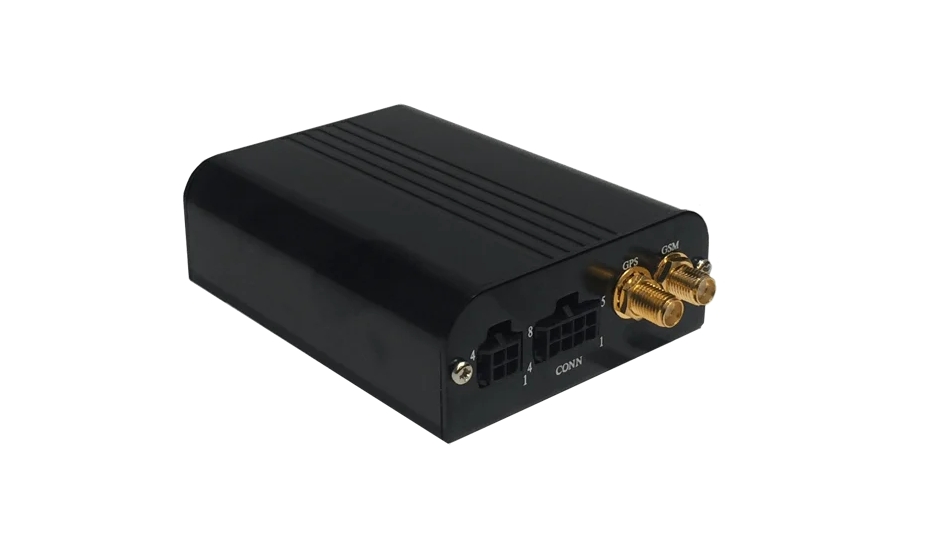
Een blackbox voor je auto is een slim apparaatje dat belangrijke rijgegevens verzamelt. Het registreert je rijgedrag, routes en voertuigprestaties. Dit kleine maar krachtige hulpmiddel wordt steeds populairder bij zowel bedrijven als particulieren.
Het principe is eenvoudig: het apparaat wordt in je auto geïnstalleerd en verzamelt continu data tijdens het rijden. Deze gegevens geven je waardevolle inzichten in je rijgedrag en kunnen je helpen om veiliger en zuiniger te rijden. Een blackbox auto is eigenlijk een soort digitale coach die altijd met je meerijdt.
Voordelen voor je rijveiligheid
De belangrijkste reden om voor deze technologie te kiezen is de verbetering van je rijveiligheid. Het systeem houdt namelijk verschillende rijparameters bij die direct invloed hebben op hoe veilig je rijdt.
Je krijgt inzicht in je rijsnelheid, remgedrag, bochtenwerk en meer. Doordat je precies kunt zien waar en wanneer je bijvoorbeeld te hard rijdt of abrupt remt, kun je je rijstijl aanpassen. Veel gebruikers merken dat ze door deze bewustwording automatisch veiliger gaan rijden.
Concrete verbeteringen in rijgedrag
Na het installeren van een blackbox systeem zien veel bestuurders een merkbare verbetering in hun rijgedrag. Ze worden zich bewust van patronen waar ze eerder geen weet van hadden. Sommige systemen geven je zelfs directe feedback tijdens het rijden, waardoor je meteen kunt bijsturen.
Het systeem kan bijvoorbeeld detecteren wanneer je te hard door een bocht gaat of wanneer je te abrupt remt. Door deze feedback leer je geleidelijk een veiligere rijstijl aan. Dit leidt uiteindelijk tot minder ongevallen en een betere rijervaring voor iedereen op de weg.
Kostenbesparing door efficiënter rijden
Naast veiligheidsvoordelen biedt een blackbox ook financiële voordelen. Door inzicht te krijgen in je rijgedrag, kun je namelijk ook veel zuiniger gaan rijden. Het systeem laat zien wanneer je onnodig veel brandstof verbruikt door bijvoorbeeld te hard optrekken of onnodig stationair te draaien.
Voor bedrijven met een wagenpark kunnen deze besparingen aanzienlijk oplopen. Een vloot die efficiënter rijdt, bespaart niet alleen op brandstof maar ook op onderhoud en reparaties. De investering in een blackbox verdien je daardoor vaak snel terug.
Lagere verzekeringspremies mogelijk
Een interessante ontwikkeling is dat sommige verzekeraars korting geven op de premie als je een blackbox in je auto hebt. Ze zien dat bestuurders met deze systemen gemiddeld veiliger rijden en minder schade veroorzaken. Dit kan vooral voor jonge bestuurders een flinke besparing opleveren.
Deze zogenaamde ‘pay how you drive’ verzekeringen worden steeds populairder. Je betaalt dan precies voor je eigen rijgedrag, in plaats van het gemiddelde van je leeftijdsgroep. Goed rijden wordt dus letterlijk beloond.
Uitgebreide fleetmanagement mogelijkheden
Voor bedrijven biedt RouteVision veel meer dan alleen een blackbox. Het complete fleetmanagement systeem geeft bedrijven volledige controle over hun wagenpark. Van realtime locatietracking tot gedetailleerde ritrapporten, alles is mogelijk.
Je kunt zien waar je voertuigen zijn, welke routes ze hebben afgelegd en hoe ze hebben gereden. Dit helpt bij het optimaliseren van routes en het verbeteren van de efficiëntie. Ook is het mogelijk om automatisch rijuren bij te houden en rapportages te maken voor administratieve doeleinden.
Gebruiksgemak en installatie
Een veel gehoorde zorg is dat de installatie en het gebruik van een blackbox ingewikkeld zou zijn. Dit is echter niet het geval. De meeste moderne systemen zijn eenvoudig te installeren en te gebruiken. De data is gemakkelijk te bekijken via een gebruiksvriendelijke app of online dashboard.
Na de installatie werkt het systeem volledig automatisch. Je hoeft niets in te stellen of aan te zetten. Het begint met registreren zodra je gaat rijden en stopt wanneer je de motor uitzet. De verzamelde gegevens worden veilig opgeslagen en zijn alleen toegankelijk voor geautoriseerde gebruikers.
Veelgestelde vragen
Is een blackbox hetzelfde als een track and trace systeem?
Nee, een blackbox biedt meer functionaliteit dan alleen locatietracking. Naast het bijhouden van waar je rijdt, registreert een blackbox ook hoe je rijdt, inclusief snelheid, acceleratie, remgedrag en bochtenwerk.
Is mijn privacy gewaarborgd met een blackbox?
Ja, je privacy is goed beschermd. De gegevens worden veilig opgeslagen en zijn alleen toegankelijk voor geautoriseerde gebruikers. Bij gebruik in een zakelijke omgeving worden duidelijke afspraken gemaakt over wie toegang heeft tot welke gegevens.
Kan een blackbox in elke auto worden geïnstalleerd?
De meeste blackbox systemen kunnen in vrijwel alle automodellen worden geïnstalleerd, ongeacht het bouwjaar of merk. Het is een universeel systeem dat eenvoudig kan worden aangesloten op de elektronica van je auto.
Wil je meer weten over hoe een blackbox jouw rijervaring kan verbeteren? Neem dan contact op met de experts van RouteVision. Ze helpen je graag met persoonlijk advies en een oplossing die perfect past bij jouw situatie.