
Meet Kumar Avizeet: Transforming Healthcare Through AI and Innovation

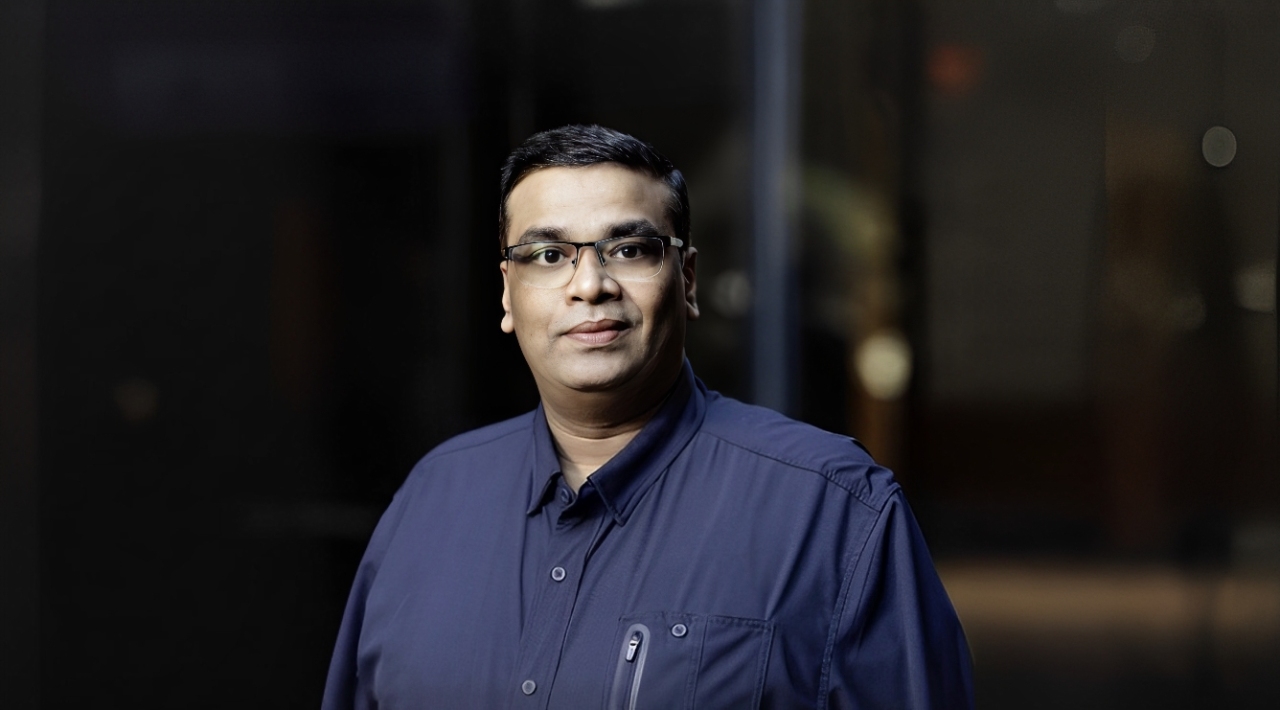
In the fast-evolving world of technology, where Artificial Intelligence (AI) and emerging innovations are reshaping industries, Kumar Avizeet stands as a visionary leader. With a strong background in AI, cybersecurity, cloud computing, and robotics, he is making a significant impact in the healthcare sector by developing cutting-edge software solutions. He has transformed the field of artificial intelligence, setting unparalleled standards in machine learning models, conversational AI, generative AI and inspiring future generations with his pioneering innovations. His unwavering commitment to creativity and progress distinguishes him in the industry from others. As a thought leader, author, and AI innovator, Kumar seeks to leave a lasting, positive impact through his work, while carving out a unique niche. His contributions to AI stand as a testament to his visionary approach and exceptional excellence.
A Journey Rooted in Technology and Learning
Kumar Avizeet is a Senior Manager Software Engineering at Optum Services Inc., where he plays a crucial role in developing advanced healthcare technology solutions for next generation. His academic journey includes a Bachelor’s and Master’s degree in Computer Science from India, and he is currently pursuing a Master of Science in Management of Technology (MS-MOT) at the University of Minnesota.
His passion for AI and emerging technologies has been the driving force behind his success. With over 18 years of experience in the technology industry, he has led groundbreaking projects that improve healthcare services, making them more efficient and accessible for people worldwide.
Achievements and Recognitions
Kumar’s dedication and expertise have earned him numerous accolades. Throughout his career, Kumar has been repeatedly awarded for his technical excellence, innovative thinking, and exceptional leadership. Last year he has named a Senior Member of the Institute of Electrical and Electronics Engineers (IEEE), a prestigious recognition for professionals who have made significant contributions to their fields. He has also been invited to judge international innovation awards, including the Big Innovation Awards and the Globee Awards.
Beyond these achievements, Kumar has published multiple technical, research and review articles in renowned journals such as AI Advances, Generative AI, Chemik International, and Level Up Coding. His insights into AI and healthcare technology have been featured in the University of Minnesota (UMN) newsletter and IEEE Region 4 (R4) newsletter in 2024.
Innovation in Healthcare Technology
Kumar Avizeet’s mission is to integrate AI and emerging technology into healthcare, aiming to improve patient care, streamline hospital operations, enhance health outcomes, and ensure robust data security to protect patient information and other sensitive information. His expertise in AI, robotics, automation, and cybersecurity allows him to create solutions that address real-world challenges in the healthcare industry.
One of his most notable contributions is his research on Large Language Models (LLMs) and Conversational AI, which he presented at the International Real-Time Communications (RTC) Conference, Chicago. His study explores how AI-powered communication tools can revolutionize healthcare interactions, improving efficiency and patient experience. Another noteworthy accomplishment is his leadership in research on AI-driven platforms for data analytics, visualization and reporting capabilities for healthcare providers. This research serves as the foundation for a next generation modernized platform, exemplifying his innovative drive and expertise in delivering insightful solutions.
Overcoming Challenges and Leading with Vision
The fast-paced advancements in technology pose continuous challenges, but Kumar embraces them with a commitment to learning and adaptation. Leading a diverse team of professionals, he believes in collaboration, inclusivity, and fostering innovation to create impactful solutions.
His leadership extends beyond the workplace, as he actively mentors young technology enthusiasts. He contributes to the community by judging and mentoring in events like the First Tech Challenge (FTC) Championship, High Tech Kids and the FTC State Championship in Minnesota, helping to shape the next generation of engineers and innovators.
The Road Ahead: A Vision for the Future
Looking ahead, Kumar Avizeet envisions a future where AI-driven solutions continue to revolutionize healthcare and all other sectors solving real world problem and global challenges. His goal is to develop more advanced AI tools and platforms that make healthcare more accessible, personalized, and efficient. He also plans to expand his thought leadership by continuing to publish research and share his knowledge through speaking engagements.
His unwavering commitment to technological advancements and his vision for a better, AI-powered and secured healthcare system make him a true pioneer in the industry. As he continues to push boundaries, his journey serves as an inspiration to aspiring technologists, AI innovators and industry leaders alike.
To connect with Kumar Avizeet and follow his work, visit his LinkedIn profile: Kumar Avizeet.





Comment