Healthcare is no longer just about hospitals, doctors, and treatments. In 2026, it is evolving into a connected, intelligent ecosystem where technology, data, and patient experience come together to redefine how care is delivered. The shift is clear. Patients no longer want reactive treatment. They expect proactive, personalized, and seamless healthcare journeys.
This transformation is being driven by rapid advancements in artificial intelligence, wearable technology, digital platforms, and integrated care models. What was once fragmented is now becoming connected, efficient, and patient-focused.
The Move From Reactive to Predictive Healthcare
Traditionally, healthcare systems were built to respond to illness. Patients visited doctors after symptoms appeared, and treatment followed diagnosis. Today, the focus is shifting toward prediction and prevention.
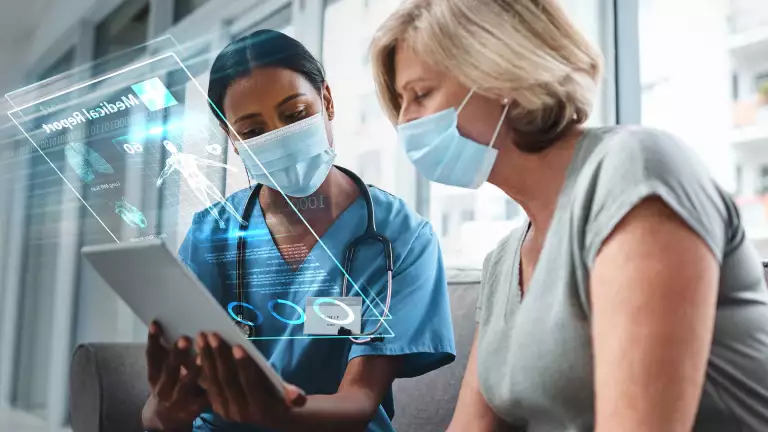
AI-driven analytics can now assess risk factors and identify potential health issues before they become serious. Wearable devices track vital signs continuously, providing real-time data that helps detect abnormalities early.
This approach is changing the entire healthcare model. Instead of waiting for problems to occur, patients and doctors can act in advance, improving outcomes and reducing long-term costs.
Personalized Care Is Becoming the Standard
No two patients are the same, and healthcare is finally adapting to this reality. Personalized medicine uses data from genetics, lifestyle, and medical history to create tailored treatment plans.
In 2026, this level of customization is becoming more accessible. Doctors can recommend treatments that are specifically suited to an individual’s condition, reducing trial and error.
This not only improves effectiveness but also enhances patient confidence. When care feels tailored, patients are more likely to follow through with treatment plans.
The Rise of Accessible Healthcare Hubs
Accessibility has become a key focus area. Patients prefer healthcare options that are convenient and close to their homes, especially for routine consultations and follow-ups.
This has led to the growth of smaller, well-equipped centers that provide multiple services under one roof. A Polyclinic represents this shift, offering consultations across various specialties along with basic diagnostics and preventive care.
These centers reduce the burden on larger hospitals and make healthcare more approachable for everyday needs.
Advanced Hospitals Are Becoming High-Tech Command Centers
While smaller centers handle routine care, advanced facilities are evolving into highly specialized hubs equipped with cutting-edge technology. These institutions are designed to manage complex conditions, surgeries, and critical care.
A Multispeciality Hospital in 2026 is no longer just a treatment facility. It functions as a command center where different departments collaborate using shared data and advanced tools. From robotic surgeries to AI-assisted diagnostics, these hospitals are setting new standards in precision and efficiency.
This dual system of localized care and advanced hospital support is creating a more balanced healthcare ecosystem.
Digital Health Is Redefining Patient Experience
The patient journey has become more streamlined with digital health platforms. Appointment scheduling, medical records, prescriptions, and follow-ups are now managed through integrated systems.
Telemedicine has also become a regular part of healthcare. Patients can consult doctors remotely, saving time and improving accessibility, especially in urban environments where travel can be a challenge.
This digital integration ensures continuity of care, making it easier for patients to stay connected with their healthcare providers.
AI and Automation Are Enhancing Clinical Decision-Making
Artificial intelligence is playing a major role in modern healthcare. It assists doctors in diagnosing conditions, analyzing medical images, and predicting treatment outcomes.
Automation is also improving efficiency in hospitals. Routine tasks such as data entry and scheduling are being handled by intelligent systems, allowing healthcare professionals to focus more on patient care.
These advancements are not replacing doctors but enhancing their capabilities, leading to better and faster decision-making.
Preventive Health Is Becoming a Lifestyle Choice
Healthcare is no longer limited to clinics and hospitals. It is becoming a part of everyday life. People are actively monitoring their health, tracking fitness, and making lifestyle changes to prevent disease.
Wellness programs, fitness apps, and nutrition tracking tools are helping individuals take control of their health. This proactive approach is reducing the incidence of chronic diseases and improving overall well-being.
Healthcare providers are also encouraging this shift by offering preventive care programs and regular health check-ups.
The Integration of Mental and Physical Health
Another significant advancement is the recognition of mental health as an integral part of overall well-being. In 2026, healthcare systems are addressing both physical and emotional aspects of health.
Patients are receiving support for stress, anxiety, and other mental health concerns alongside physical treatment. This holistic approach is improving patient outcomes and quality of life.
The integration of mental health services into mainstream healthcare is a major step forward.
Challenges in the Evolving Healthcare Landscape
Despite these advancements, challenges remain. Access to advanced healthcare is still uneven, and the cost of technology can be a barrier.
There is also a need for better data security as digital systems become more widespread. Ensuring patient privacy while maintaining efficient data sharing is a critical concern.
Healthcare systems must continue to adapt to address these issues while maintaining quality and accessibility.
The Future of Healthcare: Connected and Patient-Centric
The future of healthcare lies in integration. Systems will continue to evolve toward models that connect patients, doctors, and technology seamlessly.
We can expect further advancements in AI, robotics, and personalized medicine. Healthcare will become more predictive, efficient, and tailored to individual needs.
This transformation is not just improving treatment outcomes but also redefining how people experience healthcare.
Conclusion
Healthcare in 2026 is undergoing a profound transformation. The shift from reactive treatment to proactive, personalized care is changing how patients interact with the system.
With the integration of technology, accessible care hubs, and advanced hospital infrastructure, healthcare is becoming more efficient and patient-focused. This new model offers better outcomes, improved experiences, and a stronger focus on overall well-being.
As these trends continue to evolve, they are setting the stage for a future where healthcare is not just about treating illness but about maintaining health and enhancing quality of life.
Read More From Techbullion