Embrace Natural Living: The Benefits of Going Organic with Your Scents

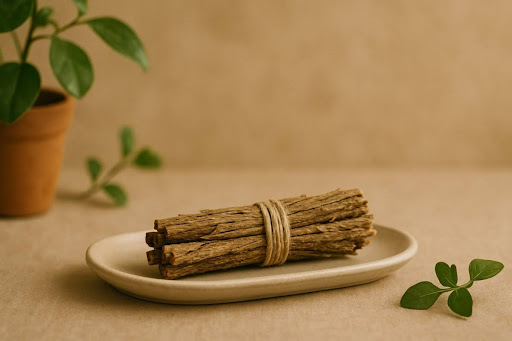
Many people today are looking for ways to live more sustainably and reduce exposure to potentially harmful chemicals. Incense is no exception. Shifting to organic varieties can transform a basic aromatic routine into a holistic practice that benefits both your well-being and the environment. Below is a closer look at why organic incense matters and how Seraphim Incense exemplifies this commitment to clean, earth-friendly production.
Why Choose Organic Incense
Traditional incense often relies on synthetic fragrances, chemical binders, or artificial coloring. When burned, these additives may release irritants into the air, potentially triggering allergies or respiratory issues – especially for those sensitive to chemical smoke. In contrast, organic incense is typically crafted from plant-based materials such as herbs, resins, and essential oils. This leads to a cleaner burn and more authentic, nuanced scent profiles. By opting for organic incense, you reduce the likelihood of inhaling unwanted toxins while enjoying a purer, more calming fragrance.
Environmental Responsibility
Organic ingredients aren’t just about protecting personal health; they also help preserve the planet. Organically sourced materials are grown or harvested using methods that minimize harm to local ecosystems and wildlife. Less reliance on chemical fertilizers or pesticides means fewer pollutants in the soil and waterways. Additionally, ethical harvesting of resins such as frankincense and myrrh often involves sustainable farming or reforestation initiatives, supporting biodiversity and the long-term availability of these precious resources.
Understanding Labels and Claims
Terms like “organic” and “all-natural” can be confusing because labeling standards vary by region. While they can guide you toward less chemically laden incense, it’s wise to look for additional assurance. Checking a brand’s website for specifics – such as how materials are grown or harvested – offers greater clarity. Certain companies may display recognized certifications like USDA Organic, but if these aren’t present, seeking transparent ingredient lists or references to “organically harvested” sources is often a good way to verify authenticity. The more detail a brand provides, the easier it is to gauge whether its incense genuinely aligns with organic principles.
Exploring Natural Fragrance Options
Organic incense comes in an array of plant-derived scents. Frankincense and myrrh have long been treasured for their warm, resinous aroma, while palo santo offers a sweet, woody note that many find spiritually uplifting. Sage is a popular choice for cleansing rituals, and lavender or rose can lend a floral undertone to a space. Each of these ingredients typically burns with less synthetic residue, ensuring a cleaner experience that respects both personal preference and environmental balance.
Introducing Seraphim Incense
Seraphim Incense stands out as a brand that exemplifies natural and sustainable values, drawing on plant-based materials that avoid harsh chemicals. The company highlights its sustainably farmed frankincense and myrrh resin from the Middle East (the holy land) – suggesting a commitment to responsible harvesting methods. The emphasis on sustainable farming points toward ethical practices that benefit both local ecosystems and the communities involved. Learn more at Seraphim-Incense.com.
Practical Tips for Using Organic Incense
To get the most out of an organic incense experience, store sticks or resins in a cool, dry place. Before lighting, open a window or ensure the area is well-ventilated to keep smoke from lingering excessively. Consider setting a simple intention – like calmness or mental clarity – so the scent can support a meaningful atmosphere. When you’re done, extinguish the incense completely to maintain safety and preserve the aroma’s freshness for next time.
Final Thoughts
Embracing organic scents is a small yet impactful way to support personal health and environmental stewardship. By transitioning away from synthetic products and exploring incense crafted from carefully harvested herbs and resins, you create a deeper, more thoughtful connection with the aromas that fill your space. Whether you’re meditating, unwinding after a long day, or simply setting a peaceful tone at home, choosing incense from brands such as Seraphim Incense, can amplify the benefits of natural living. Their focus on sustainability and purity underscores an approach that honors both traditional practices and modern ecological awareness.
Disclaimer: This article is for informational purposes and does not replace professional advice. Always practice proper ventilation and fire safety when burning incense.