
What to Do After a Truck Accident in Bismarck

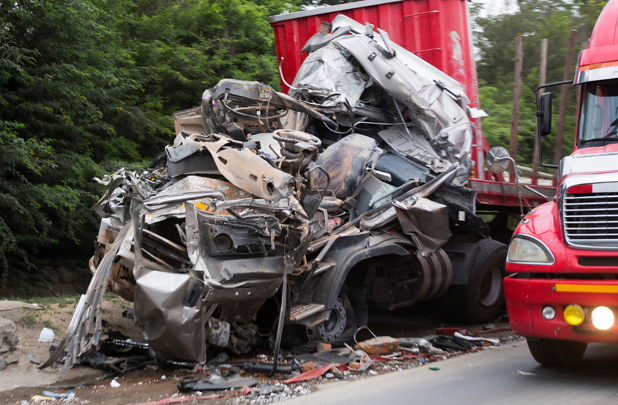
A truck accident can be far more serious than a typical car crash. Because commercial trucks are much larger and heavier than passenger vehicles, collisions can lead to severe injuries, major vehicle damage, and complicated insurance issues. For people in Bismarck and throughout North Dakota, knowing what to do after a truck accident can help protect your health, your records, and your ability to make informed decisions later.
The moments after a crash are stressful, but the steps you take can matter. From getting medical care to preserving evidence, each action can help create a clearer picture of what happened.
Get Medical Help Right Away
Your health should always come first. After a truck accident, call emergency services if anyone is injured or if the crash is serious. Even if you feel stable at the scene, it is still wise to get checked by a medical professional.
Some injuries do not appear immediately. Adrenaline can mask pain, and conditions such as whiplash, internal injuries, concussions, back injuries, and soft tissue damage may become more noticeable hours or days later.
Medical care is important for two reasons. First, it helps you begin proper treatment. Second, it creates a record of your injuries and connects them to the accident. This documentation may become important if you need to deal with an insurance company or pursue a claim.
Report the Accident
Truck accidents should be reported to law enforcement. A police report can document important details, including the location of the crash, the people involved, road conditions, witness information, and any initial observations about fault.
When speaking with police, stay calm and stick to the facts. Avoid guessing about what happened or admitting fault. Truck accidents can involve many factors, and the full cause may not be clear at the scene.
Move to Safety If Possible
If the vehicles are creating a hazard and it is safe to move, try to get out of traffic. Turn on hazard lights and wait for help in a safe location. However, if anyone is seriously injured or moving the vehicle could be dangerous, wait for emergency responders.
Truck accident scenes can be especially risky because of traffic, spilled cargo, fuel leaks, or damaged vehicle parts. Safety should always come before gathering evidence.
Collect Information at the Scene
If you are physically able and it is safe, gather basic information before leaving the scene. Evidence can disappear quickly, and important details may be harder to confirm later.
Helpful information may include:
- Photos of all vehicles involved
- Photos of the truck, trailer, license plates, and company markings
- Damage to your vehicle
- Skid marks, debris, traffic signs, and road conditions
- Weather and lighting conditions
- Names and contact information for witnesses
- The truck driver’s name, employer, license information, and insurance details
- The police report number, if available
You do not need to investigate the crash yourself. However, simple documentation can help preserve facts that may become important later.
Be Careful With Insurance Conversations
After a truck accident, you may hear from more than one insurance company. There may be an insurer for the truck driver, the trucking company, the trailer, the cargo, or another party involved in the crash.
Insurance adjusters may ask for a recorded statement or try to settle the claim quickly. Be careful before giving detailed statements or accepting an early offer. At the beginning, you may not yet know the full extent of your injuries, medical needs, lost income, or long-term limitations.
A quick settlement may not reflect the real cost of the accident. Once you accept a settlement, you usually cannot ask for more later, even if your injuries become worse.
Understand Why Truck Accident Claims Can Be Complex
Truck accident cases can involve more parties and more evidence than a standard car accident. Depending on the circumstances, responsibility may involve the truck driver, trucking company, maintenance provider, cargo loading company, vehicle manufacturer, or another negligent driver.
Important evidence may include:
- Driver logs
- Vehicle inspection records
- Maintenance history
- Dashcam or surveillance footage
- Electronic control module data
- Company safety policies
- Cargo loading records
- Driver training and qualification records
Some of this evidence may be controlled by the trucking company or other businesses. That is one reason injured people often benefit from getting guidance early, especially when the crash caused serious harm.
Do Not Rely Only on Visible Damage
Truck accidents can cause injuries that are not always obvious from the outside. A vehicle may look repairable while the people inside have significant injuries. Similarly, a person may appear fine at the scene but experience worsening symptoms later.
Pay attention to symptoms such as headaches, dizziness, numbness, neck pain, back pain, confusion, abdominal pain, or difficulty sleeping. Follow medical advice and keep records of all treatment, appointments, prescriptions, and follow-up care.
Keep Detailed Records
After the accident, organize every document related to the crash and your recovery. These records can help show how the accident affected your health, finances, and daily life.
Keep copies of:
- Medical bills
- Treatment plans
- Prescription receipts
- Physical therapy records
- Lost wage information
- Vehicle repair estimates
- Rental car receipts
- Insurance letters
- Photos of injuries
- Notes about pain, limitations, and daily challenges
A written record can be helpful because it is easy to forget details during a stressful recovery.
Know When to Speak With a Lawyer
Not every crash requires legal action, but truck accident claims often involve high stakes. If you were seriously injured, fault is disputed, the trucking company is involved, or the insurance company is pressuring you to settle, it may be useful to speak with a legal professional.
An experienced attorney can help review the facts, explain your options, communicate with insurers, and identify evidence that may be important to the claim. For someone injured in a commercial vehicle crash in North Dakota, speaking with a Bismarck truck accident lawyer can help clarify what steps may be available after the accident.
Lowe Law Group is one firm that works with injured people and families after serious accidents, including truck crashes. In a situation where medical bills, insurance questions, and liability issues overlap, having informed guidance can make the process easier to understand.
Avoid Posting About the Accident Online
It is best to avoid discussing the accident on social media. Photos, comments, check-ins, or casual updates may be misunderstood or taken out of context. Even a simple post about feeling better can be used by an insurance company to question the seriousness of your injuries.
Until the claim is resolved, keep details private and avoid posting about your health, activities, or the crash itself.
Final Thoughts
A truck accident in Bismarck can create serious physical, financial, and legal challenges. The best first steps are to get medical attention, report the crash, gather information when safe, and be cautious when speaking with insurance companies.
Truck accident claims can become complicated quickly, especially when commercial carriers, multiple insurers, and detailed records are involved. Taking the right steps early can help protect your position and give you more confidence as you move forward.






Comment