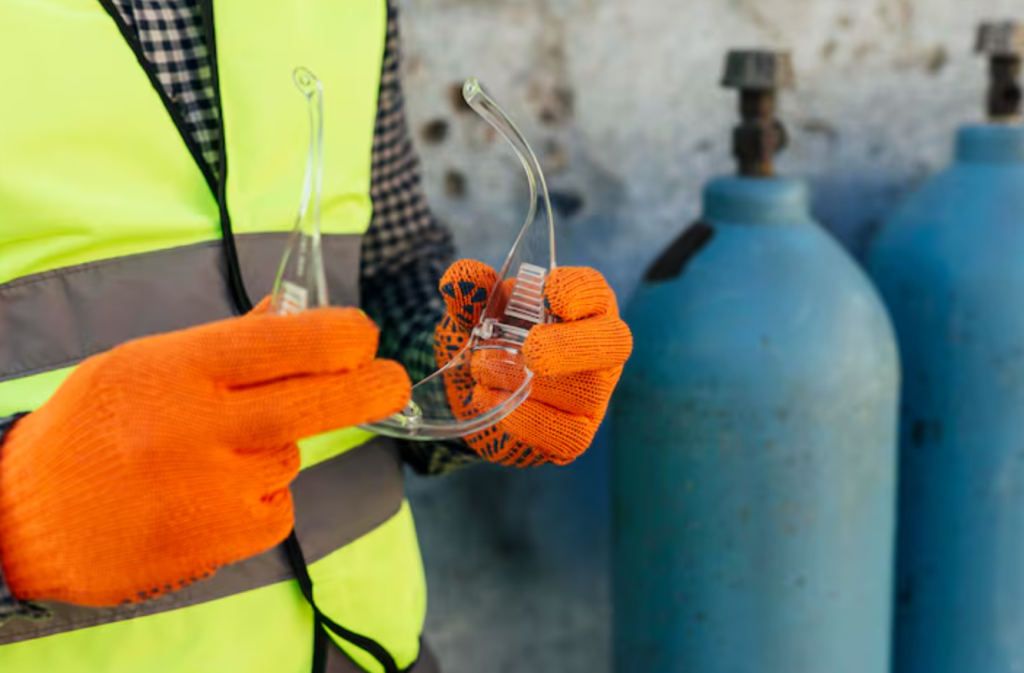
Propane plays a vital role in countless industrial operations, providing a dependable source of energy for manufacturing, warehousing, agriculture, construction, food processing, and logistics. Its high energy density, portability, and clean-burning characteristics make it an attractive fuel for applications where electricity or natural gas may not be practical. However, because propane is a flammable liquefied gas, its storage, handling, and delivery require careful planning and strict adherence to safety procedures.
Controlled propane delivery has become an essential component of modern industrial energy management. Rather than relying solely on manual fuel monitoring and replacement schedules, facilities increasingly implement systems that maintain consistent fuel supply while reducing operational risks. These practices help organizations comply with safety regulations, minimize equipment downtime, and improve workplace conditions.
International safety organizations, engineering standards, and occupational health authorities consistently emphasize that proper fuel management is one of the most effective ways to reduce industrial incidents. By integrating controlled delivery methods with preventive maintenance and employee training, businesses can significantly enhance the safety of propane-powered operations.
Understanding Controlled Propane Delivery
Controlled propane delivery refers to the systematic monitoring, scheduling, and management of propane supplies to ensure that fuel remains available at appropriate levels without creating unnecessary risks.
Instead of waiting until tanks are nearly empty or relying on irregular refill schedules, facilities monitor consumption patterns and coordinate deliveries based on actual demand. This approach reduces the likelihood of emergency refueling, rushed handling procedures, and operational interruptions.
A controlled delivery strategy typically includes:
- Regular monitoring of propane inventory
- Scheduled inspections of storage systems
- Preventive maintenance
- Leak detection procedures
- Pressure management
- Safe transfer practices
- Emergency response planning
These measures work together to create a predictable and stable fuel management process.
Reducing Human Error
Human error remains one of the leading causes of industrial accidents. Many incidents involving fuel systems occur not because equipment fails, but because procedures are skipped, inspections are incomplete, or fuel shortages force workers into hurried decisions.
Controlled propane delivery reduces these risks by introducing standardized operating procedures. Workers spend less time making last-minute arrangements for fuel replenishment and more time following established safety protocols.
Predictable delivery schedules also reduce unnecessary interaction with storage tanks. Fewer manual interventions mean fewer opportunities for incorrect valve operation, improper hose connections, or accidental damage during refilling.
Automation in monitoring systems further assists personnel by providing accurate information about fuel levels and consumption trends, helping maintenance teams make informed decisions.
Maintaining Stable Fuel Pressure
Industrial equipment often requires consistent propane pressure for efficient and safe operation. Pressure fluctuations may reduce combustion efficiency, increase emissions, or affect production quality.
Controlled delivery helps maintain appropriate storage levels, preventing situations where tanks become excessively depleted. Stable fuel inventory contributes to more consistent vaporization rates and improved pressure regulation.
Reliable pressure management benefits numerous industrial applications, including:
Manufacturing Equipment
Industrial burners, ovens, furnaces, and heating systems operate more efficiently when supplied with stable fuel pressure. Consistency improves product quality while reducing mechanical stress on combustion equipment.
Material Handling
Many warehouses use propane-powered forklifts because they provide reliable performance with fast refueling. Controlled propane management ensures uninterrupted fleet operations while reducing unexpected fuel shortages during busy shifts.
Construction Operations
Construction sites frequently depend on propane for temporary heating, concrete curing, roofing equipment, and portable generators. Planned fuel delivery minimizes disruptions while supporting safe equipment operation.
Improving Leak Prevention
Leak prevention begins long before propane reaches industrial equipment. Proper storage, routine inspections, and controlled transfer procedures greatly reduce the probability of accidental releases.
Facilities implementing controlled propane delivery often establish regular inspection schedules for:
Storage Tanks
Routine visual inspections identify corrosion, physical damage, excessive wear, or environmental conditions that may affect tank integrity.
Valves and Regulators
Pressure regulators and shutoff valves require periodic evaluation to verify proper operation. Damaged components should be replaced promptly according to manufacturer recommendations and applicable safety standards.
Hoses and Connections
Flexible hoses experience wear over time through repeated use and environmental exposure. Scheduled inspections help identify cracks, abrasion, or deteriorating seals before leaks develop.
Early identification of equipment issues prevents small problems from becoming major safety hazards.
Supporting Regulatory Compliance
Industrial propane systems are subject to numerous national and international regulations governing storage, transportation, fire protection, and workplace safety.
Organizations such as the National Fire Protection Association (NFPA), the Occupational Safety and Health Administration (OSHA), and the International Organization for Standardization (ISO) provide guidance on safe fuel handling practices. Compliance requires documented procedures, equipment maintenance, employee training, and regular inspections.
Controlled propane delivery supports compliance by creating documented maintenance records and consistent operating procedures. Scheduled inspections become easier to track, while maintenance activities are less likely to be overlooked.
Facilities with structured fuel management systems are generally better prepared for regulatory audits and internal safety reviews.
Enhancing Emergency Preparedness
Emergency preparedness is a fundamental aspect of industrial safety. Even well-maintained systems require contingency planning for unexpected events.
Controlled propane delivery contributes to emergency readiness by reducing uncertainty regarding fuel inventory and system conditions.
Emergency plans should include:
Isolation Procedures
Employees should understand how to safely isolate propane supplies if abnormal conditions occur. Clearly labeled shutoff valves improve response speed during emergencies.
Evacuation Plans
Facilities should establish evacuation routes that account for propane storage locations and potential hazard zones.
Communication Protocols
Clear communication procedures ensure that maintenance teams, supervisors, and emergency responders receive timely information during incidents.
Routine emergency drills reinforce these procedures and improve organizational readiness.
Reducing Equipment Downtime
Unexpected fuel shortages can halt production, interrupt logistics, and delay critical industrial processes. Emergency deliveries may also introduce additional handling risks because workers operate under time pressure.
Controlled delivery minimizes these situations by maintaining adequate propane reserves based on actual consumption patterns.
Production managers benefit from greater operational predictability, allowing maintenance activities and fuel replenishment to be coordinated without disrupting manufacturing schedules.
Reliable energy availability also supports preventive maintenance by eliminating unnecessary stress on combustion equipment caused by inconsistent fuel supply.
Integrating Monitoring Technologies
Modern industrial facilities increasingly use digital monitoring technologies to improve fuel management.
Sensors can continuously monitor:
- Tank levels
- Pressure
- Temperature
- Consumption trends
- System performance
These technologies provide maintenance teams with valuable information that supports proactive decision-making.
For example, if monitoring data indicates an unusual increase in propane consumption, maintenance personnel can investigate potential leaks, equipment malfunctions, or operational inefficiencies before they become significant problems.
Some industrial operators also incorporate propan automat solutions into broader energy management strategies to improve inventory visibility and scheduling efficiency while maintaining established safety procedures.
Although technology enhances monitoring capabilities, it complements rather than replaces regular inspections and employee oversight.
Training Employees for Safe Operations
Technology alone cannot guarantee industrial safety. Employee knowledge remains one of the most important protective measures.
Training programs should cover:
Safe Propane Characteristics
Workers should understand propane’s physical properties, including its flammability, vapor behavior, storage conditions, and odorization for leak detection.
Equipment Operation
Personnel responsible for propane-powered equipment must receive instruction on proper startup, shutdown, refueling, and inspection procedures.
Hazard Recognition
Employees should be able to recognize warning signs such as unusual odors, damaged fittings, frost accumulation, abnormal pressure readings, or unexpected equipment behavior.
Emergency Response
Training should include practical exercises covering evacuation procedures, emergency communication, and appropriate actions following suspected propane leaks.
Regular refresher courses help maintain safety awareness as procedures evolve.
Environmental Factors and Storage Safety
Industrial propane storage systems must account for changing environmental conditions throughout the year.
Temperature fluctuations influence internal tank pressure, making proper pressure relief devices essential for safe operation.
Storage areas should remain well ventilated and protected from unnecessary vehicle traffic or mechanical impacts. Clear access routes allow inspection personnel and emergency responders to reach tanks quickly if required.
Good housekeeping practices also contribute to safety by preventing combustible materials from accumulating near propane storage installations.
Routine site inspections help identify environmental changes that may affect long-term storage conditions.
Building a Comprehensive Safety Culture
Controlled propane delivery is most effective when integrated into a broader organizational safety culture.
Management commitment, employee participation, preventive maintenance, and continuous improvement all contribute to safer industrial environments.
Organizations that encourage workers to report equipment concerns, participate in safety meetings, and follow standardized procedures typically experience fewer operational incidents.
Regular reviews of fuel consumption, maintenance records, inspection findings, and near-miss reports provide valuable opportunities to strengthen safety practices over time.
Rather than treating propane management as an isolated activity, successful facilities incorporate it into overall risk management strategies that address people, equipment, infrastructure, and operational planning.
Conclusion
Controlled propane delivery represents far more than a convenient method of maintaining fuel supplies. It is an important component of industrial safety that reduces human error, supports regulatory compliance, improves leak prevention, enhances emergency preparedness, and promotes reliable equipment operation.
By combining structured delivery schedules with preventive maintenance, employee training, continuous monitoring, and comprehensive safety planning, industrial facilities can significantly reduce operational risks while maintaining productivity. As industries continue adopting smarter energy management practices, controlled propane delivery will remain an essential strategy for creating safer, more efficient, and more resilient workplaces.