Most dogs do not announce joint pain with obvious limping or crying. Joint deterioration is a gradual process, and dogs are instinctively wired to mask discomfort. By the time most pet parents notice something is wrong, the underlying joint damage has often been building for months or years. Recognizing the subtle early warning signs changes the outcome significantly. Joint supplements work best when started before cartilage loss becomes severe, not after mobility is already compromised.
WagWell formulates joint support with that early intervention window in mind. This guide covers the five behavioral and physical signs that indicate your dog may benefit from joint supplementation, and what the clinical research says about why acting early matters.
Why the Timing of Joint Support Matters
Starting joint supplements at the first sign of trouble produces meaningfully better outcomes than waiting for a confirmed diagnosis. Cartilage tissue cannot regenerate once it is lost. The goal of nutritional joint support is to preserve what exists rather than rebuild what is already gone.
According to Cornell University’s Riney Canine Health Center, glucosamine, chondroitin, and omega-3 fatty acids provide protective benefits that are most effective when cartilage is still largely intact. Waiting until a dog is visibly lame before starting supplementation means working with significantly less cartilage to protect. Early signs deserve early action, even when a dog is still functionally mobile.
Sign 1: Stiffness After Rest
A dog who struggles to rise after sleeping or lying down is showing one of the most consistent early indicators of joint involvement. The stiffness typically improves after a few minutes of movement. That pattern matters. It reflects reduced synovial fluid distribution in the joint during inactivity, followed by gradual lubrication as movement resumes.
Pet parents often dismiss this as normal aging. It is common in older dogs, but common does not mean inevitable or untreatable. Morning stiffness that takes more than a minute or two to resolve warrants a conversation with your veterinarian and a closer look at nutritional joint support.
Sign 2: Reluctance to Jump, Climb, or Play
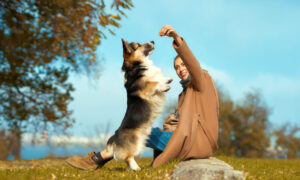
A dog who previously leaped onto the sofa without hesitation and now stands at the base looking up is communicating something through that hesitation. Dogs do not avoid enjoyable activities without reason. Reluctance to jump, climb stairs, or engage in play they previously loved signals that those movements have become associated with discomfort.
A peer-reviewed study published by the National Institutes of Health evaluating behavioral markers of pain and lameness in dogs with osteoarthritis found that activity avoidance precedes visible lameness in a significant proportion of cases. Dogs modify behavior before they stop walking normally. That behavioral shift is the earlier and more actionable signal.
Sign 3: Slowing Down on Walks
A dog who used to pull on the leash and now lags behind, asks to turn home early, or stops engaging with smells and surroundings mid-walk may be managing joint discomfort rather than simply losing interest. Exercise intolerance in a dog who was previously enthusiastic about walks is worth taking seriously.
This sign is easy to rationalize. Owners attribute it to heat, mood, or normal aging. Sometimes those explanations are accurate. But when the pattern is consistent across multiple walks over several weeks, and particularly when it is accompanied by any other signs on this list, joint involvement becomes a realistic explanation worth investigating.
Sign 4: Visible Changes in Posture or Gait
Subtle postural compensations develop long before a dog develops an obvious limp. Watch for weight shifting, a rounded topline, a tucked abdomen, or an uneven gait where one leg lands differently than the others. Dogs redistribute load away from painful joints instinctively. That redistribution creates secondary stress on compensating muscles and joints over time.
A clinical evaluation published in PMC on nutraceuticals in canine osteoarthritis management identified measurable gait changes as one of the earliest objective markers of joint disease, often detectable before owners report behavioral changes at home. Watching your dog walk away from you on a flat surface occasionally gives you useful information that a stationary examination does not.
Sign 5: Increased Irritability or Sensitivity to Touch
A normally patient dog who snaps or growls when touched around the hips, lower back, or legs is often communicating pain rather than aggression. Touch sensitivity in areas associated with joint involvement deserves a careful, non-punitive response. The dog is not being difficult. They are telling you something hurts.
Behavioral changes including reduced tolerance for interaction, less interest in being petted, and uncharacteristic grumpiness around other pets or children can all reflect underlying chronic discomfort. Pain changes temperament over time because it affects sleep quality, stress hormone levels, and overall wellbeing. Addressing the pain source addresses the behavioral change.
What to Do When You Spot These Signs
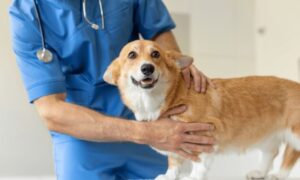
None of these signs replace a veterinary examination. A proper orthopedic assessment, and in some cases imaging, distinguishes joint disease from other causes of similar symptoms like muscle injuries, neurological conditions, or lyme disease-related joint inflammation. Getting an accurate diagnosis directs treatment appropriately.
Once joint involvement is confirmed or strongly suspected, a multimodal approach produces the best outcomes. Weight management reduces mechanical joint stress. Exercise modification preserves cartilage nutrition without causing flare episodes. Targeted supplementation provides the compounds that joint tissue needs to maintain itself.
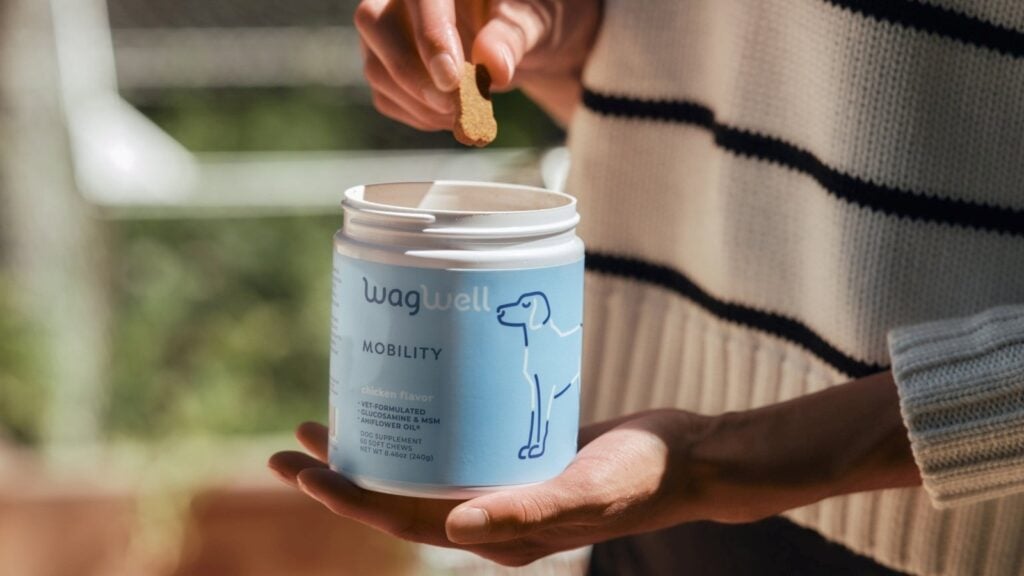
Mobility chews built around glucosamine HCL, chondroitin sulfate, OptiMSM, and Ahiflower omega fatty acids address the core mechanisms of joint breakdown. Glucosamine and chondroitin support cartilage matrix integrity. OptiMSM provides methylsulfonylmethane, a sulfur compound that supports connective tissue and reduces inflammation. Curcuvet adds bioavailable turmeric for complementary anti-inflammatory pathway support.
Omega-3 fatty acids deserve special mention as a joint supplement companion ingredient. Cornell University’s clinical guidance specifically identifies EPA and DHA as essential additions to chondroprotective supplementation because they reduce the inflammatory cytokine activity that drives cartilage breakdown. Omega oil for dogs formulated with plant-based Ahiflower delivers a complete omega 3, 6, and 9 profile without the digestive side effects that make fish oil difficult to sustain long-term.
The earlier you respond to these signs, the more cartilage there is to protect and the more meaningful the outcome from supplementation. Explore dog natural supplements that combine joint-protective compounds with broader anti-inflammatory support, because joint health in aging dogs is a whole-body challenge rather than a single-joint problem.