
How I Lock Down My Money and Digital Identity Using Identity Guard

A few months ago, a friend of mine went through a complete nightmare. Someone snagged his personal details in a data breach, opened two store credit cards in his name, and ran up thousands of dollars in charges. He didn’t even realize what happened until his credit score took a massive dip. Watching him spend weeks on the phone with credit bureaus and fraud departments was a huge wake-up call for me.
I realized I wasn’t doing nearly enough to monitor my own financial health. I signed up for Identity Guard, one of the longest-running protection services on the market—to automate my digital security and keep an eye on my personal info.
Here is how relying on a dedicated service like Identity Guard helps keep your identity and money safe, along with the everyday habits you should combine with it.
Why Basic Password Safety Isn’t Enough Anymore
Most of us think identity theft only happens when a physical wallet gets stolen. In reality, modern identity thieves rely on large-scale corporate data leaks, automated dark web tools, and sneaky phishing links to grab your data.
They don’t just target your existing credit cards. Criminals use stolen Social Security numbers and birthdates to open brand-new lines of credit, hijack retirement accounts, or even attempt home title fraud.
Once your data ends up on underground forums, trying to monitor everything yourself becomes an impossible full-time job.
How Identity Guard Protects Your Financial Footprint
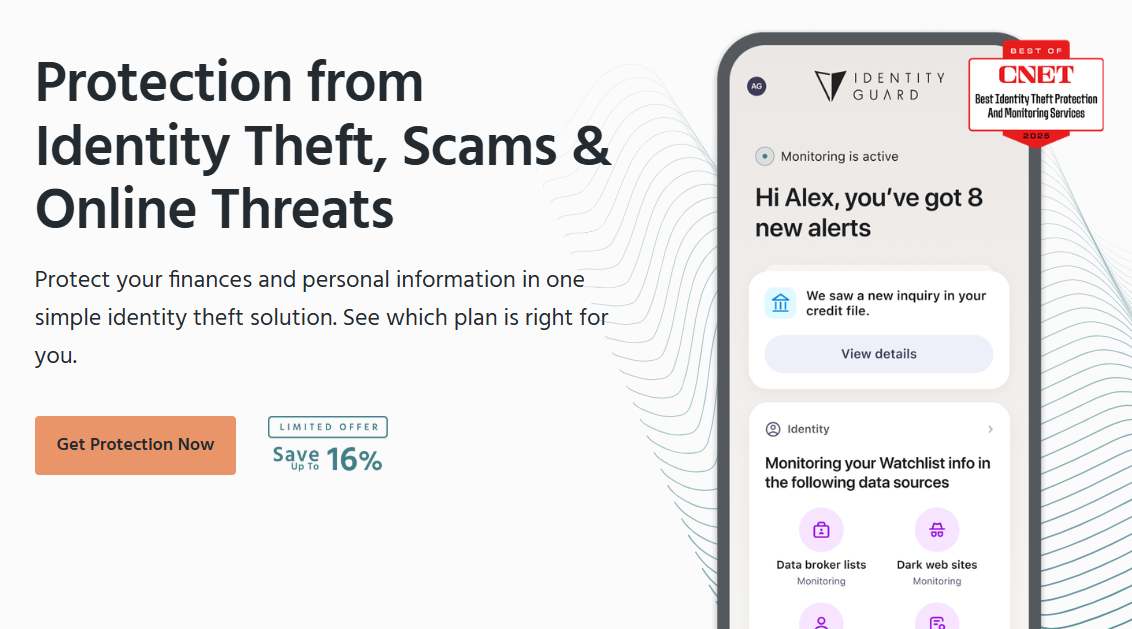
Identity Guard acts as an early-warning system that runs continuously in the background, using threat detection tools to monitor your sensitive data:
- Dark Web Surveillance: Identity Guard scans underground forums, encrypted chat rooms, and black-market sites for your Social Security number, email addresses, driver’s license, and bank account details. If your data shows up in a breach, you get an alert right away so you can change your passwords.
- Three-Bureau Credit Tracking: Depending on your plan tier (such as the Total or Ultra plans), Identity Guard monitors your credit profiles across Experian, Equifax, and TransUnion. You receive instant notifications if someone attempts to open a new credit card, take out a personal loan, or make a hard inquiry in your name.
- High-Risk Financial & Asset Alerts: For deeper account protection, higher-tier plans track unauthorized changes to bank accounts, investment portfolios, 401(k) accounts, and even home titles.
- Insurance and Recovery Support: Every Identity Guard plan includes up to $1 million in identity theft insurance to cover eligible out-of-pocket losses and legal fees if your identity is stolen. More importantly, you get access to US-based fraud resolution specialists who step in to help restore your accounts.
 Simple Security Habits to Pair with Identity Guard
While a service like Identity Guard gives you strong proactive monitoring and insurance, pairing it with smart digital hygiene makes you nearly impossible to target:
- Freeze Your Credit Files: Place a free credit freeze directly with Equifax, Experian, and TransUnion. This prevents anyone from opening new accounts in your name—even if they somehow obtain your SSN.
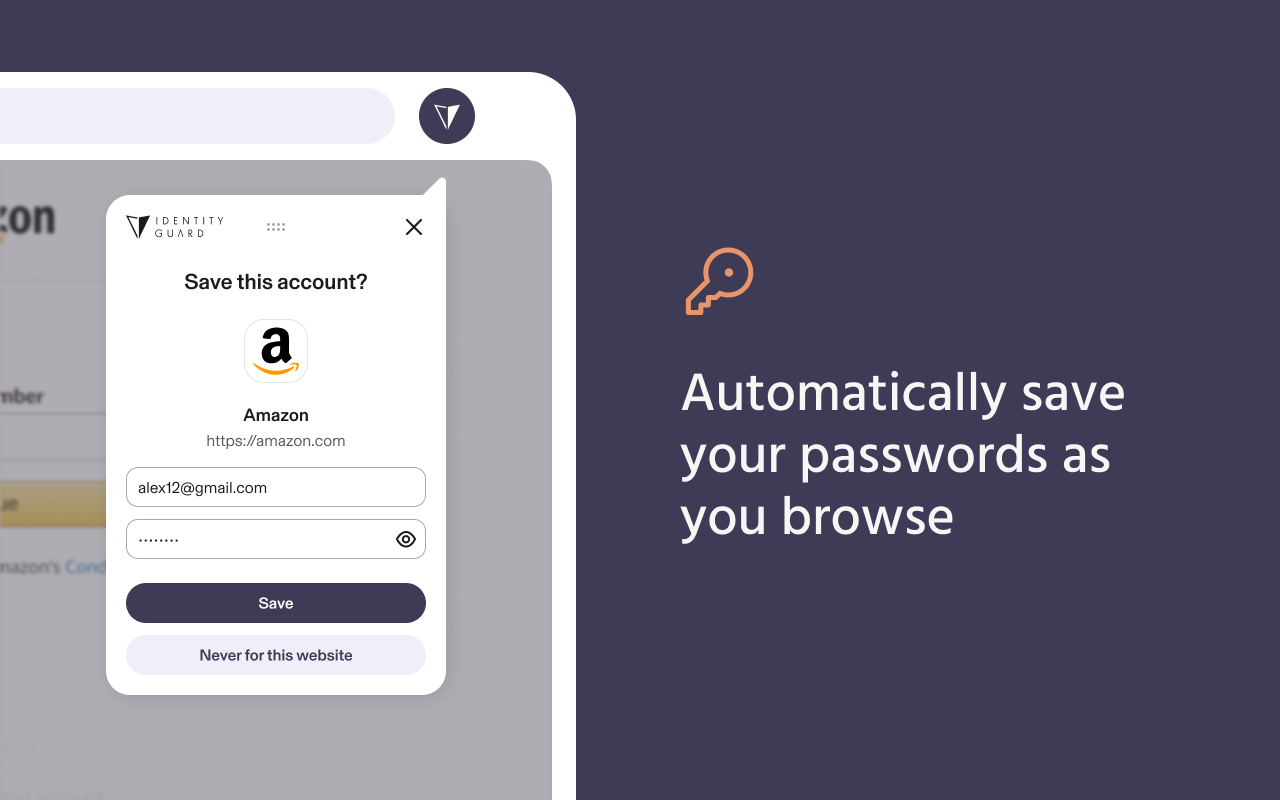
- Use Unique Passwords: Never reuse a password across multiple sites. Use Identity Guard’s included password manager or another secure vault to generate unique, complex passwords for every account.
- Switch to Authenticator Apps: Turn on two-factor authentication (2FA) for all banking and primary email logins. Opt for app-based authenticators like Google Authenticator or Bitwarden instead of SMS text codes, which can be intercepted via SIM-swapping attacks.
- Verify Outbound Calls and Texts: If you receive an urgent text or call claiming your bank account is locked, never click the link or give out a passcode. Hang up and dial the official customer service number on the back of your debit or credit card.
Taking control of your digital security isn’t about living in constant fear. Putting solid monitoring tools like Identity Guard in place gives you total peace of mind so you can focus on enjoying your life.







Comment