
Your Gaming Name Is the Only Thing You Own

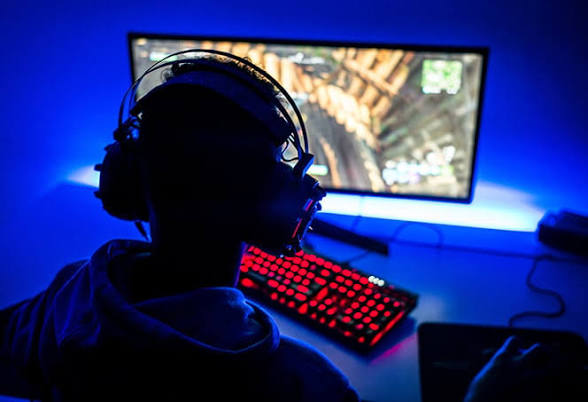
.Your Gaming Name Is the Only Thing You Truly Own
Think about it for a second.
Your rank changes. Your KD ratio goes up and down. Your clan might break up. Your favorite weapon gets nerfed in the next patch. The meta shifts. The map rotates. Everything about your game is temporary.
The one thing that stays is your name.
It’s the first thing anyone sees in the lobby. It shows up on kill feeds. It’s what people remember after the match ends. It’s your signature.
And most players don’t give it more than five seconds of thought.
Why Names Matter More Than Rank
There’s a weird thing that happens in gaming lobbies. Before a match even starts, players size each other up based on names.
A clean name with a stylish symbol reads as someone who’s been around. A jumbled mess of random characters reads as someone who either just started or doesn’t care. Neither is necessarily true. But that’s the impression.
This is why experienced players obsess over their tags. They know the name is working for them or against them every single match.
In Free Fire, where lobbies fill with 50 players at a time, your name is the only thing that stands out in that sea of usernames. In PUBG and BGMI, where matches are long and kill notifications are public, your name gets seen by everyone you eliminate.
It’s free branding. And most people waste it.
The Symbol Shift
Something changed in gaming over the last few years. Plain names stopped being enough.
Walk into any Free Fire lobby and you’ll see it. Ornamental brackets. Wings. Crowns. Lightning bolts. Tiny details that turn a standard name into something that looks designed.
The same thing happened in PUBG and BGMI. Players started adding symbols to make their names pop. Not just for looks. For identity.
A symbol at the start of a name reads differently than one at the end. Brackets that frame a name create a sense of structure. Icons like skulls or crowns carry meaning. Even small aesthetic details change how a name lands.
This isn’t vanity. It’s how gaming culture works now. Your name is your visual identity, and symbols are how you build it.
If you’re building a name in Free Fire, there’s a solid collection of free fire name symbols that covers the styles people actually use. Brackets, wings, crowns, and clean icons that work in the game. Worth checking if you want something that looks intentional.
Same goes for battle royale players. If you’re on PUBG or BGMI, there’s a full set of pubg bgmi symbols that works for both games. The characters are tested, so you don’t have to deal with boxes showing up instead of symbols.
The Mistake Most Players Make
The default move is to pile on symbols. Add ten characters. Fill the name with everything that looks cool.
This rarely works.
A name that’s cluttered is hard to read. Nobody remembers it. It doesn’t stand out. It just looks like noise.
The best names follow a simple pattern. One symbol at the start. The name in the middle. One symbol at the end. Clean, readable, and memorable.
Think about the names you actually remember from matches. They’re almost never the chaotic ones. They’re the ones with structure. Names that look like someone thought about them.
What Symbols Actually Communicate
Different symbols carry different energy.
Brackets like 【 】 or 『 』 frame a name. They make it look organized. Good for clan tags and competitive players.
Wings and ornamental shapes like ꧁ ꧂ or ༺ ༻ give a name a premium feel. Popular with players who want their name to look high-effort.
Crowns and skulls signal confidence or aggression. They work well for players who play aggressively and want their name to match.
Lightning, stars, and sparks add energy without being heavy. They’re a safe pick if you want a name that pops without looking aggressive.
The trick is matching the symbol to how you play. A player who camps quietly doesn’t need a skull icon. A player who rushes every fight doesn’t need a soft aesthetic symbol.
Your name should feel like you. Otherwise it’s just decoration.
The Practical Side
Most symbols work the same way. You copy them. You paste them into the game’s name field. Done.
The problem is finding ones that actually work. Some symbols get blocked. Some show up as boxes on certain devices. Some look fine on Android and break on iOS.
That’s why collections that test symbols matter. A working set saves you from trial and error. You pick a symbol, paste it, and know it’ll display properly.
For Free Fire, the character limit is tight. You get 12 characters. Every symbol you add takes up space. So you have to be selective. Two symbols maximum. Sometimes just one, placed well.
PUBG and BGMI give you slightly more room. Around 14 characters. Enough for a short name with two symbols framing it.
Test your name after you set it. Open a match. See how it looks on the kill feed. If it reads well, keep it. If it looks cluttered, trim it.
The Identity Angle
Here’s the thing most players don’t think about. Your name is a long-term asset.
You’ll keep it across seasons. Across game updates. Across friend groups. It becomes part of how people know you.
That’s why it’s worth spending ten minutes getting it right. Not just picking the first thing that looks cool. Actually thinking about how you want to show up.
A name that’s clean, memorable, and carries the right symbols does something subtle. It makes people take you seriously before they see you play. It builds recognition. It makes your presence in a lobby feel intentional.
That’s not a small thing.
The Short Version
Your name is the only part of your gaming identity that stays consistent. Rank changes. Meta changes. Your name doesn’t.
Symbols are how you make it yours. They’re not decoration. They’re communication.
Keep it simple. One or two symbols. Readable. Matches your play style.
Find a source you trust for the symbols. Test them in-game. Adjust until it feels right.
Then leave it alone. Let it become your signature.




Comment