
Why Vehicle Details Matter Before the Search Begins

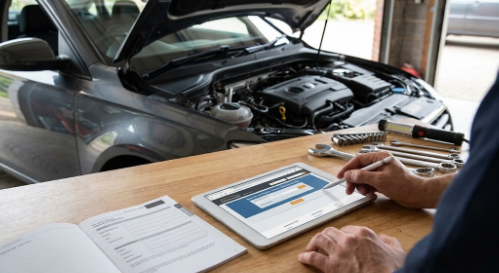
Buying replacement parts online becomes much easier when you know exactly which vehicle you are working with before you start searching. A part may look correct, carry a familiar description and even appear suitable for your make and model, yet still differ because of the vehicle’s production year, engine, transmission or specific variant. Confirming these details first helps you narrow your search, compare suitable options and reduce the risk of ordering something that will not fit or function as intended.
Vehicle Details Narrow Down Compatible Parts
Most automotive components are designed for particular vehicle configurations rather than every version of a model. Your make and model provide a useful starting point, but the build year, engine size, fuel type and variant can all influence part compatibility.
When you shop automotive parts online with Rolan Australia or browse other automotive retailers, having these details ready allows you to filter out products intended for different vehicle specifications. This makes your search more focused from the beginning instead of relying on product names or appearances alone.
Model Years Can Have Different Components
Vehicle manufacturers often update models during their production life. Even when the model name remains unchanged, a newer version may receive different brakes, suspension components, sensors, filters or electrical systems.
Knowing your exact model year therefore matters when checking fitment, which refers to whether a particular component is designed to suit your vehicle. You should also be aware that registration year and manufacturing year are not always identical, especially for vehicles that were built late in one year but first registered in the next.
Engine Variants Affect Part Selection
The same vehicle model can be sold with several engines, and each engine may require different components. Oil filters, spark plugs, belts, cooling parts and engine management sensors can vary according to displacement, fuel type or engine code.
Checking the engine information before you search helps you avoid assuming that every part listed for your model will be interchangeable. For some components, the engine code can provide a more precise identifier than engine capacity alone, particularly where several engines have similar specifications.
Correct Details Reduce Returns and Delays
Ordering an incompatible part can create more than a minor inconvenience. You may need to organise a return, wait for a replacement and delay repairs or maintenance while the correct component is sourced.
Confirming vehicle specifications before searching reduces unnecessary trial and error. It also makes it easier to compare product descriptions and identify discrepancies before placing an order. This is particularly valuable when you need a vehicle back on the road quickly or are arranging installation through a workshop.
VIN Information Can Resolve Uncertainty
Your Vehicle Identification Number, commonly known as the VIN, is a unique identifier assigned to your vehicle. It contains information that can help distinguish between vehicles that may otherwise appear almost identical.
You may not need your VIN for every purchase, but it becomes useful when model years, trim levels or production changes make compatibility unclear. Checking your vehicle documentation or identification plate can give you another reference point before selecting more specialised components.
Accurate Searches Help You Compare Parts Properly
Once you have narrowed your search to compatible components, you can make more meaningful comparisons between brands, specifications and price points. Without accurate vehicle information, you may spend time comparing products that were never suitable in the first place.
You can also check whether you need an OEM specification component, an aftermarket alternative or a part designed for a particular performance requirement. Starting with compatibility allows these later decisions to be based on relevant choices rather than a broad and potentially misleading search.
Start With the Vehicle, Not the Part
The most effective online parts search begins with confirming what is actually fitted to your vehicle. Your model, production year, engine, variant and, where necessary, VIN can all affect which components are suitable. By checking those details before browsing, you can narrow the available options, assess compatibility more confidently and reduce the likelihood of delays caused by ordering the wrong part.







Comment