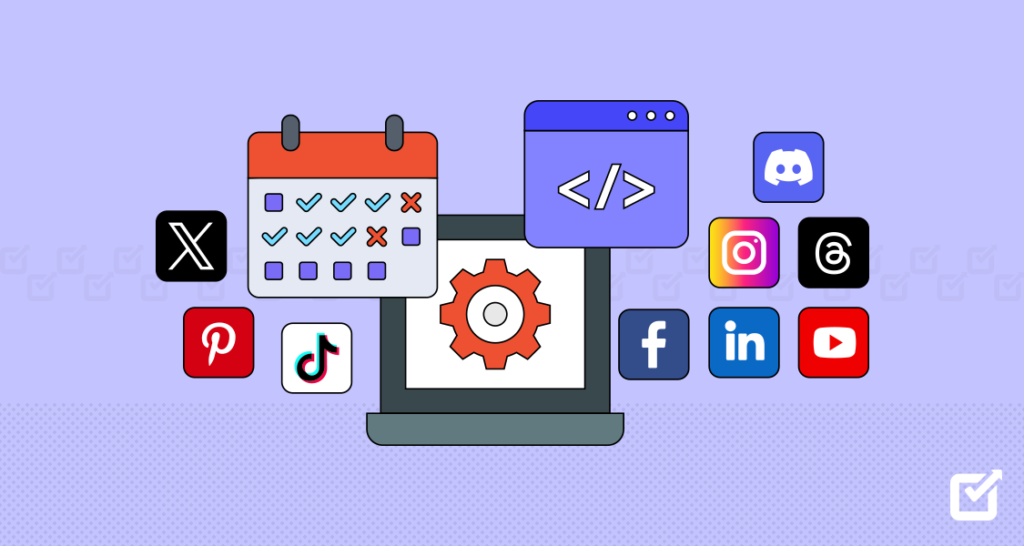
Managing multiple social media platforms has become one of the biggest challenges facing businesses today. With platforms like Instagram, TikTok, LinkedIn, and emerging networks like Threads and Bluesky demanding consistent content, the manual approach to social media management is no longer sustainable. Modern social media scheduling tools have revolutionized how businesses manage their online presence, offering solutions that go far beyond simple post scheduling.
The digital landscape has evolved dramatically, and businesses that fail to maintain consistent social media engagement risk losing visibility and customer connection. The right social media scheduling tools can save teams up to 10 hours per week while improving content quality and engagement rates. This efficiency gain translates directly into better ROI and more strategic use of marketing resources.
How Social Media Marketing Tools Benefit Different User Types
The beauty of today’s social media marketing tools lies in their ability to serve diverse user needs. For marketers working on complex campaigns, these platforms offer advanced features like multi-level approval workflows and detailed analytics integration. Tools like Sprout Social and ContentStudio provide comprehensive campaign coordination capabilities, allowing marketing teams to track ROI across multiple channels while maintaining brand consistency.
Small business owners face different challenges entirely. They need cost-effective solutions that maximize their limited time and resources. Comprehensive social media marketing tools now integrate scheduling with analytics and CRM systems, enabling small businesses to compete with larger organizations. Platforms like Metricool offer drag-and-drop calendar interfaces with “Best Times to Post” heat maps, helping small business owners optimize their posting schedules without requiring deep social media expertise.
Social media managers, particularly those handling multiple clients or brands, benefit from advanced collaboration features. The best social scheduling tools provide team management capabilities, role-based permissions, and approval workflows that streamline complex organizational structures. These professionals can now manage dozens of accounts efficiently while maintaining quality control and brand voice consistency.
The Future of Social Media Scheduling: AI and Automation Trends
The evolution of social media scheduling is being driven by three major trends that are reshaping the industry. First, artificial intelligence is transforming content optimization. Advanced social media automation tools now include AI-powered content optimization that can predict optimal posting times based on audience behavior patterns and engagement history.
Second, platform integration has expanded dramatically. Modern scheduling tools support emerging platforms like Threads and Bluesky, ensuring businesses can maintain presence across the evolving social media landscape. This comprehensive platform support eliminates the need for multiple tools and reduces complexity for social media teams.
Third, analytics integration has become more sophisticated. Today’s social media marketing tools offer features that extend far beyond simple post scheduling, incorporating social listening, sentiment analysis, and predictive analytics. These capabilities enable businesses to make data-driven decisions about their social media strategy rather than relying on guesswork.
Smart social media automation tools can predict optimal posting times based on audience behavior, automatically adjust posting schedules based on performance data, and even suggest content improvements based on engagement patterns. This level of automation allows businesses to maintain consistent social media presence while focusing their human resources on strategy and creative development.
Looking Ahead: The Strategic Advantage
The businesses that will thrive in the coming years are those that recognize social media scheduling as a strategic advantage rather than a necessary chore. When evaluating the best social scheduling tools, consider platform support and pricing models, but also look for features that align with your long-term business goals.
The comprehensive analysis of 19 leading social scheduling platforms reveals that the most successful businesses are those that choose tools based on their specific workflow needs rather than simply selecting the most popular option. Whether you’re a solo entrepreneur or managing a large enterprise team, the right scheduling tool can transform your social media presence from reactive to strategic.
For a detailed comparison of the top social scheduling tools and their specific features, including pricing breakdowns and user testimonials, explore the complete analysis at Social Scheduling Tools: All-in-One Comparison.