
Why Smart Startups Are Choosing Cheap Custom T-Shirts Over Bulk Orders

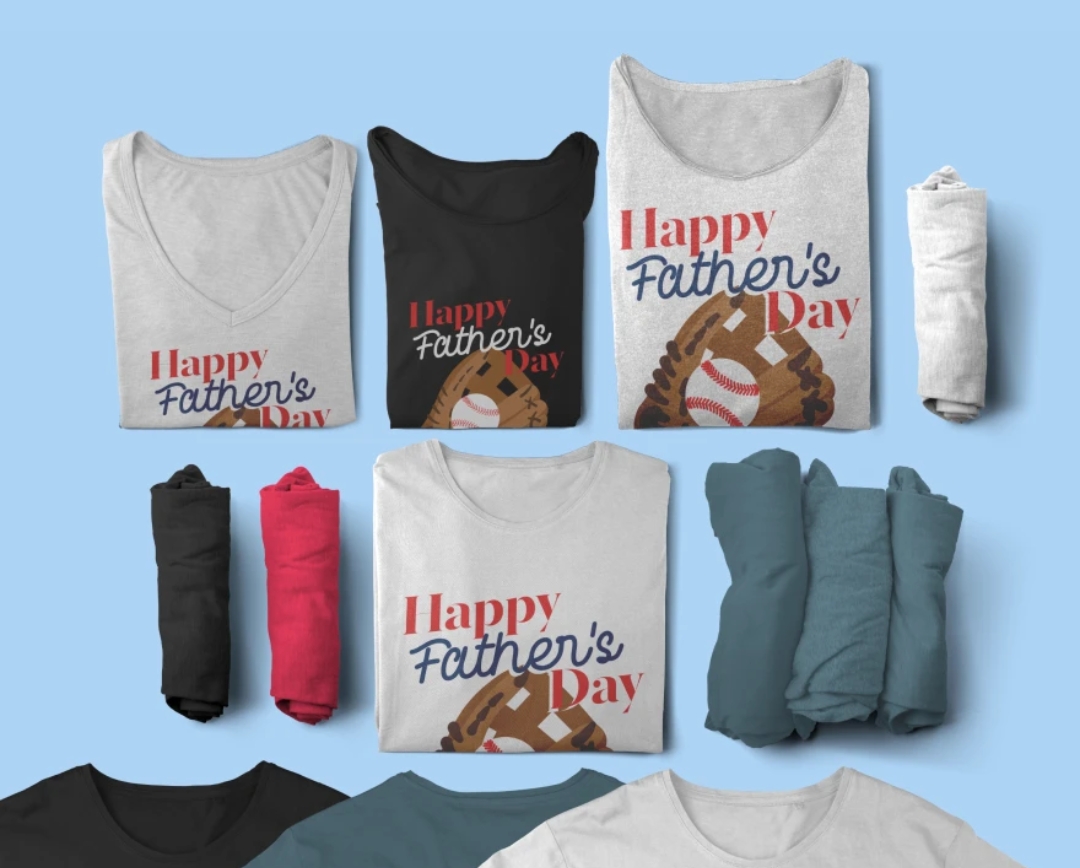
In today’s fast-paced startup ecosystem, every dollar matters. Entrepreneurs are constantly looking for ways to stretch their budgets while maintaining quality and brand presence. One strategy that forward-thinking startups are embracing is opting for cheap custom t shirts instead of committing to massive bulk orders that tie up capital and warehouse space. This shift represents a smarter approach to merchandise and promotional materials, one that aligns perfectly with the lean methodology that defines modern business thinking.
The traditional approach to branded merchandise involved placing enormous orders upfront, locking in lower per-unit costs but requiring significant upfront investment and storage capacity. Today’s startups are discovering that this model doesn’t serve their needs. Instead, they’re turning to flexible, smaller-scale custom apparel solutions that allow them to test designs, respond to market feedback, and maintain lean inventory levels. This article explores why this strategy is gaining momentum and how startups can leverage it to their advantage.
The Rise of Flexible Merchandise Strategies
The startup landscape has changed dramatically over the past decade. Companies that once relied on massive marketing campaigns and bulk merchandise orders are now embracing agility and data-driven decision-making. This evolution extends to how startups approach branded apparel.
Understanding the Old Model
Traditional bulk ordering has long been the standard for companies wanting branded merchandise. You’d design a t-shirt, commit to ordering five thousand units or more, and wait weeks for production and delivery. The appeal was straightforward: the more you ordered, the cheaper each unit became. This created pressure to order massive quantities to achieve the best possible per-piece pricing.
However, this model came with hidden costs. First, there was the capital requirement. For a startup with limited cash flow, committing ten to twenty thousand dollars to merchandise was a significant decision with real opportunity costs. That money could have gone toward hiring, technology, or marketing. Second, there was the inventory problem. Storing thousands of t-shirts required physical space, and if designs didn’t resonate with your audience, you’d be stuck with outdated inventory.
Third, there was the inflexibility. If you wanted to test different designs or messages, each experiment required another substantial order and wait time.
The Modern Alternative Takes Shape
Enter the new generation of custom apparel providers and print-on-demand services. These companies have fundamentally changed the mathematics of branded merchandise. They’ve made it possible to order small quantities at reasonable prices, eliminate inventory management, and test designs quickly without massive financial commitments.
This shift has opened doors for startups that previously couldn’t compete with established companies on the merchandise front. Now, a startup with a lean budget can create professional, branded t-shirts that rival what Fortune 500 companies produce. The key difference is flexibility and financial responsibility.
Why Startups Are Making the Switch
Several compelling reasons explain why smart startups are moving away from bulk orders and embracing more flexible approaches to custom apparel.
Cash Flow Preservation
For a startup, cash is king. Every dollar spent today is a dollar not available for tomorrow’s opportunities. When you commit to a five-thousand-unit order, you’re locking away significant capital. Even if the cost per shirt drops to five dollars with bulk pricing, that’s still twenty-five thousand dollars or more that could have been invested elsewhere.
Smaller orders with per-unit costs of eight to twelve dollars might seem more expensive on paper, but they require far less upfront investment. A startup can order two hundred custom t-shirts for under two thousand dollars, test market response, and make data-driven decisions about whether to scale up. This approach aligns with lean startup principles that emphasize testing hypotheses with minimal resources.
Testing and Iteration
Startups succeed through rapid experimentation. You test product features, marketing messages, and brand positioning constantly. Your branded merchandise should follow the same principle. Instead of committing to one design across thousands of units, you can create multiple versions, distribute them to different audience segments, and measure which resonates most.
Maybe your target audience responds better to minimalist designs than loud graphics. Perhaps a tagline that seemed clever in the conference room falls flat with actual customers. With flexible ordering, you learn these lessons quickly without wasting resources on thousands of ill-fitting shirts. You can iterate, improve, and refine your approach before scaling.
Inventory Management Simplified
Warehouse space is expensive, whether you’re renting a storage unit or dedicating square footage in your office. Thousands of t-shirts take up real estate. They attract dust, fade in sunlight, and create visual clutter. Beyond the physical space, there’s the mental burden of managing inventory, tracking expiration dates on promotional materials, and deciding what to do with outdated designs.
When you order smaller quantities, this problem evaporates. You order what you need, distribute it, and repeat. There’s no stockpile. There’s no inventory management headache. There’s no end-of-year reckoning with unsold merchandise.
Brand Consistency and Currency
Startups grow and evolve. Your brand identity today might not be your brand identity next year. Logo redesigns, tagline changes, and strategic pivots are part of the startup journey. Large bulk orders lock you into past versions of your brand.
With flexible ordering, you can update your merchandise whenever your brand evolves. You’re never stuck distributing t-shirts that no longer reflect who you are or what you stand for. This keeps your merchandise always relevant and on-brand.
The Financial Mathematics Behind the Strategy
Let’s examine the actual numbers to understand why this approach makes financial sense.
Comparing Cost Structures
A typical bulk order of five thousand units might cost three to four dollars per shirt at wholesale pricing, depending on quality and customization complexity. That totals fifteen to twenty thousand dollars upfront. However, there are often hidden costs. Shipping the order might add another thousand dollars. Storage and handling might add more. And if you only use two thousand of those shirts before your branding changes, you’ve essentially wasted money on the remaining three thousand.
In contrast, ordering five hundred units at eight dollars each costs four thousand dollars. There’s no warehouse needed. There’s no waste. If you order more after this batch sells, you can make refinements based on what you learned from distributing the first batch.
After five orders of five hundred units each, you’ve spent twenty thousand total dollars, the same as the initial bulk purchase. But along the way, you’ve tested designs, gathered feedback, and refined your approach. You’ve wasted nothing. You’ve learned everything.
Quality Considerations
There’s a persistent myth that ordering smaller quantities means compromised quality. This simply isn’t true with modern custom apparel providers. The difference between ordering one hundred shirts and one thousand shirts isn’t in the quality of the blank t-shirt or the printing process. Modern screen printing, embroidery, and direct-to-garment printing techniques produce consistent results regardless of order size.
What determines quality is the vendor you choose. A reputable provider will deliver excellent results whether you order fifty or five thousand units. The per-unit cost might be higher, but you’re paying for quality that matches what bulk orders receive.
Beyond Cost: Strategic Advantages
The financial benefits are compelling, but the strategic advantages run deeper.
Building Stronger Customer Relationships
When you order small quantities, you’re likely distributing merchandise to people who matter most to your startup. Your early customers, loyal users, team members, and engaged community members receive your branded apparel. This creates a powerful emotional connection. They feel valued because the merchandise feels exclusive and thoughtful rather than mass-produced.
Compare this to bulk orders, where companies often end up distributing merchandise to anyone available, sometimes even throwing away excess inventory. There’s no emotional connection in that approach. The recipient feels like they received promotional garbage rather than a valued token of appreciation.
Generating Authentic Word-of-Mouth
When your branded merchandise is selective and high-quality, people want to wear it. They become walking advertisements because they genuinely appreciate what they’re wearing. This generates authentic word-of-mouth marketing that outperforms traditional promotional merchandise.
Someone wearing a t-shirt they don’t really like is an invisible billboard. Someone wearing a t-shirt they love is a genuine brand advocate. Startups benefit enormously from this distinction.
Measuring Success Accurately
Large bulk orders make it nearly impossible to measure the actual value of your merchandise strategy. If you ordered five thousand shirts and gave away four thousand, what was the marketing value of that effort? You’ll never really know.
With smaller orders, you can track which designs generate the most positive responses, which distribution channels work best, and what actual impact your branded merchandise has on brand awareness and customer loyalty. This data informs better future decisions.
Making the Transition Work for Your Startup
If you’re considering moving away from bulk orders, here’s how to approach the transition thoughtfully.
Choose Your Partner Carefully
Not all custom apparel providers are created equal. Look for companies that specialize in small-batch work, have a track record of quality, offer reasonable turnaround times, and provide design support. The cheapest option isn’t always the best option if quality or service suffers.
Start with Small Orders
Don’t assume you know exactly what will work. Order your first batch conservatively. Get feedback from your team and early customers. Use those insights to refine your next order.
Build a Testing Schedule
Rather than random ordering, establish a regular schedule. Perhaps you order custom merchandise quarterly. This creates rhythm and allows you to plan around team building events, customer appreciation initiatives, or conference attendance.
Focus on Quality and Design
Since you’re ordering smaller quantities, you can afford to invest more in design and quality. Work with a designer to create something genuinely appealing. Choose quality blank t-shirts. The result will be merchandise people actually want to wear.
Conclusion
The shift from bulk merchandise orders to smaller, more flexible custom apparel strategies represents a maturation of startup thinking. It’s not about being cheap; it’s about being smart with resources and responsive to market feedback. Smart startups understand that in today’s environment, agility trumps scale. They recognize that smaller, well-targeted merchandise investments generate better returns than massive bulk orders that sit in warehouses gathering dust.
By choosing flexible, smaller-scale custom apparel, startups preserve cash flow, test ideas quickly, eliminate inventory headaches, and build stronger connections with their communities. They create merchandise that people genuinely want to wear rather than obligatory promotional items.
The days of the massive bulk merchandise order aren’t completely over, but they’re certainly numbered. The future belongs to startups that think strategically about how they use branded merchandise to build community, test ideas, and create authentic value. That future is already here, and it’s significantly more flexible, more responsive, and ultimately more effective than the bulk-ordering model that came before.







Comment