
Why Rapid Prototyping Is Driving Smarter Product Development

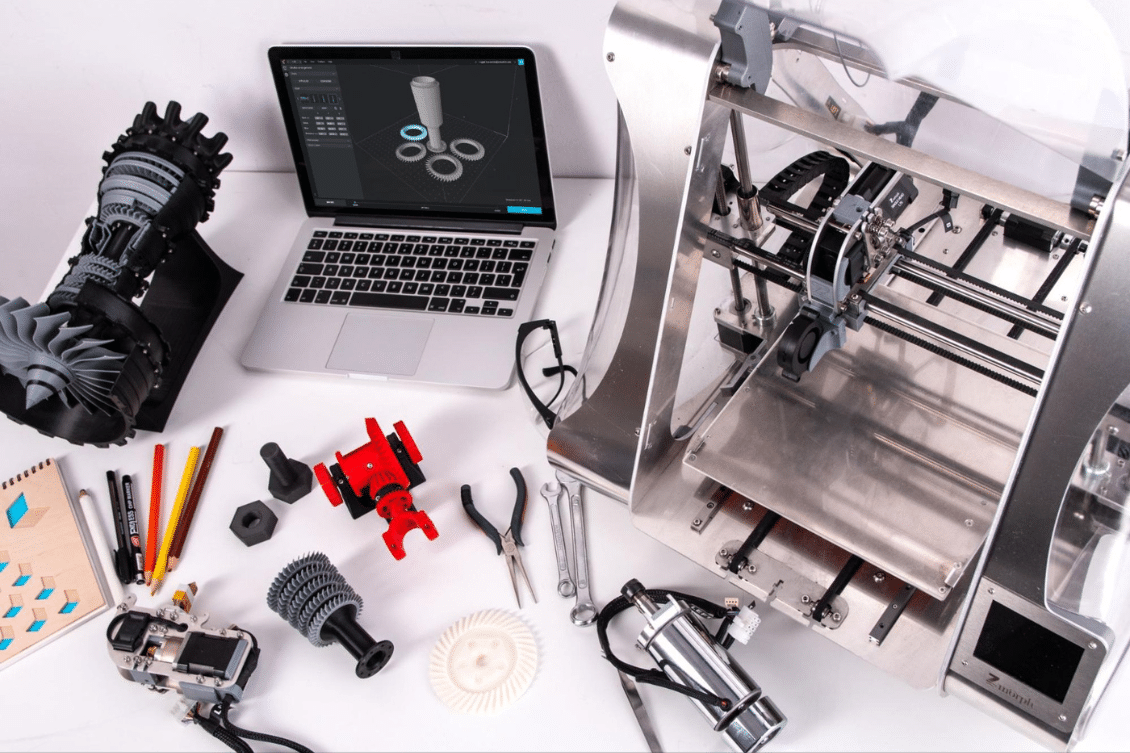
Speed has become a defining factor in modern product development. Businesses across engineering, manufacturing and technology face growing pressure to bring new ideas to market while maintaining quality, reliability and commercial viability. Whether developing industrial equipment, consumer electronics or specialist components, long development cycles can leave organisations behind competitors and increase project costs.
Rapid prototyping has changed the way products are designed, tested and refined. Instead of waiting until late-stage production to identify design issues, teams can assess concepts early, gather practical feedback and make adjustments before committing to full-scale manufacturing. This approach reduces unnecessary expenditure, shortens development times and gives organisations greater confidence when moving towards production.
Why Prototyping Matters More Than Ever
A strong prototype provides valuable evidence that a design will perform as intended before significant manufacturing resources are committed. Digital models can identify some concerns, but physical prototypes reveal details that are often difficult to predict on screen, such as assembly challenges, material behaviour and user interaction.
Testing early versions also allows engineers and designers to verify performance against project requirements. Components can be measured, stress tested and evaluated under realistic operating conditions. If changes are required, they can usually be introduced at a stage where revisions remain practical and cost-effective.
Rapid prototyping also supports faster concept validation. Businesses can compare multiple design options rather than relying on assumptions or theoretical modelling alone. Stakeholders gain a clearer understanding of how a finished product will function, helping project teams move forward with greater confidence.
For companies working within competitive sectors, reducing uncertainty during development can make a substantial difference. Early testing helps avoid expensive redesigns after production tooling has already begun and allows new products to reach customers within shorter timeframes.
The Role of Precision Manufacturing
Advances in digital engineering have transformed modern manufacturing. Sophisticated Computer-Aided Design (CAD) software enables detailed product modelling, while Computer Numerical Control (CNC) machining and advanced fabrication methods produce highly accurate prototype components.
Digital workflows allow engineers to modify dimensions, test assemblies and assess tolerances before physical production begins. Once designs are approved, manufacturing equipment can reproduce complex parts with impressive consistency, supporting repeatable testing throughout development.
Many organisations also benefit from specialist sheet metal design and prototyping services when developing metal components. Combining experienced engineering knowledge with modern fabrication techniques allows prototype parts to reflect real production conditions, giving designers meaningful data before larger manufacturing runs commence.
Precision manufacturing also improves communication between development teams. Accurate prototypes provide a shared reference point, reducing misunderstandings between designers, engineers and production specialists while supporting quicker design revisions.
Collaboration Between Designers and Manufacturers
Successful product development depends on close cooperation from the earliest project stages. Designers may focus on product functionality and appearance, while manufacturers contribute practical knowledge regarding fabrication methods, material selection and production efficiency.
Working together from the outset helps identify manufacturing constraints before designs become finalised. Small adjustments to component geometry, fastening methods or material thickness can simplify production without affecting performance.
This collaborative process frequently reduces waste and avoids unnecessary manufacturing complexity. When production teams contribute during design reviews, projects often require fewer engineering changes later in development, saving both time and financial resources.
Communication also supports realistic planning. Manufacturers can advise on lead times, tooling requirements and production capabilities, allowing businesses to build practical schedules rather than relying on assumptions. As projects move towards full production, this shared understanding helps maintain momentum and reduces unexpected delays.
For organisations producing specialised equipment or low-volume products, early collaboration creates additional flexibility. Design updates can be incorporated before production processes become fixed, allowing improvements to continue throughout development without major disruption.
Looking Ahead
Rapid prototyping continues to evolve alongside advances in automation, digital manufacturing and engineering software. Increasingly sophisticated simulation tools, additive manufacturing technologies and precision machining techniques are giving businesses new ways to evaluate products before full-scale production begins.
Agile manufacturing methods support innovation across sectors including aerospace, medical technology, automotive, renewable energy and industrial machinery. As customer expectations continue to rise, organisations are seeking development processes that allow quicker iteration while maintaining high engineering standards.
The combination of digital design, precision fabrication and close collaboration creates a development environment where ideas can be assessed efficiently and refined with confidence. Rather than relying on lengthy development cycles, businesses can respond to changing market demands with greater flexibility while maintaining consistent product quality.
Effective product development increasingly depends on the ability to test, refine and validate ideas before large-scale manufacturing begins. Rapid prototyping reduces development risks, supports faster concept evaluation and strengthens communication between designers and production specialists. When combined with precision manufacturing and collaborative engineering, it helps organisations create reliable products while managing time and costs effectively. As manufacturing technology continues to advance, quality design and prototyping will remain central to successful product innovation across a wide range of industries.






Comment