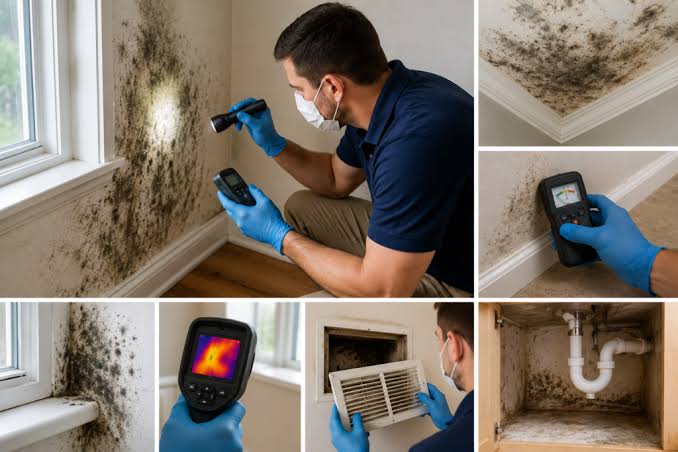
Mold can become a serious concern for homeowners, especially in warm and humid areas like Sarasota, Florida. Although mold may seem like a minor household issue at first, it can spread quickly when moisture remains unnoticed. From musty odors to dark spots on walls, early warning signs often indicate a hidden problem that deserves attention. Understanding how mold develops, why testing matters, and when professional help may be needed can help homeowners protect their properties and maintain a healthier indoor environment.
Understanding Why Mold Grows in Sarasota Homes
Sarasota’s warm climate and high humidity can create favorable conditions for mold growth. Moisture from heavy rainfall, plumbing leaks, roof damage, and air conditioning problems can accumulate inside homes without attracting immediate attention. When damp materials such as drywall, wood, carpeting, or insulation remain wet, mold may begin to develop. Even a recently cleaned home can experience mold growth if the underlying moisture source remains unresolved.
Bathrooms, kitchens, laundry rooms, attics, and air conditioning areas are common places where moisture problems occur. Sometimes, mold grows behind furniture or inside wall cavities, making it difficult to detect through a simple visual inspection. A persistent musty smell may provide an early clue that moisture or microbial growth exists somewhere out of sight. Recognizing these warning signs allows homeowners to investigate potential problems before they become more extensive and expensive to address.
Common Signs That a Home May Have a Mold Problem
Mold does not always appear as obvious black or green patches on a wall. In some properties, the earliest signs involve changes in smell, visible water damage, or unexplained dampness. Homeowners may notice peeling paint, discolored ceilings, bubbling wallpaper, or warped wooden surfaces. These symptoms do not automatically confirm mold growth, but they suggest that the affected area may require further investigation.
Another warning sign is recurring moisture around windows, air conditioning vents, or plumbing fixtures. If a musty odor continues after ordinary cleaning, the source may be hidden behind building materials or inside a ventilation system. Some people may also experience irritation in damp indoor environments, although these symptoms can have many possible causes. A professional assessment can help determine whether mold is present and whether additional investigation is appropriate.
Why Professional Mold Testing Can Be Helpful
Professional mold testing can help homeowners better understand suspected indoor mold problems. Depending on the circumstances, an inspection may include a visual assessment, moisture measurements, and air or surface sampling. The appropriate method depends on the property’s condition, the suspected source, and the questions that need answering. Testing is not always necessary when visible mold and its moisture source are already apparent, but it can be useful when contamination is suspected and the source is unclear.
Homeowners seeking information about local inspection services can explore Mold Testing Sarasota to learn more about available assessment options. A qualified professional can explain the inspection process, discuss whether sampling is warranted, and help interpret any laboratory findings. Results should be considered alongside the property’s moisture history and physical condition rather than viewed as a simple pass-or-fail judgment. This approach gives homeowners a clearer understanding of the problem and helps them decide what steps to take next.
The Difference Between Mold Inspection and Mold Testing
Although the terms are often used together, mold inspection and mold testing serve different purposes. An inspection focuses on identifying visible growth, moisture intrusion, water damage, and conditions that could support mold development. It may also involve examining areas where hidden moisture is likely to accumulate. The findings help establish whether a problem exists and where further investigation may be necessary.
Mold testing involves collecting samples, when appropriate, to evaluate the presence or characteristics of mold in a particular environment. Samples may be collected from the air or specific surfaces and sent to a laboratory for analysis. However, a negative sample does not guarantee that a property is completely free of mold, since sampling represents only the conditions at a particular location and time. Understanding this distinction helps homeowners choose services based on their actual concerns instead of assuming that every property requires the same testing procedure.
Five Practical Ways to Reduce Mold Growth at Home
Preventing mold begins with controlling moisture and maintaining the home regularly. Sarasota homeowners can take several practical steps to reduce the risk of mold development and identify potential problems before they become expensive repairs.
- Control Indoor Humidity: Keeping indoor humidity between 30% and 50% when possible can help limit excess moisture. Homeowners can use a dehumidifier when necessary and ensure their air conditioning system works properly.
- Repair Water Leaks Quickly: Leaking pipes, damaged roofs, and faulty plumbing should be repaired promptly. Addressing water intrusion early helps prevent moisture from spreading into walls, ceilings, flooring, and insulation.
- Maintain Air Conditioning Systems: Regular maintenance helps air conditioning systems manage indoor humidity effectively. Homeowners should also check for blocked condensate drain lines and signs of condensation around vents.
- Inspect Hidden Areas: Areas beneath sinks, behind furniture, inside closets, and around windows deserve occasional inspection. Musty odors, water stains, and damp surfaces can indicate moisture problems that require further attention.
- Schedule Professional Mold Assessments: If a musty smell persists, water damage returns, or hidden mold is suspected, a professional assessment can help identify the problem. Testing may be recommended when it can provide useful information about the affected area.
Following these steps can help homeowners maintain their properties and reduce the likelihood of recurring moisture issues. However, prevention alone may not resolve an existing mold problem, particularly when water has entered concealed building materials.
The Risks of Ignoring Water Damage
Water damage should never be ignored, even when the affected area appears small. A minor roof leak, dripping pipe, or overflowing appliance can introduce moisture into hidden spaces where mold may develop. Over time, untreated moisture can damage drywall, wooden structures, insulation, and flooring. Prompt repairs and thorough drying can help prevent these issues from becoming more complicated and costly.
Homeowners should pay particular attention after heavy rainfall or storms, as water may enter through damaged roofing, windows, or exterior walls. Simply painting over a water stain does not solve the underlying problem. The source of moisture must be identified and corrected before cosmetic repairs can provide a lasting solution. Taking action early can help protect the property’s structure and reduce the chance of repeated mold growth.
Conclusion
Mold can affect homes in Sarasota when humidity, leaks, or water damage create suitable conditions for growth. Recognizing early warning signs, controlling indoor moisture, and arranging a professional assessment when needed can help homeowners make informed decisions about their properties. Mold testing may provide useful information when hidden growth is suspected or the extent of contamination is uncertain, although testing should be selected according to the specific circumstances. With regular maintenance, timely repairs, and effective moisture management, homeowners can better protect their buildings, avoid unnecessary expenses, and maintain a more comfortable indoor environment.