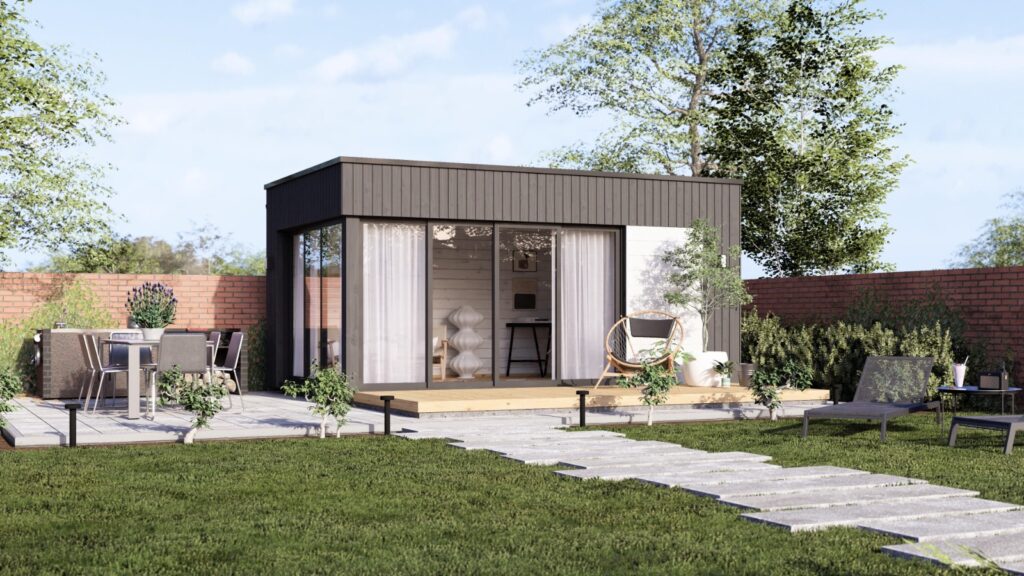
While remote working offers greater flexibility, it has also contributed to growing concerns about work-life balance and burnout. Many people work from kitchen tables or spare bedrooms, which does little to create a clear boundary between work and home life. This leads to more stress and less focus on work. In 2026, garden offices are becoming a popular solution for helping remote and hybrid workers maintain a healthier state of mind.
A garden office is a self-contained structure placed in the garden and designed specifically as a workspace. These structures are designed to support mental wellbeing through clear work-life separation, abundant natural light, and biophilic design principles.
What is the Mental Health Crisis in Home Working?
The mental health challenges associated with home working stem from blurred boundaries between work and personal life, making it difficult to switch off and recover. Many remote workers report feeling more stressed and fatigued, while finding it harder to maintain a healthy work-life balance.
The problem is made worse by a lack of proper home offices, while the intrusion of the workplace into the home makes it hard to mentally switch off. Remote workers often say it’s hard to ‘disconnect’ after hours, with constant checking of emails and completing tasks beyond working hours. A major contributing factor is the lack of physical and psychological separation between work and home.
How Does Physical Separation Enhance Mental Clarity and Focus?
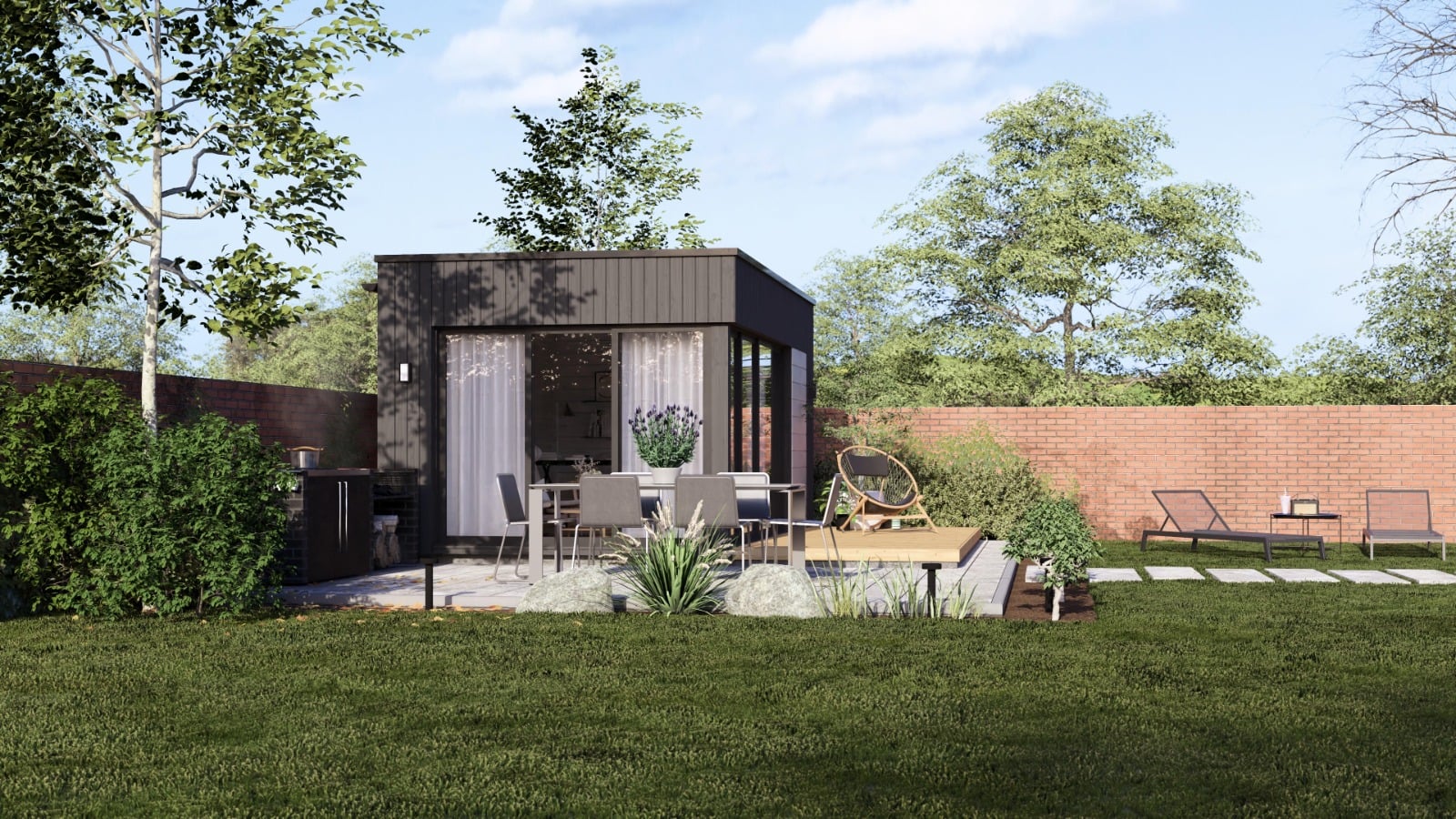
Having a garden office can help to create physical separation, which improves our mental clarity and focus by differentiating between work and personal life. Having a dedicated workspace can reduce distractions and improve productivity.
This separation creates a “commute replacement” effect that helps the brain switch between work and personal modes. Remote workers can reinforce boundaries with short regular routines that they can control. For instance, a walk to a garden pod can help them “clock in” and “clock out” and lower their stress levels. The psychological benefits of garden offices include:
- Lowered decision fatigue from frequently switching between work and home tasks.
- Improved focus on demanding tasks without household interruptions.
- Greater control over the working environment and daily routine.
- A clearer distinction between professional and personal roles.
How Do Natural Light and Biophilic Design Improve Mood and Reduce Stress?
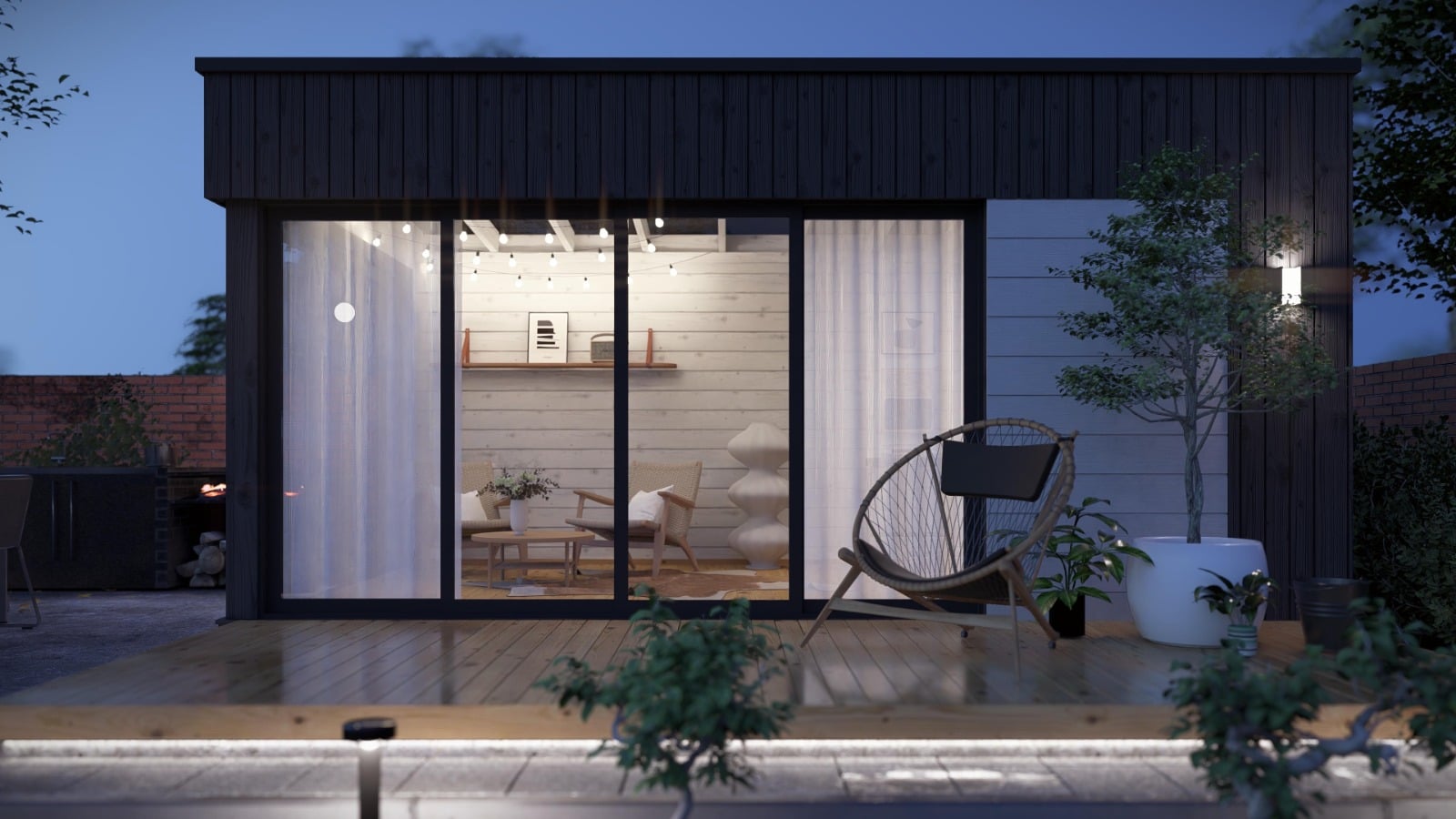
Natural daylight and biophilic design elements can promote a more positive state of mind while helping to reduce stress through our connection with nature. Natural light is an important element for uplifting moods, reducing stress, and maintaining a healthy daily rhythm.
Garden pods often feature large windows or glass walls, allowing more natural light than many indoor workspaces. Spending time connected to nature can contribute to improved wellbeing and a more positive outlook. Key benefits include:
- Cortisol Regulation: Natural light can help support healthy daily rhythms, making people feel more alert during the day and more relaxed in the evening.
- Mood Enhancement: Natural lighting can uplift your mood and help you feel more at ease while working.
- Biophilic Connection: Access to natural views and greenery can promote a greater sense of wellbeing and relaxation.
- Cognitive Restoration: Exposure to natural surroundings can help refresh the mind and improve concentration.
How Does a Dedicated Workspace Improve Household Harmony?
A garden office can help maintain household harmony by separating work and family life, reducing interruptions and easing relationship pressures. When work continually intrudes into home life, it can become difficult to separate the two, leading to increased tension within the household.
Having a physically separate workspace can reduce the feeling of being constantly on call, allowing individuals to fully engage in their personal lives after work hours. The benefits for family life include:
- Fewer interruptions during working hours.
- Clear signals for family members about when someone is working and when they are available.
- Better ability to “switch off” at the end of the day.
- Improved quality of family time due to fewer work-related distractions.
Conclusion
Remote and hybrid working certainly bring flexibility, but they have also highlighted challenges to mental wellbeing for many professionals. Blurred boundaries between work and home life have increased stress levels and highlighted the need for better workspace solutions. Garden offices serve as an effective solution to this issue.
Dedicated workspaces that provide physical separation, maximise natural light, incorporate biophilic design, and establish clear work-life boundaries can support long-term mental wellbeing. Investing in a garden office in Ireland typically costs between €14,000 and €33,000 for a fully installed unit. In contrast, the personal and financial costs associated with long-term burnout can be significant. As remote working continues to evolve, solutions that support mental health will be essential for long-term wellbeing and professional success.