
Why Device Compatibility and Streaming Stability Matter More Than Ever for IPTV Users in 2026

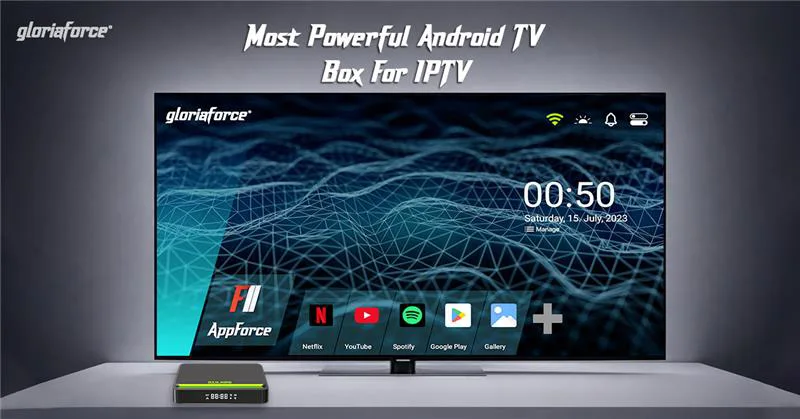
Television is no longer tied to a single screen in the living room. In 2026, viewers expect to move naturally between a Smart TV, streaming stick, tablet, smartphone, Android box, or laptop without changing the way they access their entertainment.
This shift has changed the way consumers evaluate IPTV services. A large channel catalog may still attract attention, but it is no longer enough on its own. Viewers increasingly care about practical questions: Does the service work on the device already connected to the television? Can it deliver reliable picture quality during live viewing? Is the setup simple? Is support available when an application or device needs configuration?
For IPTV providers, the competition is now less about promising more content and more about delivering a smoother, more compatible and more reliable viewing experience.
The Modern Viewer Uses More Than One Screen
Traditional television was designed around one fixed connection and one main television set. Modern streaming habits are different.
A household may use a Smart TV for movies in the evening, a Fire TV Stick or Android TV box for live viewing, and a phone or tablet while traveling or away from the main screen. This makes device compatibility one of the most important factors in choosing an IPTV subscription.
An IPTV service that works across different device types gives viewers more flexibility without requiring them to rebuild their home entertainment setup. Compatibility with popular platforms and IPTV players also makes installation easier for users who already have preferred applications.
This is one reason providers are increasingly emphasizing support for Smart TVs, Amazon Fire Stick, Android devices, Apple devices, MAG boxes and common IPTV applications. The service is no longer expected to live on one screen; it needs to fit the connected-device ecosystem that viewers already use.
Streaming Stability Has Become a Real Differentiator
Content availability may help a viewer discover a service, but streaming stability usually determines whether they remain satisfied with it.
This is especially noticeable during live programming. Movies and series can sometimes tolerate minor loading delays, but live sports, breaking news and scheduled events are much less forgiving. Buffering or freezing during an important moment quickly damages the overall experience.
For that reason, users are increasingly paying attention to factors such as stream loading speed, playback reliability, image consistency and support during setup. Providers that invest in stable delivery infrastructure are better positioned to meet modern expectations than those relying only on large catalog claims.
The practical lesson for viewers is simple: the value of an IPTV subscription is not measured only by the number of channels or titles listed on a website. It is measured by how comfortably the service performs on the viewer’s device, internet connection and daily viewing routine.
HD and 4K Viewing Depend on More Than Resolution Labels
Picture quality is another area where IPTV expectations have changed. Many viewers now own televisions capable of Full HD, UHD or 4K playback, and they naturally want content that can make use of those screens.
However, high-quality viewing depends on several elements working together:
- The subscription must provide suitable stream quality.
- The device must be capable of displaying that quality correctly.
- The IPTV player must be configured properly.
- The home internet connection must be stable enough for the selected stream.
A 4K-capable television alone does not guarantee a smooth 4K experience. Similarly, a subscription advertising UHD viewing will still depend on the user’s network conditions and device setup.
This is why the strongest IPTV services increasingly separate standard viewing needs from premium quality options. Users watching mainly on smaller screens or ordinary HD televisions may not need the same configuration as viewers using larger 4K Smart TVs for sports, films or live events.
Setup Simplicity Is Part of the Product Experience
A good streaming service should not feel difficult to start using.
In practice, new IPTV customers often need to choose an application, enter subscription details and connect the service to their preferred screen. For experienced users, this may take only a few minutes. For less technical customers, the setup process can determine whether the service feels convenient or frustrating.
Providers that clearly explain installation steps and support commonly used IPTV players remove unnecessary friction from the customer journey. Compatibility with established applications also means users are not forced into unfamiliar software simply to begin watching.
This is where services such as Panda IPTV fit into the wider shift toward accessible, multi-device viewing. The provider presents its subscriptions as compatible with Smart TVs, Amazon Fire Stick, Android boxes, phones, tablets, Apple devices, MAG boxes and widely used IPTV players including IPTV Smarters Pro and TiviMate.
Its current plans are also organized around different viewing expectations: Standard subscriptions advertise HD and Full HD quality, while Premium subscriptions advertise UHD and 4K quality alongside features such as an electronic program guide. This type of structure reflects a broader industry trend: allowing users to choose a service level that better matches their screen, viewing habits and desired picture quality.
Support Matters More in a Multi-Device World
As IPTV expands across more devices, technical support becomes increasingly important.
A television app may behave differently from a mobile app. A streaming stick can require different installation steps from an Android box. A user switching to a new device may need help configuring an application or re-entering subscription credentials.
Support is therefore no longer just a customer-service extra. It has become part of the technology experience itself.
A reliable provider needs to assist customers with installation, compatible player selection and common viewing issues. This becomes especially valuable for households using more than one device or for customers who are new to IPTV applications.
According to its website, Panda IPTV states that it is trusted by more than 13,500 clients worldwide and includes technical support within its subscription positioning. For a service operating in a device-diverse environment, that support component is an important part of maintaining a consistent user experience.
What Viewers Should Check Before Choosing an IPTV Service
As IPTV options continue to expand, viewers can make better decisions by focusing on practical requirements rather than promotional headlines alone.
First, they should identify the primary device they intend to use. Someone watching through a Samsung or LG Smart TV may have different needs from a customer using an Amazon Fire Stick, Android box or mobile device.
Second, they should consider the desired picture quality. HD may be sufficient for everyday viewing, while viewers with larger 4K screens may place more value on UHD-compatible plans.
Third, they should look at the overall usability of the service. Clear setup guidance, compatibility with familiar players and responsive support can matter just as much as the size of a content library.
Finally, viewers should match their subscription choice to their actual habits. A flexible service that works across preferred devices is often more useful than a plan built around features they will rarely use.
The Future of IPTV Is About Experience, Not Just Access
IPTV has evolved alongside connected televisions, mobile screens and streaming devices. The most important change is not simply that viewers can access entertainment through the internet. It is that they now expect that entertainment to follow them across screens while remaining stable, clear and easy to use.
In this environment, providers that focus on device compatibility, dependable playback, picture-quality options and useful technical support are more likely to stand out.
For users, the smartest approach is to choose an IPTV service based on how it performs in real viewing conditions: on the devices they already own, at the quality level they actually need and with the support required to keep the experience simple.
As television continues moving deeper into the connected-device era, IPTV services will increasingly be judged not by how much they promise, but by how smoothly they deliver.
Read More From Techbullion







Comment