
Why Can Causation Be Difficult to Prove in Personal Injury Cases?

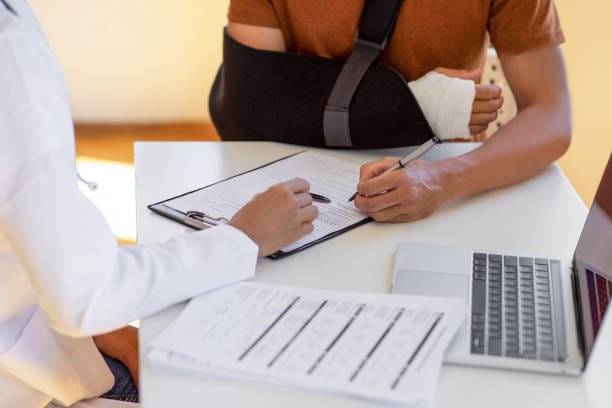
Causation can be difficult to prove in a personal injury case because an injury may have more than one possible cause. A person may need to show that another party’s actions or failure to act actually caused the injury and that the claimed losses are connected to that injury. This can become more complicated when there are pre-existing conditions, multiple accidents, or other factors involved.
Personal injury cases can arise from car crashes, falls, workplace incidents, defective products, and many other situations. The facts can vary widely from one case to another, and small details may affect how responsibility is determined. Knowing the two types of causation can make it easier to see why proving this part of a claim may require careful review of the available evidence.
Actual Cause Connects the Conduct to the Injury
The first type is often called actual cause or cause in fact. It asks whether the injury would have happened if the defendant had not acted in the way they did.
For example, if a driver runs a red light and hits another vehicle, the injured person may argue that the driver’s actions directly caused the crash and resulting injuries. Evidence such as traffic camera footage, witness statements, police reports, and vehicle damage may help establish this connection.
Proximate Cause Considers Legal Responsibility
Proximate cause focuses on whether the injury was a reasonably foreseeable result of the defendant’s conduct. Even when someone’s actions played a role in an incident, the law may not always hold that person responsible for every consequence that follows.
For instance, an unusual event occurring after an accident could create a new injury that is difficult to connect legally to the original conduct. Courts may examine whether the later harm was sufficiently related to the defendant’s actions.
Pre-Existing Conditions Can Complicate Causation
A person may already have an injury or medical condition before an accident. An insurance company or opposing party may argue that the accident did not cause the person’s current symptoms.
Medical records from before and after the incident can help show whether the accident created a new condition or made an existing condition worse. Doctors may also provide opinions about the relationship between the accident and the claimed injuries.
Multiple Events Can Create Questions
Sometimes an injury follows more than one event. A person might be involved in two separate accidents, for example, or suffer an injury that is affected by both an accident and another medical condition.
In these situations, determining which event caused which part of the injury can be challenging. Medical records, timelines, witness accounts, and expert opinions may help separate the different causes.
Evidence Plays an Important Role
Strong evidence can help establish a clear connection between the defendant’s conduct and the injury. Important records may include accident reports, photographs, surveillance footage, medical records, employment records, and statements from people who witnessed the incident.
The timing of symptoms can also matter. Seeking medical attention promptly and accurately explaining what happened can help create a consistent record of the injury and its possible cause.
Missouri Law Illustrates the Importance of Causation
The legal standard for causation depends on the state and type of claim. For example, Missouri Revised Statutes § 537.765 addresses certain product liability claims and provides rules concerning comparative fault in those cases.
This illustrates why causation and responsibility must be considered together. A claim may involve questions about what caused the injury as well as whether other parties or the injured person contributed to the harm.
Expert Testimony May Help
Some injuries are relatively easy to connect to an accident, while others require medical or technical knowledge. In complex cases, doctors, engineers, accident reconstruction professionals, or other qualified experts may help explain the relationship between an event and the resulting injury.
Their opinions can be particularly useful when causation is disputed or when the injury has multiple possible explanations.
A Clear Timeline Can Strengthen a Claim
Creating a detailed timeline can help connect the incident to the injury. Records showing what happened before the event, what occurred during it, and how symptoms developed afterward may provide important support.
The goal is to show a logical connection between the conduct, the accident, the injury, and the losses being claimed.
Key Takeaways
- Causation connects a person’s conduct to the injury in a personal injury claim.
- Actual cause focuses on whether the conduct caused the injury.
- Proximate cause considers whether the injury was a foreseeable legal consequence.
- Pre-existing conditions can make causation more difficult to establish.
- Multiple accidents or events may require additional evidence.
- Medical records, witness statements, photographs, and expert opinions can help prove causation.







Comment