Modern businesses are evolving rapidly, and customer expectations are higher than ever. Consumers now demand fast deliveries, accurate order processing, and real-time updates. However, many companies still rely on outdated or manual systems to manage their orders, which leads to delays, errors, and customer dissatisfaction. As order volumes grow, managing them efficiently becomes even more challenging.
To stay competitive, businesses must adopt smarter solutions that streamline operations and improve accuracy. One such solution is an order management system online, which allows companies to handle orders seamlessly across multiple channels. By automating workflows and centralizing data, businesses can improve efficiency, reduce costs, and deliver a better customer experience.
The Growing Complexity of Order Management
Order management is no longer limited to processing a single purchase. Today, businesses deal with multiple sales channels, including websites, mobile apps, marketplaces, and physical stores. Each channel generates orders that must be tracked, processed, and fulfilled accurately.
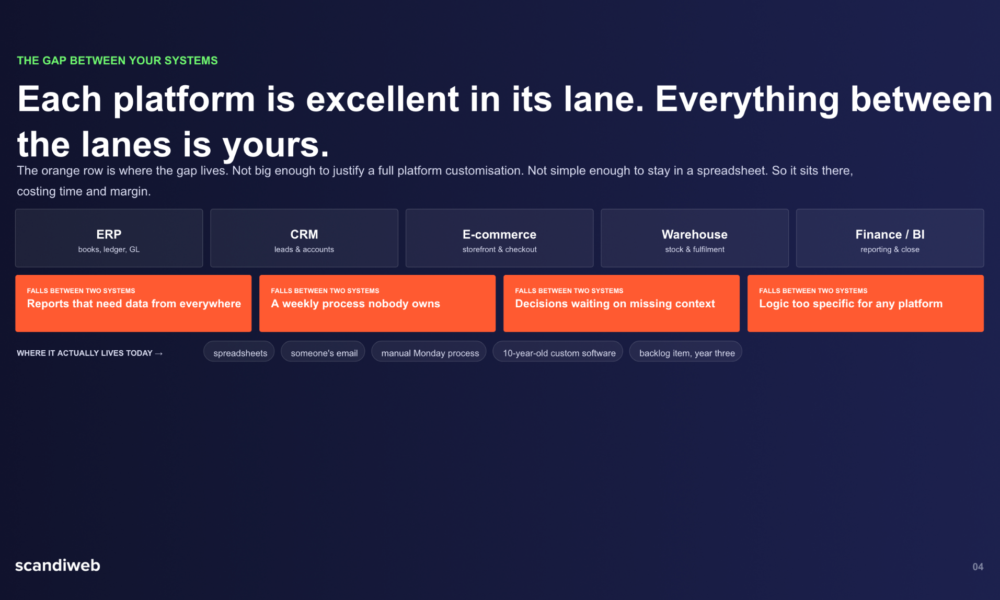
This complexity increases the chances of errors, such as duplicate entries, incorrect shipments, or delayed deliveries. Without a centralized system, businesses struggle to maintain visibility across operations. As a result, teams often rely on spreadsheets or disconnected tools, which slows down workflows and creates confusion.
A digital solution simplifies this process by bringing all order-related activities into one platform. This ensures that every order is tracked from placement to delivery without unnecessary delays or miscommunication.
Key Challenges Businesses Face Without Automation
Businesses that rely on manual order processing face several operational issues. One major challenge is data inconsistency. When information is stored across multiple systems, it becomes difficult to maintain accuracy. Even small errors can lead to significant losses and customer complaints.
Another challenge is the lack of real-time visibility. Teams often do not have access to up-to-date information about inventory levels, order status, or shipping progress. This makes it harder to respond to customer queries or resolve issues quickly.
Scalability is also a concern. As order volumes increase, manual processes become inefficient and costly. Businesses need more staff to handle operations, which increases overhead without improving productivity. This is where automation plays a crucial role in transforming order management.
How an Online Order Management System Solves These Problems
An online order management system helps businesses streamline their operations by automating repetitive tasks and centralizing data. It integrates multiple sales channels into a single platform, allowing teams to manage orders efficiently without switching between systems.
Automation reduces the risk of human error by ensuring that orders are processed accurately. The system can automatically update inventory levels, generate invoices, and track shipments in real time. This improves operational efficiency and enhances customer satisfaction.
Additionally, businesses gain better visibility into their operations. Managers can monitor performance, identify bottlenecks, and make data-driven decisions. This level of control is essential for scaling operations and maintaining consistency across all channels.
Key Features to Look For in an Order Management System
When choosing an order management solution, businesses should focus on features that support growth and efficiency. Real-time order tracking is one of the most important capabilities. It allows businesses to monitor every stage of the order lifecycle and keep customers informed.
Inventory synchronization is another critical feature. It ensures that stock levels are updated automatically across all sales channels, reducing the risk of overselling or stockouts. This helps businesses maintain accurate inventory records and improve fulfillment rates.
Integration capabilities are equally important. A good system should connect seamlessly with existing tools such as payment gateways, shipping providers, and accounting software. This creates a unified ecosystem that simplifies operations and reduces manual work.
Benefits for Different Types of Businesses
An online order management system provides value across various industries. For eCommerce businesses, it ensures smooth order processing and timely deliveries, which are essential for customer retention. Retailers can use the system to manage both online and in-store orders efficiently.
Wholesale distributors benefit from improved inventory control and faster order fulfillment. The system helps them handle large volumes of orders without compromising accuracy. Similarly, manufacturers can use it to streamline production planning and delivery schedules.
Small businesses also gain a competitive advantage by adopting automation early. They can operate more efficiently, reduce operational costs, and deliver a better customer experience without needing a large workforce.
Improving Customer Experience Through Better Order Management
Customer experience plays a crucial role in business success. Delayed or incorrect orders can damage a brand’s reputation and lead to lost sales. An efficient order management system helps businesses provide faster and more reliable service.
With real-time updates, customers can track their orders and receive accurate delivery estimates. This transparency builds trust and improves satisfaction. Automated notifications also keep customers informed at every stage of the process.
By reducing errors and delays, businesses can create a seamless shopping experience. This not only increases customer loyalty but also encourages repeat purchases and positive reviews.
Scalability and Future Growth
As businesses grow, their operational needs become more complex. An online order management system provides the scalability required to handle increasing order volumes without compromising performance.
The system can easily adapt to new sales channels, markets, and customer demands. Businesses can expand their operations without worrying about operational inefficiencies or system limitations. This flexibility is essential for long-term growth.
Moreover, advanced analytics provide valuable insights into customer behavior, sales trends, and operational performance. These insights help businesses plan strategies, optimize processes, and stay ahead of the competition.
Choosing the Right Solution for Your Business
Selecting the right order management system requires careful evaluation of business needs. Companies should consider factors such as scalability, ease of use, integration capabilities, and customer support.
It is also important to choose a solution that aligns with long-term goals. A flexible and customizable system ensures that businesses can adapt to changing requirements without major disruptions.
Investing in the right technology not only improves current operations but also prepares businesses for future challenges. With the right system in place, companies can achieve sustainable growth and maintain a competitive edge.
Conclusion
Efficient order management is essential for businesses that want to succeed in today’s competitive market. Manual processes and disconnected systems are no longer sufficient to handle the growing complexity of modern commerce.
An online order management system provides the tools needed to streamline operations, improve accuracy, and enhance customer experience. By adopting automation and centralizing data, businesses can reduce costs, increase efficiency, and scale with confidence.
In a fast-paced digital environment, investing in the right order management solution is not just an option—it is a necessity for long-term success.