
What wind turbine power output means when the blades start turning

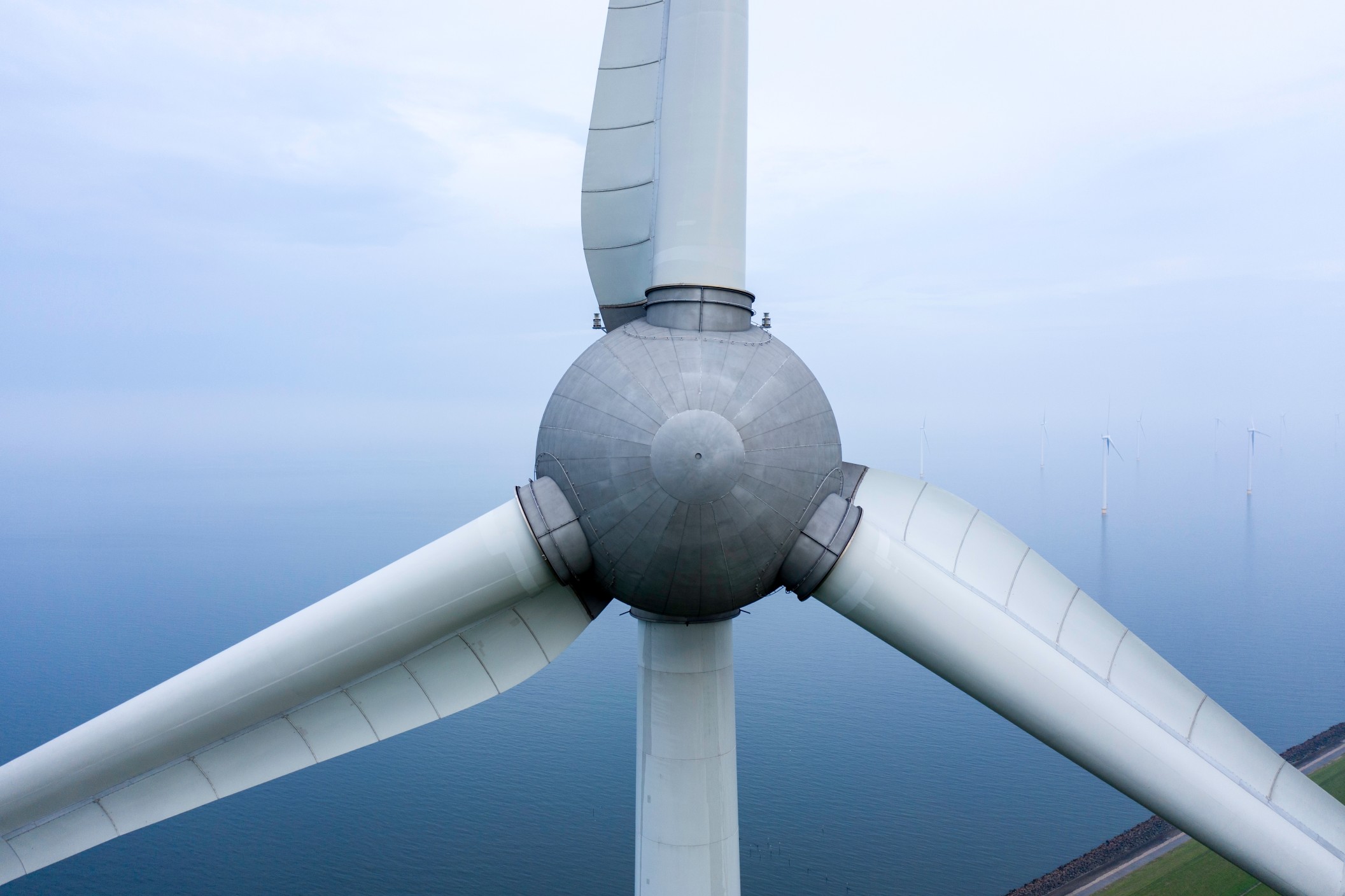
A turbine turning in a light breeze makes an appealing demonstration. For someone facing low wind speeds and uncertain energy yield, however, rotation answers only a small part of the buying question. It does not show how much electricity reaches a battery, how often the turbine reaches rated output, or whether the installation will cover an evening load.
Compare the complete installation. Although a vertical axis wind turbine and a horizontal axis wind turbine both convert moving air into electricity, their advertised starting speeds and power ratings describe different operating conditions, so a fair comparison follows the electricity through to the useful load under the conditions expected at the proposed site.
Starting, generating and supplying a load are different events
The US Department of Energy’s Small Wind Guidebook defines start-up wind speed as the point at which a turbine rotor begins to spin. Its separate discussion of energy production explains why annual energy output is a better measure of a project’s contribution than a power rating alone. Motion is observable; useful electrical delivery needs measurement.
A buyer should therefore ask what the stated starting threshold represents: initial rotation, electrical generation under specified conditions, or useful charging with the intended controller and battery. Those are not interchangeable descriptions. A demonstration with an unloaded rotor cannot settle how a complete installation behaves under load.
This is also why a short video has limited value as performance evidence. It may show that a rotor responds to wind, but without simultaneous wind and electrical measurements it cannot establish the relationship between resource and output.
What a low starting speed says about a vertical axis wind turbine
ELEGE lists a start-up wind speed of 1.3 m/s for its EV vertical axis wind turbine and a rated wind speed of 10 m/s. The same product page presents 500 W, 1000 W, 1500 W and 2000 W models. These are manufacturer specifications for the range, not independent measurements of a particular installation.
Look between the advertised thresholds. For a buyer whose site spends much of its time below the rated wind speed, the power curve between starting and rated conditions matters because a rotor’s responsiveness to light air does not reveal how much useful electrical output it produces under the same conditions.
ELEGE also describes a vertical rotor that accepts wind from changing directions. That characteristic can inform the shortlist, but it does not remove the need to assess disturbed airflow. Directional flexibility and productive exposure are different questions.
How a horizontal axis wind turbine changes the comparison
ELEGE’s horizontal axis wind turbine page lists a series start-up speed of 3 m/s and rated wind speed of 14 m/s. It describes a tail vane that turns the rotor toward the wind and a permanent magnet generator. The series information should lead to a model-specific data request, rather than be treated as a complete performance specification.
Do not rank machines by starting speed. Comparing that figure directly with the EV figure misses the need to assess each selected rotor, generator and controller against the same local wind conditions, including the periods when the turbine turns but contributes little to the battery or connected load. Earlier movement does not establish greater annual production.
Open exposure and sufficient tower height belong in this comparison. A horizontal rotor placed behind a building is being asked to operate in a different flow environment from a machine on an open site. The axis label alone cannot correct that disadvantage.
Why wind-solar hybrid systems need separate generation figures
The EV product information describes use with wind-solar hybrid systems, battery storage, a controller and an inverter after appropriate matching. This makes the turbine part of an electrical system. It does not turn the combined system’s output into evidence of the turbine’s individual performance.
For a useful evaluation, keep wind generation, solar generation, battery charging and electricity delivered to appliances distinguishable. A battery that remains charged during sunny weather may reveal little about the wind contribution. Equally, an empty battery after a long calm period does not by itself identify a turbine defect.
Calm, cloudy periods still matter. Although hybrid generation can broaden the opportunities to collect energy, a buyer needs to know which loads can wait and which require backup when both sources are weak, especially if the system serves appliances whose operating hours cannot follow the weather. Adding solar does not validate an unsupported wind estimate.
Read the power curve where the site actually operates
The DOE guide describes annual energy estimation using the turbine’s power curve, local wind conditions, tower height and site characteristics. Where available, the wind-speed frequency distribution adds the hours spent at different speeds. The calculation should also account for the site’s elevation.
Ask where the power was measured. Then request the curve for the exact proposed model, identify its measurement basis and examine the section corresponding to the site’s common wind speeds, rather than letting a prominent rated-power figure distract from the longer periods when the same machine may produce much less electricity.
An annual average alone also hides variation. Long calm spells and brief strong winds can matter differently to an off-grid user even when an annual summary appears acceptable. Without the distribution and timing, uncertain energy yield remains unresolved; multiplying a nameplate rating by calendar time will not resolve it.
The electrical path can limit usable power
After generation, electricity still has to pass through the chosen control and conversion equipment. The battery must be able to accept charging, and the inverter must suit the intended appliances. These requirements explain why turbine selection and electrical system selection cannot be completed independently.
The EV page lists voltage options including 12 V, 24 V, 48 V and 220 V. A listed range does not mean every turbine model is available in every combination. Buyers should obtain the exact model, voltage, controller and inverter arrangement proposed for their project.
Voltage matching is only a start. Before accepting a quotation, ask the supplier to explain the charging arrangement and what happens when the battery cannot accept more energy, because a component list that leaves those responsibilities open has not explained how the rotor’s output becomes a dependable supply. Get the complete electrical arrangement checked.
Why a taller, cleaner site can matter more than early rotation
The DOE guide warns that turbulence can reduce estimated annual energy output by 15% to 25%, because turbine power curves are generally developed in less turbulent conditions than many small-wind sites. This is general siting guidance, not a measured loss assigned to an ELEGE model.
That warning changes what a buyer should inspect. Nearby roofs, trees and terrain can interrupt the flow reaching the rotor even where a regional wind map looks encouraging. Repeatedly starting in disturbed air is not the same as spending useful operating time in clean wind.
Moving the turbine or changing the tower proposal may deserve attention before changing the turbine rating. But a taller tower also brings access, foundation and installation considerations. The useful decision is to compare viable site-and-machine combinations, rather than assume height can be increased without practical limits.
Turn a product shortlist into a defensible output estimate
Someone comparing ELEGE wind turbines can begin with the vertical and horizontal ranges, then narrow the choice using the actual wind resource and electrical requirement. The meaningful question is how the selected configuration will perform at this location, rather than which specification looks strongest in isolation.
Before accepting an energy estimate, obtain the exact turbine designation, proposed tower height, power curve, site wind evidence and expected electrical losses. Ask whether the result refers to gross generation or energy delivered for use. For a battery system, also request the load schedule and the assumptions about calm periods.
Low wind speeds are not solved by a low starting number alone. A sound comparison connects the speed at which the rotor begins moving to the power available across normal conditions, then to energy reaching the load. That is the evidence needed to replace an attractive demonstration with a credible purchasing decision.







Comment