
What to Do Immediately After a Car Accident in California: A Step-by-Step

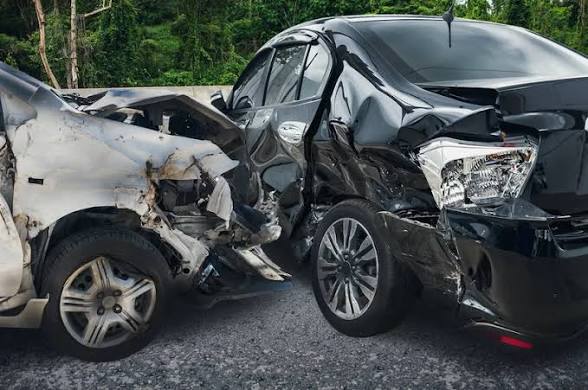
What to Do Immediately After a Car Accident in California: A Step-by-Step Brea & Orange County Guide
A traffic collision can happen in split seconds on busy Orange County corridors like the SR-57 (Orange Freeway) or SR-91. In the high-stress moments following an intersection crash or freeway pileup, taking the right steps protects both your health and your legal right to compensation under California personal injury law.
Use this step-by-step guide and emergency checklist to navigate the immediate aftermath of a car accident in Brea and greater Orange County.
Quick Reference: Immediate On-Scene Checklist
Download or bookmark this guide to keep critical California post-accident procedures at your fingertips.
1. Prioritize Medical Attention Immediately
Your physical safety is the immediate priority. Even in lower-speed intersection crashes, underlying severe injuries are frequently masked by shock and adrenaline.
Common delayed-onset injuries include:
- Whiplash & Cervical Strain: Soft-tissue damage often worsens over 24 to 72 hours.
- Traumatic Brain Injuries (TBI) & Concussions: Symptoms like dizziness, nausea, or brain fog may appear hours later.
- Internal Bleeding or Abdominal Trauma: Requires immediate diagnostic imaging (CT scans / X-rays).
Why Immediate Medical Documentation Matters
Under California’s comparative fault system, insurance adjusters look for gaps in treatment to argue that injuries were unrelated to the crash or exacerbated by delay. Establishing an immediate medical trail directly ties your condition to the collision.
2. Document the Crash Scene Thoroughly
Physical evidence at accident scenes can disappear within hours—especially on heavily traveled Orange County roadways where debris and skid marks are cleared rapidly.
If it is safe to do so, capture comprehensive visual evidence:
- Vehicle Positioning: Overall angles of all vehicles before they are moved.
- Point of Impact & Damage: Close-ups and wide shots showing crushed metal, glass, and airbag deployment.
- Roadway Conditions: Skid marks, oil spills, weather conditions, or blocked signage.
- Traffic Signals: Photo evidence of traffic lights or stop signs (critical in disputed Brea intersection collisions).
- Visible Injuries: Bruising, cuts, or lacerations.
Information to Exchange
Collect the following from all drivers involved:
- Full name, phone number, and address
- Driver’s license number
- Auto insurance carrier and policy number
- Vehicle license plate and Vehicle Identification Number (VIN)
3. Be Cautious in Communications with Insurance Adjusters
Shortly after the collision, you will likely be contacted by an insurance claims adjuster requesting a recorded statement.
What You Should Know Before Speaking to an Adjuster:
- You are not required to give a recorded statement to the other driver’s insurance company immediately.
- Statements given while shaken or in pain can be misinterpreted to minimize liability or mischaracterize fault.
- Consult a legal professional first. An experienced Brea car accident lawyer can manage communications on your behalf to protect your claim.
4. Understand Legal Deadlines: California Statute of Limitations
California law strictly limits the time you have to file a personal injury claim after a motor vehicle collision.
| Claim Type | Applicable Statute / Deadline | Key Consideration |
| Personal Injury / Wrongful Death | 2 Years from crash date (CCP § 335.1) | Failure to file within 2 years forfeits your right to compensation. |
| Property Damage Only | 3 Years from crash date (CCP § 338) | Covers vehicle repair or total loss valuation. |
| Government Entity Involved | 6 Months (Gov. Code § 911.2) | Applies if hit by a city vehicle, Caltrans equipment, or public transit. |
Frequently Asked Questions
Should I report a car accident to the California DMV?
Yes. Under California law (Form SR-1), you must report any accident to the DMV within 10 days if anyone was injured or killed, or if property damage exceeds $1,000, regardless of who was at fault.
What if the driver who hit me is uninsured or underinsured?
If an uninsured driver hits you in Orange County, your claim may be handled through your own Uninsured Motorist (UM) or Underinsured Motorist (UIM) coverage. An attorney can help review your policy limits and negotiate directly with your insurer.
Do all Brea car accident claims go to court?
No. The vast majority of personal injury cases are resolved through out-of-court negotiated settlements. However, preparing a thorough, evidence-backed case from day one provides maximum leverage during negotiations.
Need Legal Guidance After a Brea Traffic Collision?
If you or a loved one was injured due to another driver’s negligence on Orange County roadways, Terra Law APC provides trusted local legal representation. We offer free, confidential case reviews to explain your rights and options under California law.
- Phone: (714) 430-3867
- Location: Brea, CA (Serving Orange County & North Justice Center proceedings in Fullerton)





Comment