Traders care about execution speed and clean charts, but brokers care about risk management, administrative efficiency, and scalable infrastructure. Software built purely for the end-user often creates massive administrative nightmares for the back office. The modern brokerage needs technology designed specifically around its internal operational workflow and long-term profitability.
Key Takeaways
- A broker-centric platform natively supports both FX and prop trading models from a single unified backend.
- Advanced charting and a polished trader-side experience drive long-term client retention, with integrations like TradingView available as an additional layer on top of the platform’s native tools.
- True cost-efficiency relies on transparent pricing structures that eliminate hidden volume penalties.
Embracing The Hybrid Brokerage Model
The dividing line between traditional retail brokers and prop trading firms is rapidly disappearing. A truly versatile trading platform functions as a single, hybrid solution for both distinct business models. Match-Trader allows founders to target retail traders and offer funded-trader programs through the same backend infrastructure. You eliminate the need to purchase, maintain, and train staff on two separate software ecosystems.
This unified approach extends heavily to your liquidity management. When your prop firm clients pass their evaluations and reach the funded phase, integrating FX-Edge liquidity ensures seamless real-market execution. You manage risk efficiently, automatically routing profitable flow to the real market while providing a professional, latency-free environment for your top-performing traders.
Elevating The Frontend Experience
Your platform’s interface is your digital storefront, and first impressions dictate conversion rates. Providing an exceptional frontend is critical, which is why Match-Trader’s mobile-first PWA architecture is highly effective. Clients can trade instantly from any web browser or mobile device. They bypass app store restrictions and avoid downloading clunky, outdated applications.
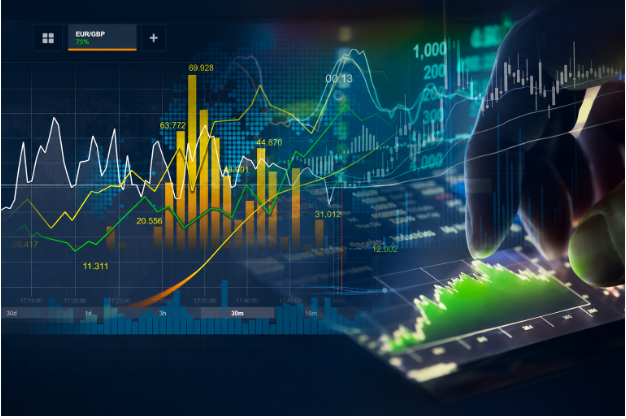
Furthermore, you must give traders the analytical tools they actively demand. Match-Trader pairs its own native charting and trader-side tools with optional TradingView integration as an additional asset. Brokers can configure the TradingView experience to suit different audiences, whether that is a fully featured charting environment for retail FX/CFD clients or a more focused setup for prop participants. This flexibility keeps your offering relevant to your target segment without locking you into a rigid layout.
Controlling Operational Costs
Your technology partner should actively help you grow, not penalize you for achieving high trading volumes. Broker-centric technology removes toxic pricing structures like B-Book turnover fees. When you keep 100% of your B-Book revenue, your profit margins increase significantly. You stop paying a hidden tax on your own success.
You can then reinvest those massive savings into scaling your business. You might use the capital to fund better marketing campaigns, increase introducing broker rebates, or pay external vendors directly for specialized third-party integrations, such as advanced KYC providers or AI analytics tools.
Empowering The Dealing Desk
A beautiful frontend means nothing if your risk managers cannot control the flow. Broker-centric software must provide granular, second-by-second oversight of total market exposure and individual client profitability. Your dealing desk requires robust administrative tools to function properly. This includes real-time A/B book switching, automated margin call execution, and comprehensive audit trails for regulatory compliance. When your backend infrastructure handles these complex tasks automatically, your team can focus on macro-level risk strategy rather than manual spreadsheet calculations.
FAQ
What does it mean to have a hybrid platform?
A hybrid platform allows a company to operate both a traditional FX/CFD brokerage and a prop trading firm simultaneously using a single software infrastructure.
Do prop traders get the same interface as FX clients?
Both audiences trade on the same Match-Trader platform, with the interface configured to fit the use case. Brokers can adjust which tools, charts, and TradingView features are surfaced to retail FX/CFD clients versus prop firm participants, rather than running two separate front ends.
Why is a PWA (Progressive Web App) beneficial?
A PWA delivers a lightning-fast, native-app-like experience directly through a web browser, offering immediate access to traders on any device without downloads.