
What It Takes to Build the Impossible

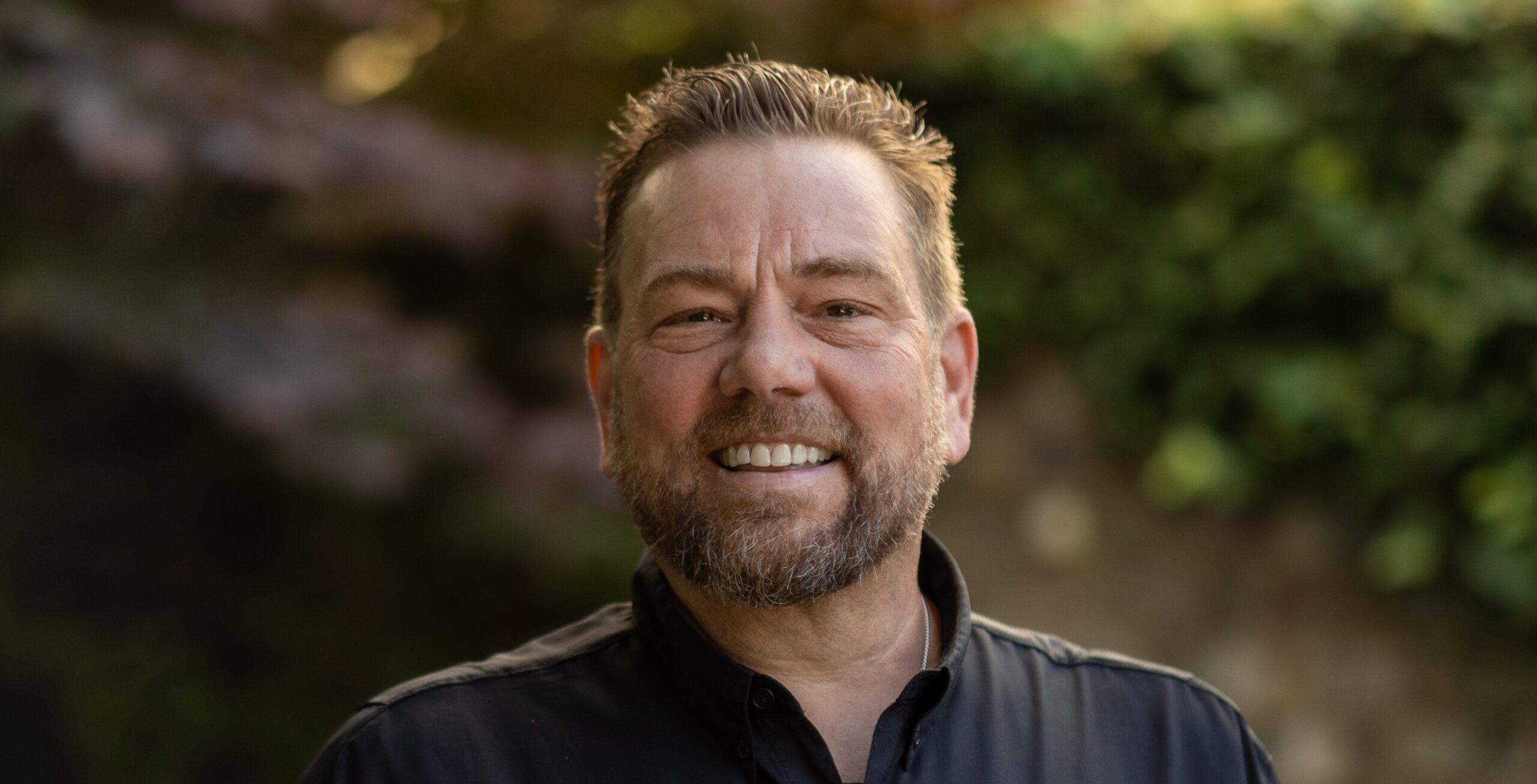
When I founded Inperium in 2016, I had an idea of what I wanted to build. What I did not have was any real understanding of what building it would ask of me. Over the years, the organization has grown in ways I could not have predicted, but the more significant change has been in me.
Leadership has a way of doing that. It tests your assumptions, exposes your weaknesses, reinforces your values, and forces you to become someone capable of carrying the weight of what you have built. There were difficult decisions, failed ideas, unexpected challenges and plenty of moments when the path forward was unclear.
Building Inperium has been the most rewarding and challenging experience of my life, and much of what I understand about leadership today was learned somewhere along that journey.
Leadership Changes You
I am not the same person I was when I founded Inperium in 2016. My values are the same. I feel the same drive and ambition, and I have managed to retain the same sense of humor, which, depending on who you ask, is either a feature or a bug.
But experience has changed the way I lead. Building a complex organization demands skills, attributes and sacrifices you cannot fully prepare for. You learn them in real time, often when the stakes are highest. At the same time, realize that the parts of you that stay the same are just as important. Those are your foundations, they are the deep roots that keep you stable.
The Long Road Is the Shortcut
That stability is crucial in leadership because good outcomes take time. Getting things done, executing under pressure and at speed is crucial. But getting things right can often save time later because it allows handoffs to be clean and processes to run smoothly. Accurate iteration creates momentum and momentum produces the desired outcome, in time.
In our early years, we pushed hard, driven by ambition and the opportunities in front of us. As the organization became more complex, however, we learned that moving quickly without sufficient structure could create problems that took longer to solve.
We became more deliberate about due diligence, decision-making and integration, building processes that allowed us to move with speed without cutting corners. The lesson was that by slowing down to build the right processes we were ultimately able to move and grow faster.
Balance Flexibility With Consistency
That is incredibly easy to say but insanely difficult in practice. This is because the right thing to do is not always obvious, and it changes often. Effective leaders need to be flexible and willing to adapt.
The irony here is that consistency is an incredibly valuable thing. Finding a balance between these two attributes, flexibility and consistency, has been of immense value to me, and to the people I lead and learn from.
Be Unrealistic
I have learned to be unrealistic. To have expectations beyond what anyone else would deem reasonable. To expect the highest possible standards be applied to the smallest observable detail. Including and especially myself.
There is value in being told something cannot be done. It forces you to decide whether the obstacle is real or whether everyone has simply become accustomed to accepting it.
I encountered that skepticism when I first began building Inperium. The idea that independent organizations could come together, gain the advantages of scale and still retain their individual identities was difficult for many people to imagine. There were plenty of questions about whether the model could work. But I kept pushing.
Each successful affiliation made the unrealistic a little more real, and eventually it became less about whether the model could work and more about how far we could take it.
The Impossible Becomes Possible Together
It is only by taking a firm grasp of the impossible that you can ever hope to start dragging it closer. And as the impossible comes closer it allows others to reach out too and take hold of it.
To me, that is what leadership really is. It is not one person dragging the impossible closer on their own. It is getting close enough that other people can see it, believe in it, and grab onto it. This is probably the biggest leadership lesson I have learned over the years.
Still Reaching
I certainly did not have all the answers when I founded Inperium, and I do not have them all today. What I have learned is that leadership requires the courage to pursue something others may not see, the discipline to stay with it when progress is slow, and the humility to recognize that you will never build anything meaningful alone.
I am far more interested in what remains beyond our reach. There will always be another problem that looks impossible, another idea that seems unrealistic, and another horizon worth pursuing. That is the opportunity. And I intend to keep reaching for it.




Comment