The Tea app has become one of the most talked-about products in modern dating culture. Some people know it as a women’s safety community. Others hear about it only after a friend says, “Someone may have posted you on Tea.”
That second experience creates an uncomfortable question: am I actually on the Tea app, or am I reacting to a rumor?
The answer is not always easy to establish. Tea is designed around private, community-based conversations, and the people being discussed may not be able to view those conversations directly. Understanding what the app does—and what counts as a reliable match—is the first step toward getting a useful answer without creating more drama.
What Is the Tea App?
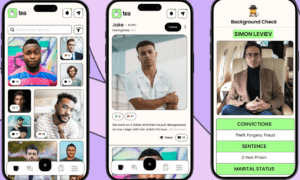
Tea, also known as Tea Dating Advice, is a dating-safety platform created for women. Its public descriptions present it as a place where women can anonymously exchange information about men they may be dating, compare experiences, ask whether others know the same person, and discuss possible red or green flags.
The idea is similar to an online whisper network. Before meeting someone from Tinder, Bumble, Hinge, or another dating platform, a woman may want to know whether anyone else has relevant experience with him. Tea turns those private conversations into a searchable community.
A post may include identifying information such as:
- A first name or nickname
- A photograph or dating-profile screenshot
- An approximate age
- A city or surrounding area
- A social media handle or other identifying detail
- A question, warning, recommendation, flag, or personal account
Tea also promotes dating-safety tools beyond community posts, including identity and background-related checks. However, the feature that generates the most curiosity is the anonymous discussion of individual men.
Why Do People Use Tea?
Online dating asks people to make decisions about strangers using limited information. A polished profile does not prove that someone is single, honest, safe, or even using their own photographs. Tea attempts to reduce that uncertainty through crowdsourced knowledge.
Supporters see the platform as a way for women to warn one another about dangerous behavior, hidden relationships, catfishing, or patterns that may not be visible during the first few dates. It may also help users discover that multiple women are being given conflicting stories by the same person.
Critics point to a different risk: anonymous posts can be incomplete, mistaken, exaggerated, or false. A shared first name and city may identify the wrong person. A screenshot can circulate without the comments that questioned or corrected it. Once a claim is repeated, the number of reactions can make it appear more verified than it actually is.
Both realities can exist at the same time. A community can provide valuable safety information while still requiring careful verification.
Can Men Access the Tea App?
Tea is positioned as a women-focused community, and its participation model is intended to protect that space. Men can see public information about Tea, including its website and general feature descriptions, but they generally cannot legitimately browse the private posts and comments in the same way verified community members can.
That access gap explains why the question “Am I on Tea?” is difficult to answer. A man may hear about a post through a friend, a current date, a coworker, or an ex-partner but receive no screenshot or exact details.
Trying to bypass access controls is not a good solution. Creating a false identity, impersonating someone, borrowing an account without permission, or pressuring another person to break platform rules may create privacy, safety, or legal problems. It can also make an already tense situation worse.
The goal should be lawful verification, not unauthorized access.
What Are the Signs That I May Be on Tea?
There is no notification that automatically tells every man he has been posted. Most people become concerned because of an indirect signal, such as:
- Someone explicitly says they saw his profile or photograph
- A date mentions information he never shared with her
- Several conversations suddenly reference the same allegation
- A friend provides a screenshot or description of a Tea post
- A former partner threatens to post him
- Dating conversations change abruptly after his name or photo is circulated
These signs may justify checking, but none proves that a current post exists. A person could be repeating an old rumor, confusing Tea with a Facebook group, or referring to someone else with a similar name.
The strongest evidence is a complete screenshot that includes enough identifying details to connect the post to the correct person. Even then, context matters. Look for the date, city, photo, age, comments, and any indication that the original claim was challenged or corrected.
How Can I Check Whether I Am on the Tea App?
Start by building an accurate identity list. Write down every first name or nickname you have used on dating profiles, your current and former locations, the approximate ages shown on old profiles, and the photographs that remained public for long periods.
Then ask the person who raised the concern for specific information. Did they see the post themselves? Which city was attached to it? Was there a photograph? Was it a question, a red flag, a green flag, or a written accusation? A direct observation is more useful than a thirdhand summary.
If direct evidence is unavailable, a discreet lookup service such as teachecker can help determine whether a potentially matching Tea post appears to exist. The service uses the details supplied for the search and returns a reviewed outcome rather than giving users unauthorized access to the Tea community.
The quality of the input matters. Searching only a common first name in a large city may create too many possibilities. A nickname, age range, old city, photograph, phone detail, or social handle may help distinguish the correct person from someone with a similar profile.
How Should I Interpret the Result?
A responsible lookup should not force every search into a simple yes or no. Results generally fall into three useful categories:
Found: The available identifiers are strong enough to support a match. Review the complete context before deciding what the post means.
Not Found: No matching post was located using the supplied information. This does not prove that no post has ever existed. The content may have been deleted, posted under different details, or created later.
Possible Match: Some details align, but the evidence is not strong enough to confirm identity. Treat this as a reason to gather more information, not as proof that the post is about you.
The “Possible Match” category is especially important. Digital reputation searches can cause real harm when uncertainty is presented as certainty. A similar name, age, or city should never outweigh conflicting photographs or biographical details.
What Should I Do If I Find a Matching Post?
First, preserve the complete evidence. Save the date, visible comments, identifying details, and full wording. Avoid relying only on a cropped screenshot forwarded through a messaging app.
Next, classify the content. A personal opinion such as “we were not compatible” is different from a specific factual allegation. A red or green flag without explanation is different from a written claim. Impersonation, threats, doxxing, or private images require a different response from ordinary criticism.
Do not immediately confront the person you suspect. Anonymous authors are easy to misidentify, and an angry message can create new evidence against you. Use the platform’s reporting or appeal process where appropriate. For serious false allegations, threats, employment harm, stalking, or disclosure of sensitive information, consider speaking with a qualified attorney in the relevant jurisdiction.
Finally, correct what you control. Make sure your dating profiles use current photographs, accurate relationship information, and consistent details. If a post reveals a genuine misunderstanding or a pattern you regret, changing that behavior is more valuable than trying to fight every comment online.
The Bottom Line
Tea is a women-focused dating-safety community where users can anonymously exchange information and experiences about men they may date. Its private structure means the subject of a post may hear about it without being able to confirm it directly.
If you are asking, “Am I on the Tea app?” begin with evidence, not assumptions. Confirm the name, location, age, photograph, and full context. Avoid fake accounts and other attempts to bypass access restrictions. If you still need clarity, teachecker can provide a discreet factual starting point.
Being mentioned online can feel personal and urgent. The best response is slower and more disciplined: verify identity, preserve context, distinguish fact from opinion, and act only on what the evidence actually supports.