
What Is the Best Home Surveillance Camera System?

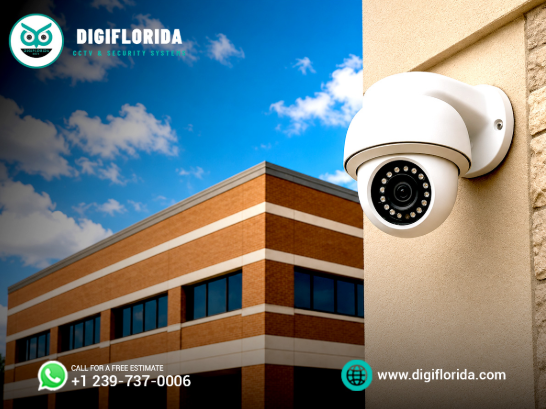
Choosing the right home security system could be one of the most challenging tasks you have up your sleeve. Not because it requires you to know all about surveillance camera systems, but because there are tons of options that are available in the market. However, the best system is not necessarily the one with the most features. It is the one that fits your property, security concerns, and budget.
Before choosing a system, homeowners should consider camera placement, video quality, storage, connectivity, and professional support. It is also helpful to understand the surveillance camera system installation cost before making a final decision.
Therefore, here is a brief guide to the right home surveillance camera system and what works best in your favor.
What Makes a Good Home Surveillance Camera System?
A reliable surveillance system should provide clear footage, dependable coverage, and convenient access. Start by identifying the areas you want to monitor. Common locations include front doors, driveways, backyards, garages, and other entry points.
The following features can make a noticeable difference:
- High-resolution video:Clear footage makes it easier to identify people, vehicles, and other details.
- Night vision:Cameras should provide useful images in low-light conditions.
- Motion detection:Smart alerts can notify you when activity occurs in a monitored area.
- Remote access:Mobile apps allow homeowners to view live footage when they are away.
- Weather resistance:Outdoor cameras need protection from rain, heat, humidity, and changing conditions.
- Reliable storage:Cloud and local storage options allow homeowners to retain recordings for later review.
The right combination depends on your property and how you plan to use the system.
Understanding Surveillance Camera System Installation Cost
Even before you choose the right surveillance camera system for your home, one of the very first questions that crosses your mind is about surveillance camera system installation cost. Unfortunately, there is no single price that applies to every home. Installation requirements can vary considerably.
Several factors influence the overall expense.
Number of Cameras
A small property may only need a few strategically placed cameras. Larger homes may require additional units to cover multiple entrances, outdoor areas, and blind spots. More cameras generally mean higher equipment and installation costs.
Camera Type and Features
Basic cameras typically cost less than models with advanced features such as higher resolution, enhanced night vision, intelligent motion detection, or two-way audio. Choosing features based on actual security needs can help prevent unnecessary spending.
Installation Complexity
A straightforward installation may require less labor than a system involving long cable runs, multiple floors, difficult mounting locations, or extensive wiring. Existing infrastructure can also affect the installation process.
Storage and Networking
Homeowners should also consider how footage will be stored and how cameras will connect to the network. Some systems use cloud storage, while others rely on local recording devices. These choices can affect both initial and ongoing costs.
For this reason, getting a property-specific estimate is usually more useful than relying on a general price range.
Wired vs. Wireless Security Cameras
Another important decision is whether to choose wired or wireless cameras.
Wired systems can provide a stable connection and are often suitable for homeowners who want a permanent setup. However, installation may require more planning, particularly when cables need to pass through walls or ceilings.
Wireless systems can offer greater flexibility and may be easier to install in certain properties. However, they depend on a reliable wireless network and may require attention to battery life if they are battery-powered.
Neither option is automatically best. The ideal choice depends on the home’s layout, network reliability, and long-term security requirements.
Why Professional Installation Can Be Worth Considering
Installing cameras yourself may appear simple, but effective surveillance involves more than mounting a camera on a wall. Poor placement can leave important areas uncovered or create unnecessary blind spots.
A professional can assess the property and determine suitable camera locations. They can also handle wiring, connections, configuration, and testing. Working with an experienced security camera company in Fort Myers can be especially useful when a homeowner needs a complete system rather than a few individual cameras.
Professional installation can also help ensure that cameras are positioned to capture useful footage without unnecessarily monitoring neighboring properties or private spaces.
How to Choose the Right System for Your Home
Before purchasing equipment, consider these questions:
- Which areas need the most protection?
- How many cameras are actually necessary?
- Do you need indoor, outdoor, or both types of cameras?
- Would wired or wireless equipment work better?
- How long should recordings be stored?
- Do you need remote viewing and mobile alerts?
- What installation requirements could affect the total cost?
Answering these questions can narrow down your choices and help you avoid paying for features you may never use.
The Best System Is the One That Fits Your Needs
There is no universal surveillance camera system that works perfectly for every home. The best option balances coverage, video quality, reliability, usability, and budget.
Understanding the surveillance camera system installation cost is an important part of that decision. Instead of choosing equipment based only on price, evaluate the entire setup and the protection it is designed to provide. A properly planned system can give homeowners clearer visibility around their property and make everyday security easier to manage.





Comment