
What Box Truck Owner Operators Should Look for When Choosing a Carrier Partner

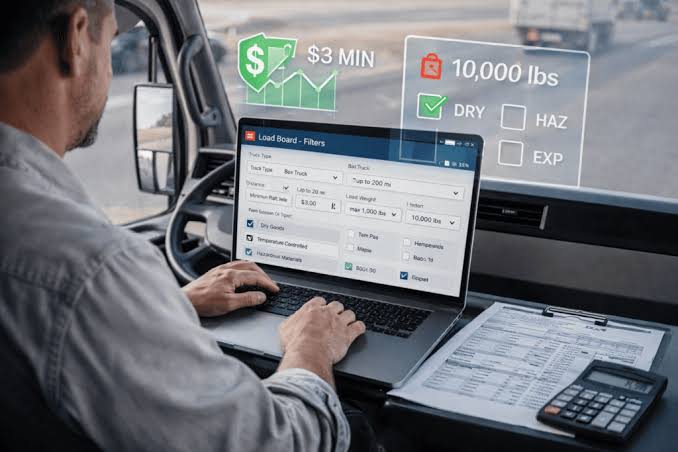
For independent box truck owner operators, choosing a carrier partner is an important business decision. The right partnership can help connect an owner operator with freight opportunities, provide dispatch coordination, and make daily operations easier to manage. The wrong arrangement, however, can lead to unexpected expenses, unclear payment terms, wasted miles, and unnecessary stress.
A carrier partnership should be evaluated like any other business relationship. Before signing an agreement, owner operators need to understand how loads are offered, what equipment is required, how compensation is calculated, and which costs remain their responsibility.
Taking time to compare these details can help truck owners make informed decisions and protect the long-term profitability of their businesses.
1. Understand the Equipment Requirements
Not every carrier accepts every type of box truck. Requirements may vary according to freight dimensions, delivery locations, customer expectations, and the services a carrier provides.
Before applying, confirm the equipment specifications that matter for the loads you expect to haul. These may include truck length, interior height, payload capacity, cargo securement equipment, liftgate availability, and the condition of the vehicle. Some freight may also require pallet jacks or other loading equipment.
Ask the carrier:
- What box truck sizes and configurations are currently accepted?
- Is a liftgate required for particular loads?
- Are there vehicle age, inspection, or maintenance standards?
- What insurance coverage and documentation must be provided?
- Are there specific requirements for handling or securing freight?
Do not purchase equipment or make expensive modifications based on assumptions. Obtain the carrier’s current requirements in writing and confirm that your truck is suitable before committing money to the partnership.
2. Evaluate Available Freight and Lanes
The number of loads a carrier advertises is less important than whether its freight opportunities match your business goals. A carrier might offer regional deliveries, longer-distance transportation, partial loads, or specialized delivery services. However, availability can change with customer demand, seasonality, and operating conditions.
Consider where you prefer to operate. Some owner operators want to return home frequently, while others are comfortable traveling across multiple states. The best arrangement depends on your location, schedule, fuel budget, and willingness to spend time away from home.
Ask about the lanes currently available to box truck operators, how freight opportunities are communicated, and whether return loads are commonly available on your preferred routes. Request realistic information about empty miles, pickup and delivery windows, and the flexibility to decline loads that do not fit your operation.
Avoid making financial plans around verbal promises of consistent freight. Ask what opportunities are available now and how the carrier handles periods when demand is lower than expected.
3. Assess Dispatch Support and Load Coordination
Dispatch support can make a meaningful difference in how efficiently an owner operator manages a trucking business. Clear coordination helps drivers understand pickup instructions, delivery appointments, customer requirements, and changes that arise during a trip.
Before partnering with a carrier, find out who assigns loads and how dispatchers communicate with drivers. Determine whether instructions are provided through phone calls, text messages, email, or a dispatch platform.
It is also important to understand what happens when a shipment is delayed, a pickup location changes, or a customer is unavailable. Ask whether dispatch staff can help resolve scheduling problems and communicate with the relevant parties.
Useful questions include:
- Is dispatch support available outside regular business hours?
- Who handles delays, missed appointments, and delivery updates?
- How are load details and special instructions documented?
- Can owner operators discuss preferred lanes and scheduling needs?
- What is the process for reporting a breakdown or other emergency?
A dependable dispatch arrangement should have clear responsibilities and practical communication procedures. Confirm the actual support available rather than assuming that every carrier operates around the clock.
4. Understand Compensation and Payment Terms
Revenue is only one part of an owner operator’s financial picture. The way a carrier calculates compensation determines how much money a business may retain after operating expenses.
Before accepting loads, understand whether compensation is based on a percentage of the load revenue, a fixed rate per shipment, mileage, or another agreed method. Ask how rates are communicated and whether the carrier provides written load confirmations.
Payment timing also deserves careful attention. Confirm when invoices or delivery documents must be submitted, how long payment processing normally takes under the proposed agreement, and what happens if paperwork is incomplete or a customer disputes a shipment.
Clarify whether any circumstances can affect payment, including cancellations, delivery delays, rejected freight, or missing documentation.
Do not compare carrier offers using headline revenue alone. Calculate the likely net amount after fuel, maintenance, insurance, and other business expenses. A lower-paying load with fewer empty miles may sometimes make more financial sense than a higher-paying load with substantial unpaid travel.
5. Review Deductions and Operating Expenses
Unexpected deductions can quickly reduce an owner operator’s take-home business income. Before signing, request a complete explanation of every deduction that may apply.
Depending on the arrangement, relevant charges could include insurance-related costs, administrative fees, equipment expenses, advances, or other contractually agreed items. This list is not a statement that any particular carrier charges these fees; it is a starting point for reviewing the proposed agreement.
Ask whether deductions are fixed or variable, how they are calculated, and whether supporting statements are provided with settlements. Confirm who pays for fuel, tolls, parking, repairs, permits, and other operating expenses.
Build a realistic operating budget that accounts for both routine and unexpected costs. Fuel and preventive maintenance are obvious expenses, but tires, breakdowns, downtime, and empty miles can also affect profitability.
A useful practice is to calculate the cost of operating each mile, including miles traveled without a paying load. This provides a clearer picture of whether an opportunity supports your business goals.
6. Check Communication and Professionalism
A carrier relationship requires cooperation between independent businesses. Clear, timely communication helps prevent misunderstandings about freight availability, paperwork, payment, and customer expectations.
Pay attention to how the carrier responds during the initial discussion. Are questions answered directly? Are important terms explained clearly? Does the representative provide written information when requested?
You should also know whom to contact when an issue arises and how quickly you can reasonably expect a response. Ask how operational updates, delivery confirmations, and payment questions are handled.
Be cautious if a representative avoids discussing fees, pressures you to sign immediately, or makes promises without providing supporting details. Professional communication before onboarding can offer useful insight into how the relationship may function later.
7. Read the Contract Before Committing
An owner operator agreement should explain the business relationship, compensation structure, responsibilities, and conditions for ending the arrangement. Never rely exclusively on a phone conversation or an informal message when important financial obligations are involved.
Read the provisions covering payment, deductions, insurance, liability, cargo claims, equipment standards, load acceptance, and termination. Check whether the agreement includes exclusivity restrictions, minimum commitments, notice periods, or penalties for ending the relationship.
Confirm how disputes are handled and whether the carrier can change rates, fees, or operating requirements without your written agreement. If a provision is unclear, request clarification before signing.
Consider having a transportation attorney or qualified business adviser review the contract, particularly if it includes substantial financial commitments or complicated liability provisions.
Remember that an owner operator opportunity is a business arrangement, not necessarily salaried employment. Understand the responsibilities you retain as an independent business owner, including taxes, insurance, and operating expenses as applicable to your arrangement.
8. Research the Carrier and Its Current Opportunities
Before partnering with any trucking company, research its business information, operating history, and reputation. Where applicable, review official carrier records and verify relevant registration, operating authority, and insurance information. Independent reviews can provide additional context, but they should not replace direct verification.
For owner operators exploring opportunities in Indiana, Vikings LLC is a carrier based in Hammond, Indiana, that publicly invites box truck owner operators to discuss potential partnerships. Its website describes an initial conversation about equipment, preferred lanes, current freight opportunities, compensation, deductions, dispatch arrangements, qualifications, and onboarding.
These published details provide a starting point for a discussion, not a guarantee of available loads, specific payment terms, or acceptance of every truck. Interested owner operators should contact Vikings LLC directly to confirm current opportunities, equipment requirements, and the complete terms of its program before making a decision.
Use the same approach when evaluating other carriers: investigate the company, ask specific questions, and compare written terms rather than relying solely on promotional statements.
9. Ask the Right Questions Before Signing
A focused conversation can reveal whether a carrier’s operating model fits your needs. Prepare a list of questions and request written answers wherever practical.
Before committing, make sure you understand:
- Which trucks qualify, and what documents are required?
- Which freight lanes are available to owner operators right now?
- How are loads assigned, accepted, and confirmed?
- How is compensation calculated, and when are settlements paid?
- Which deductions may appear on settlement statements?
- Who is responsible for fuel, insurance, maintenance, and other costs?
- What dispatch and after-hours support is available?
- Are there minimum commitments, exclusivity clauses, or termination fees?
- What happens when a load is canceled, delayed, or disputed?
- Can you review the complete agreement before onboarding?
If the answers are incomplete, take time to gather the missing information. A carrier that fits your business should be willing to explain its expectations and allow you to evaluate the arrangement carefully.
Conclusion
Choosing a carrier partner is about more than finding the next load. Box truck owner operators need an arrangement that aligns with their equipment, preferred routes, operating budget, communication needs, and long-term business plans.
Evaluate freight opportunities realistically, calculate expenses carefully, examine payment terms, and read the agreement before making a commitment. Research the carrier and confirm its current requirements directly.
A well-informed decision can help you avoid preventable surprises, manage cash flow more effectively, and build a trucking business on clear expectations and a professional working relationship.
Frequently Asked Questions
1. What should box truck owner operators look for in a carrier partner?
Box truck owner operators should evaluate equipment requirements, available freight lanes, dispatch support, compensation terms, deductions, operating expenses, and contract conditions. Choosing a carrier with clear communication and transparent expectations can help owners make informed business decisions.
2. How can owner operators determine whether a carrier’s loads are profitable?
Owner operators should calculate expected revenue after accounting for fuel, maintenance, insurance, tolls, empty miles, and other operating expenses. They should also consider pickup and delivery schedules, route distances, and the likelihood of finding return loads before accepting a shipment.
3. What questions should owner operators ask about payment terms?
They should ask how compensation is calculated, when payments are processed, what paperwork is required, and which deductions may apply. It is also important to understand how the carrier handles canceled loads, payment disputes, and incomplete delivery documentation.
4. Does Vikings LLC offer opportunities for box truck owner operators?
Yes, Vikings LLC, based in Hammond, Indiana, publicly offers opportunities for box truck owner operators. Interested drivers should visit the Vikings LLC website and contact the company directly to confirm current opportunities, equipment requirements, compensation terms, and program conditions.
5. Why should box truck owner operators review a carrier agreement before signing?
Reviewing the agreement helps owner operators understand their financial responsibilities, payment arrangements, potential deductions, insurance obligations, liability, and termination conditions. Reading the terms carefully and seeking professional advice when necessary can help prevent misunderstandings and protect their businesses.







Comment