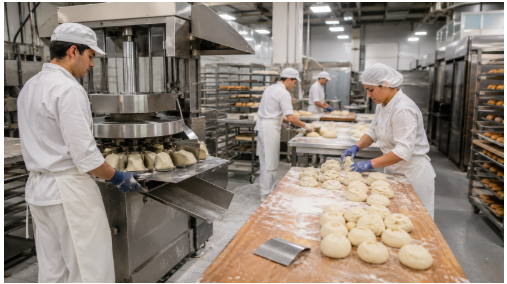
Buying bakery equipment is an important decision because the machine may remain part of the production line for many years. A poor choice can create delays, increase maintenance costs, or fail to handle the bakery’s normal recipes. A suitable machine, however, can improve consistency, reduce repetitive work, and make daily production easier to manage.
Before purchasing a Dough Divider, bakery owners should study their actual production needs instead of selecting equipment only by price or appearance. Dough type, batch size, portion weight, available space, cleaning requirements, and expected business growth should all be considered. Careful planning helps ensure that the selected machine supports both present and future operations.
Start With the Products You Make
The first step is to list the products that will be processed through the machine. A bakery producing dinner rolls may have different requirements from a business preparing pizza dough, sandwich buns, flatbreads, or large bread loaves.
Each product has its own target weight and production method. Small rolls require lighter portions, while loaves and pizza bases may need larger pieces. Some bakeries produce only one main product, while others change recipes several times during the day.
Knowing the product range helps the bakery identify the portion sizes and dividing capacity it actually needs. It also prevents the business from buying a machine that works well for one product but cannot support the rest of the menu.
Understand the Behaviour of Your Dough
Not every dough behaves in the same way. Hydration level, flour type, fat content, sugar, eggs, fermentation, and temperature can all affect how dough responds during dividing.
Firm bread dough may be easier to portion than very soft or highly hydrated dough. Enriched dough used for sweet buns can also have a different texture from basic lean dough. A machine should handle the bakery’s regular recipes without creating unnecessary sticking, tearing, or compression.
Bakery owners should discuss their dough characteristics with the equipment supplier. When possible, testing the machine with a normal production recipe can provide more useful information than relying only on general specifications.
Check the Required Portion Range
Portion range is one of the most important factors in equipment selection. The machine must be able to divide dough into the weights required by the bakery.
A business producing several products should compare the minimum and maximum portion sizes supported by the equipment. If the range is too limited, the bakery may still need to divide some products manually.
It is also important to consider future menu changes. A bakery may currently produce medium-sized rolls but later add smaller snack products or larger specialty loaves. Choosing a practical portion range can provide more flexibility as the business develops.
Look at Portion Accuracy
The purpose of dividing equipment is not only to increase speed. It should also help produce pieces that are close to the intended weight.
Accurate portions support more predictable baking, packaging, pricing, and ingredient usage. When each piece is too heavy, the bakery may lose money by giving away additional dough. When pieces are too light, products may fail to meet customer expectations.
No production process is completely free from variation, but the equipment should deliver reliable results when it is used correctly. Bakery managers should ask how accuracy is maintained and whether different dough types require adjustments.
Match Capacity to Daily Output
A machine should be selected according to the bakery’s real production volume. Buying equipment with too little capacity may create another bottleneck. Buying a machine that is much larger than necessary can increase costs and use valuable floor space.
Owners should calculate how much dough is prepared during a normal shift and during the busiest periods. They should also consider how many batches are processed each day.
A bakery with seasonal demand may need additional capacity during holidays, weekends, or large catering orders. Selecting equipment based only on the quietest production days may lead to problems when demand increases.
The right capacity should support normal output while providing enough room for reasonable growth.
Consider How Hydraulic Operation Fits the Process
Hydraulic systems use controlled pressure to perform the dividing action. This type of operation can support efficient portioning while reducing the need for repeated manual cutting and weighing.
A hydraulic Dough Divider may be useful for bakeries that regularly process larger batches and want a more controlled dividing process. However, the machine should still be matched to the dough, portion requirements, and available production space.
Operators should understand how the hydraulic controls work, how pressure is managed, and which inspections are required. Proper training helps protect both product quality and equipment performance.
Review the Impact on Dough Quality
Speed is valuable, but it should not come at the cost of dough quality. Dough contains gas and structure developed during mixing and fermentation. Excessive pressure or rough handling may affect the final product.
Bakery teams should observe the dough after dividing. The portions should remain suitable for rounding, shaping, proofing, and baking. Signs of unnecessary tearing, flattening, or damage may indicate that the machine settings or dough condition need attention.
The most suitable equipment should divide the batch efficiently while keeping the dough in good condition for the next production stage.
Choose Simple and Practical Controls
Bakery equipment should be straightforward for trained employees to operate. Complicated controls can increase training time and create errors during busy shifts.
Operators should be able to understand the loading process, machine settings, dividing cycle, safety steps, and shutdown procedure. Clear controls can make it easier for different staff members to produce consistent results.
The bakery should also consider how quickly the machine can be prepared for a new batch. If changing settings between products is difficult, the equipment may slow production in a bakery with a varied menu.
Simple operation does not mean staff training is unnecessary. Every employee using the machine should receive clear instructions before working independently.
Examine Cleaning and Hygiene Features
Cleaning is a major concern in food production. Dough residue may collect on surfaces, around dividing sections, or inside areas that are difficult to reach.
Before purchasing equipment, the bakery should check which parts come into contact with dough and how easily they can be cleaned. Removable components, accessible surfaces, and clear cleaning instructions can make daily hygiene routines more manageable.
Operators should know which cleaning products are approved and which parts must remain dry. The machine should always be safely switched off before cleaning or inspection.
Equipment that is difficult to clean may increase labour time and create hygiene risks. Cleaning convenience should therefore be treated as an important buying factor, not a minor detail.
Measure the Available Floor Space
Bakery production areas are often crowded with mixers, tables, ovens, proofers, racks, sinks, and packaging equipment. A new machine must fit into the available space without blocking movement.
Owners should measure the proposed installation area carefully. They should include space for loading dough, operating controls, removing portions, cleaning, and maintenance access.
The position of the machine is also important. Ideally, dough should move from mixing or resting to dividing and then to rounding, shaping, or proofing without unnecessary travel.
A poorly placed machine can increase employee movement and reduce the efficiency it was meant to create.
Check Safety Requirements
Any machine using pressure and moving components must be operated responsibly. Bakery owners should review the safety features and ensure that employees understand proper procedures.
Emergency controls, protective covers, safe loading practices, and shutdown steps should be clearly explained. Staff should never place hands near moving parts or attempt to clean the machine while it is operating.
The bakery should also establish rules for reporting faults. Unusual noises, movement, leaks, or changes in performance should be inspected before the equipment continues operating.
Good safety practices protect employees and reduce the risk of production interruptions.
Ask About Maintenance Needs
All bakery equipment requires some level of maintenance. Owners should ask what routine checks are needed, how often servicing is recommended, and which components may require replacement over time.
Hydraulic parts, seals, controls, and moving components may need regular inspection. Ignoring small issues can lead to inaccurate operation or unexpected breakdowns.
A maintenance schedule should be created as soon as the machine is installed. Staff can record cleaning, inspections, repairs, and servicing dates. These records make it easier to identify recurring problems and plan preventive maintenance.
The availability of replacement parts should also be considered before purchasing.
Consider Training and Technical Support
Even a well-designed machine may not deliver the expected results when operators are not properly trained. The supplier should provide clear operating guidance, safety information, and maintenance instructions.
Bakery owners should ask whether installation support, training materials, troubleshooting assistance, and spare parts are available. Reliable support can be especially valuable during the first weeks of operation.
Technical assistance may also help the bakery adjust the process for different dough types. A supplier with knowledge of commercial bakery production can provide more useful support than one offering equipment without practical guidance.
Compare Price With Long-Term Value
Purchase price is important, but it should not be the only factor. A cheaper machine may become expensive if it requires frequent repairs, produces inaccurate portions, or cannot handle the bakery’s workload.
Long-term value includes production speed, labour savings, portion control, durability, maintenance costs, and expected service life.
Bakery owners should compare how the machine may affect daily operations. If it reduces repeated weighing, limits ingredient loss, and supports higher production, the investment may provide value beyond the initial price.
The goal is not simply to buy equipment. The goal is to improve the production process in a practical and measurable way.
Test Before Making the Final Decision
When possible, bakeries should request a demonstration or trial using their own dough. A real test can reveal how the machine performs with the bakery’s normal batch size, hydration, and portion requirements.
During the test, the team should examine portion accuracy, dough condition, operating speed, control simplicity, and cleaning access.
Employees who will use the equipment should also be involved in the evaluation. Their feedback can identify practical issues that may not be obvious from a brochure or specification sheet.
Testing creates greater confidence and reduces the risk of selecting unsuitable equipment.
Final Thoughts
Choosing dough portioning equipment requires careful attention to products, recipes, capacity, accuracy, hygiene, space, safety, and maintenance. The best machine is one that fits naturally into the bakery’s existing process and supports its long-term production goals.
Bakery owners should avoid making the decision based only on price or maximum capacity. A machine must work reliably with the dough being produced, remain manageable for employees, and provide consistent portions throughout daily operation.
By evaluating practical needs before purchasing, bakeries can make a more informed investment and build a production system that is easier to control. For professional dough-processing solutions designed for commercial bakery environments, mirabake.com offers equipment suited to modern production needs.
Read More From Techbullion