Parents often wonder when their child is ready to start using an electric toothbrush. Kids electric toothbrushes are what SuperMouth specializes in, find out more at https://supermouth.com/collections/kids-electric-toothbrushes, with colourful designs, small brush heads, and features made for young users, kids’ electric toothbrushes can make brushing more engaging. However, choosing the right toothbrush depends less on a specific age and more on a child’s development, comfort, and ability to use the brush safely.
When Can Kids Start Using an Electric Toothbrush?
Many children can begin using a kids’ electric toothbrush around age 3, provided the product is specifically designed for their age group and the child can follow simple brushing instructions. Some manufacturers make electric toothbrushes for younger children, while others recommend them for ages 3 and up.
For children under 3, parents should generally focus on using an appropriately sized manual toothbrush and helping the child establish a regular brushing routine. Parents should also follow their dentist’s recommendations and the age guidance provided with the toothbrush.
The important point is that an electric toothbrush is not automatically better simply because it is electric. Proper brushing technique and consistent brushing are more important than the type of toothbrush.
Choosing an Electric Toothbrush by Age
Children develop their brushing skills gradually, so their toothbrush should match their abilities.
Ages 0–2: Focus on Gentle Brushing
Babies and toddlers need oral care even before they have many teeth. Parents can use a small, soft-bristled toothbrush designed for infants and toddlers. At this stage, an electric toothbrush usually isn’t necessary.
The goal is to introduce brushing as part of the daily routine. Parents should do the actual brushing and keep the experience short and gentle.
Ages 3–5: Introduction to Electric Brushing
Around age 3, some children may be ready for a child-sized electric toothbrush. Look for features such as:
- A small brush head
- Soft bristles
- A comfortable, easy-to-hold handle
- Simple controls
- Age-appropriate design
- A built-in timer, if available
Parents should supervise brushing and help children reach areas they may miss. A child may be able to hold and move the toothbrush independently, but that doesn’t necessarily mean they can clean every tooth effectively.
Ages 6–8: Building Independence
School-age children can usually participate more actively in their oral-care routine. An electric toothbrush with a timer can help them brush for the recommended amount of time.
Parents should still check their child’s brushing occasionally. Children may rush, concentrate on their favourite teeth, or overlook the back teeth and gumline.
Ages 9 and Up: Developing Consistent Habits
Older children can generally manage brushing with less supervision, although individual abilities vary. At this age, an electric toothbrush may be useful for children who have difficulty maintaining consistent brushing movements.
Some older kids may also prefer an electric toothbrush because it feels more convenient or enjoyable to use.
What Makes an Electric Toothbrush Suitable for Kids?
Age isn’t the only consideration. When choosing a toothbrush, parents should look at the overall design.
- Soft bristles: Children’s gums can be sensitive, so soft bristles are a good choice.
- Small brush head: A smaller head can make it easier to reach children’s smaller mouths and back teeth.
- Easy-to-grip handle: A lightweight handle can be easier for smaller hands to control.
- Timer: A two-minute timer can encourage children to brush for an appropriate amount of time.
- Simple operation: Young children may become frustrated with complicated buttons or settings.
- Age recommendation: Always check the manufacturer’s recommended age range before purchasing.
Should Parents Still Help?
Yes. An electric toothbrush does some of the brushing work, but it doesn’t automatically teach a child where to brush or how much attention to give each area.
Young children generally need hands-on assistance. As they grow, parents can gradually allow them to take more responsibility while continuing to supervise when necessary.
A useful approach is to let the child brush first and then have a parent finish the areas the child missed. This can help children develop independence while maintaining good oral hygiene.
Is an Electric Toothbrush Better Than a Manual Toothbrush?
Not necessarily for every child. Both manual and electric toothbrushes can be effective when used correctly and consistently.
An electric toothbrush may be particularly appealing to children who:
- Find brushing boring
- Have trouble using consistent brushing movements
- Enjoy interactive features
- Benefit from a built-in timer
- Prefer the feel of an electric brush
On the other hand, a manual toothbrush may be simpler for a child who prefers straightforward brushing.
The best toothbrush is often the one the child will use properly and regularly.
How to Make Electric Toothbrushing Easier
Introducing a new toothbrush can be an opportunity to make brushing more enjoyable. Parents can allow children to choose an age-appropriate color or design, demonstrate how the toothbrush works, and establish a consistent morning-and-night routine.
Avoid treating brushing as a competition or putting pressure on a child to brush aggressively. Gentle, thorough brushing is the objective.
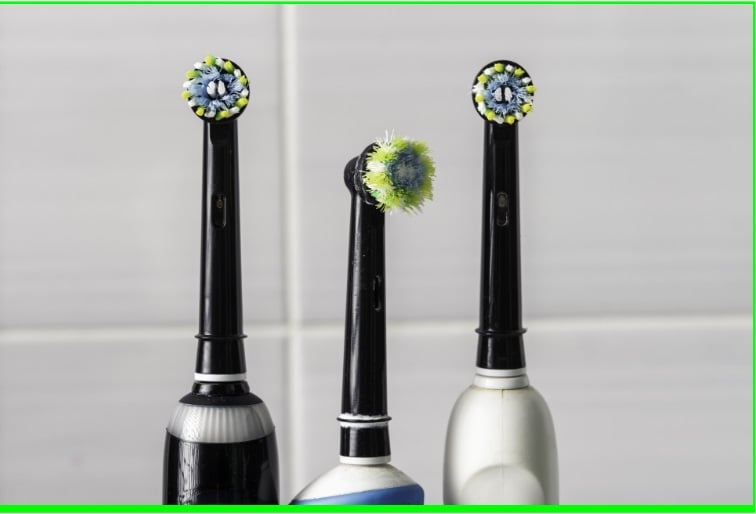
Parents should also replace toothbrush heads according to the manufacturer’s recommendations and replace them sooner if the bristles become visibly worn or damaged.
When Should You Ask a Dentist?
A child’s dentist can provide personalized guidance about toothbrush selection, brushing technique, and when a child is ready to take greater responsibility for brushing.
If a child has sensitive gums, dental appliances, enamel concerns, or other oral-health needs, it is especially helpful to ask the dentist which toothbrush and brushing method are appropriate.
There isn’t one exact age when every child should switch to an electric toothbrush. Around age 3 can be a reasonable starting point for some children, as long as they use an age-appropriate model and have adult supervision. Younger children generally benefit from a simple manual toothbrush and hands-on parental assistance.
Ultimately, the most important factors are soft bristles, an appropriately sized brush, gentle technique, regular brushing, and parental guidance. As children grow and their coordination improves, they can gradually take more control of their daily oral-care routine.