
What a Premium Window Dealer Offers That Big Box Stores Cannot

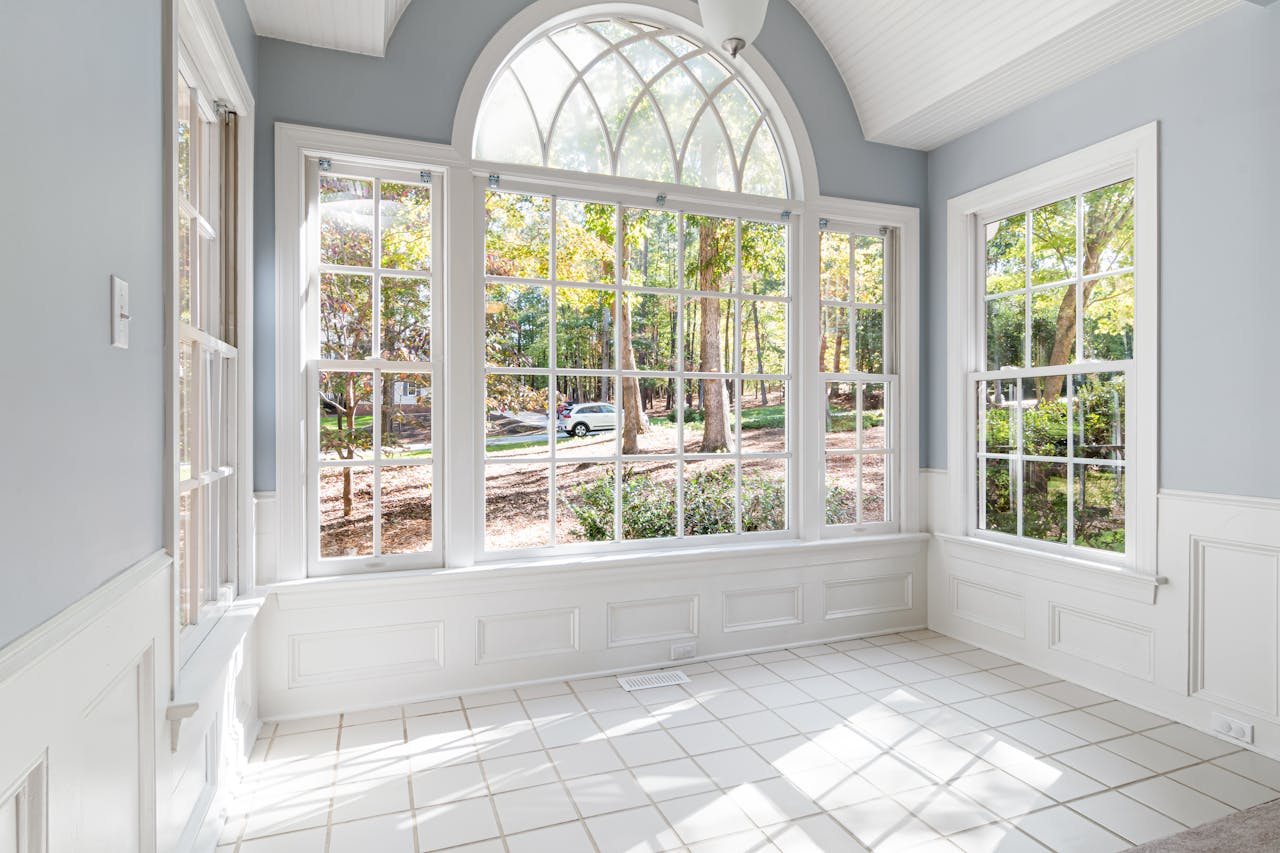
Window choices affect insulation, moisture control, upkeep, daylight, and visual balance for years after purchase. A warehouse aisle can display labels and sale pricing, yet it rarely explains how glazing, frame composition, and site conditions interact. Premium dealers close that gap with measured advice, specification support, and dependable follow-through. That guidance carries weight because the U.S. Department of Energy reports that windows account for 25 percent to 30 percent of residential heating and cooling energy use.
Guidance Before Product
Early selection often shapes the entire project. In those first discussions, a trusted Marvin Windows dealer can interpret efficiency ratings, compare frame types, and relate glass packages to regional weather, opening size, and architectural style. Buyers gain clearer expectations before placing orders, which helps prevent mismatched units, budget overruns, and performance complaints that usually arise after installation.
Showroom Access
Showroom access changes how people judge a product. A full-size display reveals frame depth, latch feel, finish texture, grille pattern, and sightline proportion in ways a shelf sample cannot. That physical review reduces guesswork during specification. It also helps homeowners and builders compare operating styles, corner construction, and interior detail before committing money to a large purchase.
Performance Numbers
Performance labels mean little without interpretation. U-factor, solar heat gain coefficient, visible transmittance, and air leakage each influence comfort, glare, and seasonal energy demand. Large retail settings often stop at glass count and basic frame material. A premium specialist usually connects those numbers to room orientation, occupant needs, and expected indoor conditions, so decisions rest on measurable outcomes rather than broad sales language.
Climate Tuning
Climate exposure changes what works best. West-facing rooms may need stronger solar control, while colder regions benefit from lower U-factor values and tighter air-sealing. ENERGY STAR states that replacing single-pane units with certified models can cut household energy bills by up to 13 percent nationwide. Results vary, though, because savings depend on the right specification for sun load, temperature swing, and local weather patterns.
Installation Accountability
Even a strong product can disappoint after poor installation. Flashing errors, weak shimming, uneven fastening, or sloppy sealing can lead to drafts, water intrusion, and avoidable service calls. The Department of Energy notes that efficient windows still require proper placement to achieve expected performance. Premium dealers often coordinate trained installers, written scopes, and follow-up support, which gives owners a single point of accountability if problems arise.
Custom Sizing
Older homes rarely offer perfect openings. Walls can be out of square, trim depths may vary, and replacement conditions often reveal hidden framing issues. A premium dealer can order around those facts rather than forcing a close-enough size. That precision reduces filler, preserves intended sightlines, and improves finished appearance. Careful field measurement also reduces the risk of delays caused by preventable ordering errors.
Design Continuity
Windows influence both exterior character and interior calm. Consistent grille layouts, casing profiles, hardware finishes, and door pairings help a house read as a single, cohesive composition. Big box inventories often pull from unrelated lines, which can create visual conflict from room to room. Premium dealers usually guide those choices across the entire project, helping additions, remodels, and new construction stay visually coherent.
Material Depth
Material choice affects long-term behavior more than many buyers expect. Fiberglass resists movement during temperature shifts, wood changes the interior feel, and exterior cladding can reduce maintenance demands over time. Each option carries tradeoffs in durability, finish care, and visual character. A knowledgeable dealer explains those differences in clear language, helping teams choose materials that fit the climate, architecture, and expected upkeep capacity.
Service After Sale
Support after the sale often separates commodity retail from specialist service. Hardware adjustments, finish questions, replacement parts, and warranty claims move faster when one source knows the original order. Large chains may route those issues through several departments with limited project memory. A premium dealer keeps records close, shortens troubleshooting time, and helps later phases match earlier specifications without unnecessary confusion.
Long Term Value
The initial price tells only part of the story. A lower receipt can hide future labor corrections, weaker thermal performance, shorter finish life, or recurring comfort complaints during extreme seasons. Premium dealers frame value through verified ratings, accurate specifications, and dependable post-delivery support. Over many years, fewer repairs, steadier indoor conditions, and better durability can outweigh a modest difference at purchase.
Conclusion
Big box stores can work for simple commodity purchases, yet windows rarely fall into that category. Each unit affects weather resistance, indoor comfort, maintenance load, daylight quality, and overall design character at once. Premium dealers offer profound product knowledge, more accurate specifications, custom ordering, and stronger accountability after delivery. For homeowners and builders planning a major project, that added guidance can reduce costly errors and support better long-term performance.







Comment