Streaming platforms often invest heavily in marketing campaigns to attract audiences, only to lose them after a few weeks or months due to preventable product issues. Customer churn is one of the most important metrics for any streaming business because it directly impacts recurring revenue, customer lifetime value, and profitability.
Even a small increase in churn can significantly affect subscription-based business models, making retention strategies just as critical as customer acquisition efforts.
The good news is that churn is rarely caused by a single issue. Instead, it usually results from multiple product decisions that influence user satisfaction over time.
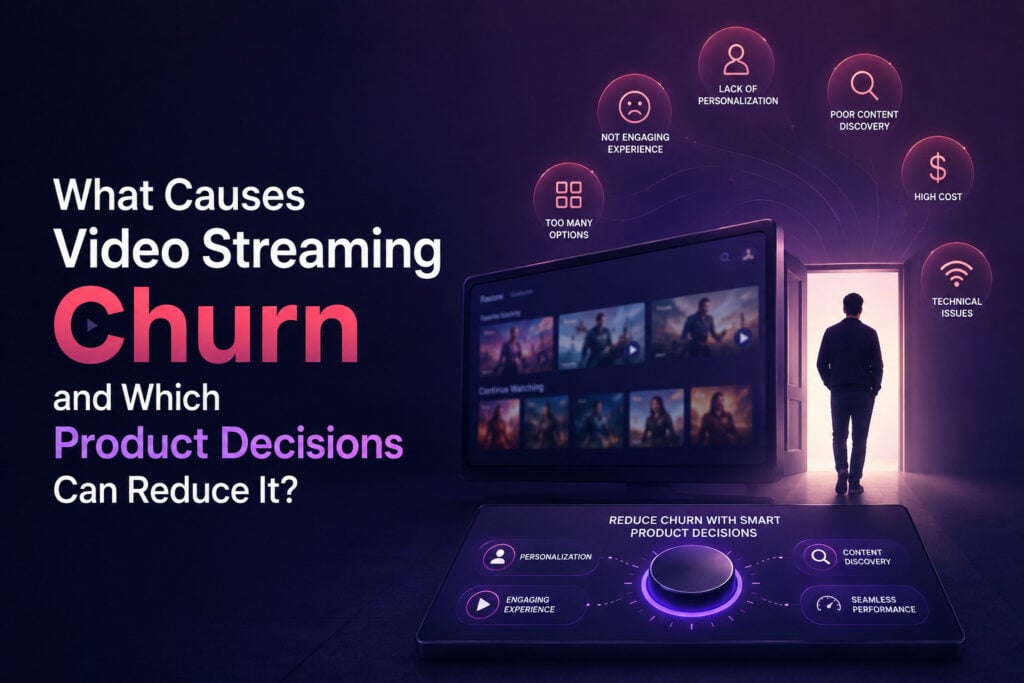
In this article, we will explore the leading causes of video streaming churn and the product decisions that can effectively reduce it.
Understanding Video Streaming Churn
Churn refers to the percentage of users who cancel their subscriptions or stop using a streaming platform over a specific period.
There are two primary types of churn:
- Voluntary churn: Users intentionally cancel because they no longer see enough value.
- Involuntary churn: Users lose access due to failed payments, expired cards, or billing issues.
Most streaming companies focus on reducing voluntary churn because it reflects user satisfaction and product quality.
1. Poor First-Time User Experience
First impressions determine whether users continue exploring a platform. Many subscribers leave within the first week because onboarding fails to demonstrate the platform’s value.
Experienced video streaming app developers often prioritize onboarding experiences that help users quickly discover personalized content, understand platform features, and begin watching within minutes. A smooth introduction significantly improves user retention during the critical early stages.
Effective onboarding should include:
- Personalized recommendations
- Genre selection
- Watchlist creation
- Device setup guidance
- Profile customization
Reducing unnecessary steps allows users to enjoy content sooner.
2. Weak Content Discovery
Even the largest content libraries become ineffective if users cannot find something interesting.
Users frequently abandon platforms because:
- Search results are inaccurate.
- Recommendations feel repetitive.
- Categories are confusing.
- Trending sections become outdated.
Improving discovery requires intelligent recommendation engines that combine:
- Viewing history
- Search behavior
- Watch duration
- User ratings
- Seasonal trends
The faster users find engaging content, the less likely they are to leave.
3. Buffering and Streaming Quality Issues
Nothing frustrates viewers more than interrupted playback.
Common technical issues include:
- Frequent buffering
- Poor video quality
- Long loading times
- Playback failures
- Audio synchronization problems
Streaming performance directly influences customer satisfaction.
Platforms should implement:
- Adaptive bitrate streaming
- Content Delivery Networks (CDNs)
- Intelligent caching
- Optimized encoding
- Performance monitoring
Reliable streaming creates confidence in the platform.
4. Lack of Personalized Recommendations
Modern viewers expect personalized experiences. Generic recommendations reduce engagement because users spend more time searching than watching.
Machine learning algorithms should continuously improve suggestions based on:
- Watch history
- Favorite genres
- Viewing time
- Completion rates
- Device preferences
- Regional interests
Personalization transforms large content libraries into curated entertainment experiences.
5. Ignoring the Importance of Ongoing Platform Improvements
A streaming platform is never truly finished after launch. Continuous updates, performance enhancements, and infrastructure improvements play a significant role in keeping subscribers engaged over time.
Investing in video streaming app maintenance ensures bugs are resolved quickly, security vulnerabilities are addressed, streaming quality remains consistent, and new features are introduced based on user expectations.
Without regular maintenance, even a well-designed application can gradually lose users due to outdated functionality and recurring technical issues.
6. Limited Device Compatibility
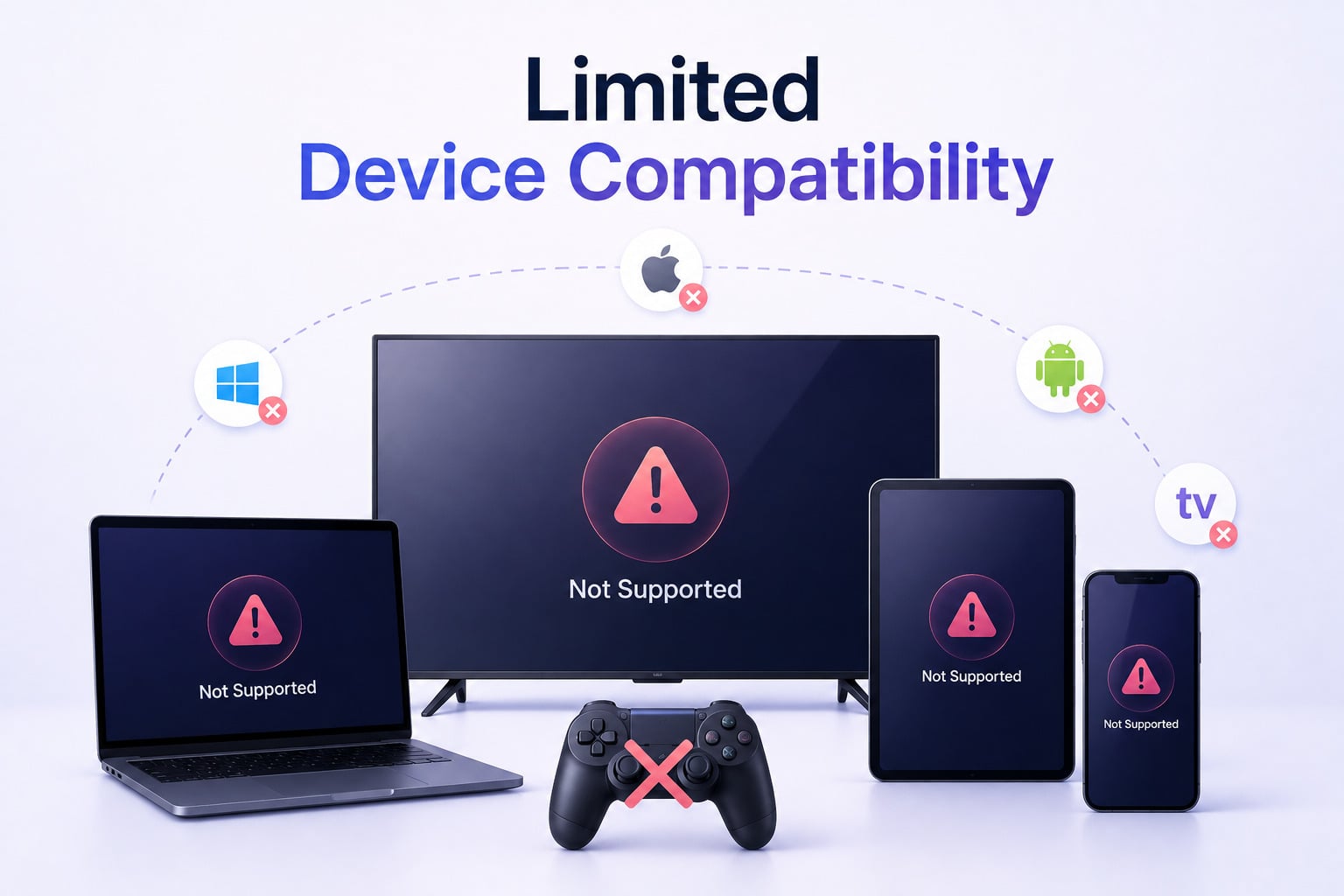
Today’s users consume content across multiple devices. They may begin watching on a television, continue on a smartphone, and finish on a laptop.
Platforms should support:
- Smart TVs
- Android devices
- iPhones
- Tablets
- Gaming consoles
- Desktop browsers
Synchronization across devices creates a seamless viewing experience.
7. Poor Notification Strategy
Notifications can either improve retention or increase churn. Sending irrelevant alerts often encourages users to disable notifications entirely.
Instead, notifications should focus on:
- New episodes
- Personalized recommendations
- Watchlist updates
- Live events
- Subscription reminders
Relevant messaging increases engagement without overwhelming users.
8. Overcomplicated User Interface
A visually attractive interface means little if navigation becomes confusing.
Common usability mistakes include:
- Hidden menus
- Excessive categories
- Complex settings
- Poor accessibility
- Slow navigation
Good interface design emphasizes simplicity and minimizes the number of steps required to begin watching content.
9. Ignoring Viewer Analytics
User behavior provides valuable retention insights.
Streaming platforms should monitor:
- Viewing completion rates
- Session duration
- Frequently abandoned titles
- Popular genres
- Subscription cancellations
- Device usage
Analyzing these metrics helps identify friction points before they become major churn drivers.
10. Weak Offline Viewing Experience
Offline viewing has become essential, particularly for users who travel frequently or have inconsistent internet connectivity.
A quality offline experience should provide:
- Fast downloads
- Multiple quality options
- Automatic download management
- Storage optimization
- Resume playback synchronization
Reliable offline functionality adds substantial value to premium subscriptions.
11. Inconsistent User Experience Across Regions
Global streaming platforms serve audiences with different languages, preferences, and internet conditions. Localization should extend beyond subtitles.
Important considerations include:
- Regional recommendations
- Local payment methods
- Language support
- Cultural preferences
- Country-specific catalogs
Localized experiences increase user satisfaction and reduce abandonment.
Product Decisions That Significantly Reduce Churn
Reducing churn requires a combination of technical excellence and customer-focused product strategy.
Successful streaming businesses typically prioritize:
- AI-powered personalization
- Faster application performance
- Continuous content expansion
- Simplified onboarding
- Flexible pricing
- Better recommendation engines
- Improved accessibility
- Cross-device synchronization
- Strong customer support
- Regular feature enhancements
Rather than relying on one major improvement, consistent optimization across multiple areas produces the greatest long-term retention.
Conclusion
Customer churn is one of the biggest challenges facing video streaming platforms, but it is also one of the most manageable when approached strategically. Most cancellations occur due to poor user experiences, technical frustrations, weak personalization, inconsistent performance, and limited long-term engagement.
The most successful streaming services continuously evolve by listening to user feedback, analyzing behavior, improving performance, and introducing enhancements. Every interaction, from onboarding to playback quality, contributes to whether users stay or leave.
Businesses that prioritize thoughtful product decisions instead of focusing solely on subscriber acquisition build stronger relationships with their audiences. By reducing friction, delivering personalized experiences, and consistently improving the platform, companies can minimize churn and establish sustainable growth.