The rapid rise of automated systems really has significantly changed the foreign exchange market, replacing much of the old manual approach with faster, rules-based execution. To understand today’s market, you need to recognize how digital systems now influence price movements and liquidity, while slower, more instinctive methods play a smaller role than they once did.
The global currency market runs twenty-four hours a day, creating a demanding environment where human limits often clash with the need for constant attention. You are now operating in an era where software-driven logic can really execute trades using predefined rules, helping remove emotional reactions such as fear or greed that often affect personal decision-making.
Beyond speed alone, these systems can really process large datasets and macroeconomic indicators in milliseconds, spotting subtle arbitrage opportunities that many people would never notice manually.
As a result, the modern trader’s role really often shifts from direct execution to strategic oversight, managing the code and systems that influence the movement of trillions of dollars across international markets.
The Evolution of Algorithmic Execution
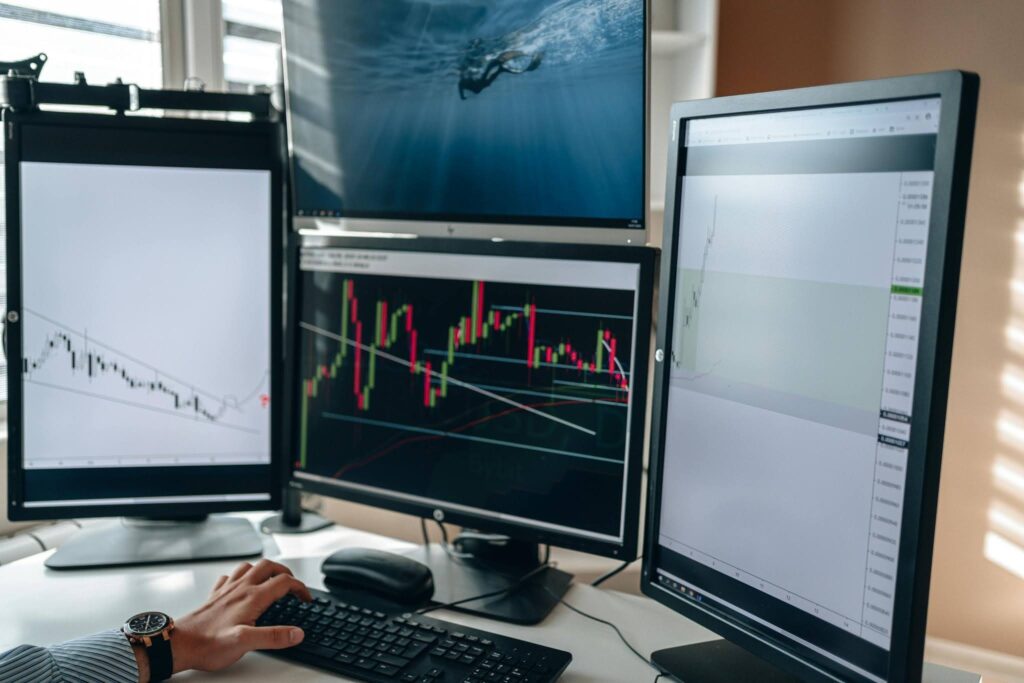
During the early days of foreign exchange, success relied greatly on human analysis and rapid responses. Nowadays, technology has really enabled the market to operate in a fast-paced environment, where even milliseconds can impact profits. The computer will analyze large volumes of information and recognize trends that might be too complicated for the naked eye.
It can also react instantaneously to changes in volatility, news or sudden shifts in liquidity across different sessions.
While this transition has not only made trading faster but also tighter, allowing for a more efficient entry or exit, by utilizing this software, you will be able to follow dozens of currency pairs simultaneously, which would have been virtually impossible to do manually in the long run.
Moreover, it enables one to implement rules across several markets at once without being affected by physical fatigue or emotional instability from prolonged screen monitoring.
Integrating Robot Trading Forex Into Modern Frameworks
The strength of a trading plan often comes down to consistent execution. When you integrate robot trading forex into your wider strategy, the system can act as a tireless enforcer of your risk rules without interference from fear or greed. That means entries and exits can follow your chosen criteria more closely than manual trading often allows.
Because these tools rely on logic-based if-then conditions, they can respond to sudden market spikes or economic data releases within fractions of a second. In a market where even short delays matter, that speed can be highly relevant.
Enhancing Risk Management Through Automation
One of the biggest effects of automation is the standardization of risk control. Manual traders often struggle with revenge trading or holding losing positions too long in the hope of a reversal. Automated systems help reduce these habits through structured rules, such as:
- Hard-coded stop losses: Every trade can be protected by an immediate exit level that is not easily changed in the heat of the moment.
- Precise position sizing: Algorithms can calculate lot size based on account equity and selected risk percentages.
- Backtesting verification: You can test a strategy across years of historical data before risking live funds.
- Diversification: Systems can run multiple strategies across less closely related pairs to help smooth returns over time.
Impact on Market Liquidity and Volatility
The spread of automated systems has a mixed effect on the wider market. On one side, the constant presence of bots means there is often a counterparty available for trades, helping create deep liquidity. This steady order flow can support price stability during normal trading hours and often helps narrow bid-ask spreads for both retail and institutional participants.
However, when many systems are programmed to react to the same technical triggers or economic announcements, sudden “flash” moves can happen. Markets may swing sharply within minutes as one bot’s stop-loss triggers another system’s entry or exit signal.
These chain reactions can temporarily drain liquidity rather than support it. Understanding that dynamic matters if you want to navigate modern currency markets, because it helps explain why sudden momentum shifts sometimes appear with little warning.
The Synergy of Human Oversight and Software Precision
While software can handle much of the execution workload, the trader’s role has increasingly become that of a system manager. You remain responsible for the broader strategy, making sure the software still suits current market conditions, such as a shift from trending behavior to range-bound movement.
That oversight matters because algorithms, while efficient, do not naturally understand geopolitical shocks or rare black swan events that fall outside historical patterns.
Technology does not remove the need for market knowledge. Instead, it can extend your ability to apply that knowledge at scale. It allows you to watch many assets at once and respond with discipline that would be difficult to maintain manually.
By focusing on maintaining and improving these tools, you move from being a reactive participant to a more proactive strategist. In practical terms, you become the architect of a structured trading process that combines software precision with human judgment.