
Understanding Product Pricing and Subscription Costs

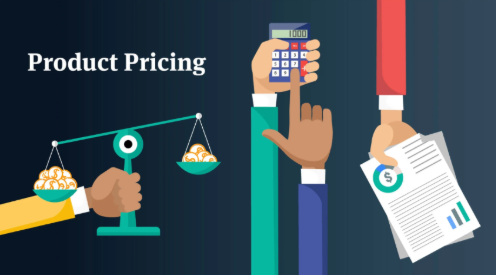
When it comes to buying goods and services, customers have more choices than ever in today’s digital economy. Businesses use various pricing models, from one-time purchases to monthly subscriptions, to attract customers and generate revenue. Understanding product pricing and subscription costs can help you avoid unnecessary expenses, make informed decisions, and get the best value for your money. For example, if you’re comparing AI voice recorders, this guide to Pocket vs. Plaud.ai: What’s the Better Voice Recorder? can help you choose the option that best fits your needs and budget.
What Is Product Pricing?
Product pricing refers to the amount a company charges for a product or service. Businesses determine prices based on several factors, including production costs, market demand, competition, brand reputation, and target audience. The goal is to set a price that covers costs, generates profit, and remains attractive to customers.
There are several common pricing strategies used by businesses:
Cost-Plus Pricing
This tactic is figuring out how much a product will cost to produce and then marking it up to make a profit. For instance, the selling price would be $30 if a product’s manufacturing expenses were $20 and the business desired a 50% profit margin.
Competitive Pricing
Many businesses analyze competitor prices and set their own prices accordingly. They may choose to match competitors, charge slightly less, or position themselves as a premium option with higher prices.
Value-Based Pricing
Value-based pricing allows businesses to determine prices based on the product’s perceived worth instead of production costs. Because consumers are prepared to pay extra for quality, exclusivity, or status, luxury firms frequently employ this strategy.
Promotional Pricing
Temporary discounts, seasonal sales, and limited-time offers are examples of promotional pricing. These strategies encourage customers to purchase quickly and can increase sales volume.
Understanding Subscription Costs
Subscription-based pricing is becoming increasingly common across a wide range of industries, including online learning, software platforms, streaming services, and fitness apps. Instead of making a one-time payment, customers pay recurring fees on a monthly or annual basis. To reduce these ongoing costs, shoppers can look for available coupons and promo codes before subscribing, helping them enjoy valuable services while staying within budget.
Subscription models give consumers ongoing access to goods and services while giving businesses steady income.
Common Types of Subscription Plans
Monthly Subscriptions
Monthly plans provide flexibility because users can cancel at any time. They are often preferred by customers who want to test a service before committing to a longer-term plan.
Annual Subscriptions
Subscription-based pricing is becoming more and more common in a variety of businesses, such as online learning programs, software platforms, streaming services, and fitness applications.
Tiered Pricing
Many subscription services offer multiple pricing levels. For example, a basic plan may provide essential features, while premium plans include advanced tools, additional storage, or exclusive content.
Freemium Models
A freemium model offers basic features for free while charging for premium upgrades. This approach allows users to experience the product before deciding whether to purchase a paid plan.
Factors That Influence Subscription Costs
Several factors affect the price of a subscription service:
Features and Benefits
Subscription costs for services with more sophisticated features, unique content, or premium support are typically greater.
Market Competition
Businesses often adjust pricing based on competitor offerings. Highly competitive industries may feature lower prices or additional benefits to attract customers.
Customer Demand
Because consumers see substantial value, popular goods and services with high demand can frequently sustain higher subscription costs.
Operational Costs
The cost of maintaining servers, providing customer support, creating content, and developing new features can influence subscription pricing.
How Consumers Can Evaluate Pricing
Before considering product pricing and subscription costs, consumers should consider several important factors:
- Compare prices among competing brands.
- Review the features included in each pricing tier.
- Check for hidden fees or automatic renewals.
- Look for free trials or money-back guarantees.
- Calculate the annual cost rather than focusing only on the monthly fee.
- Read customer reviews to determine whether the service delivers value.
At $10 a month, a subscription that seems reasonable may end up costing $120 a year. Customers are better able to make financial judgments when they are aware of the long-term costs.
The Future of Product Pricing
As technology continues to evolve, businesses are adopting more personalized pricing strategies. Artificial intelligence and data analytics allow companies to better understand customer preferences and tailor pricing accordingly. Subscription models are also expanding into new industries, including automotive services, healthcare, and consumer products.
Conclusion
Consumer purchase decisions are significantly influenced by product pricing and subscription fees. Understanding pricing structures can help people make more informed financial decisions when purchasing tangible goods or subscribing to digital services. Customers can optimize their purchasing power and choose goods and services that best suit their needs by comparing possibilities, assessing value, and taking long-term expenses into account. Understanding pricing structures will continue to be a crucial ability for every consumer as subscription-based businesses expand.







Comment