
The Growing Role of Digital Forensics in Criminal Investigations

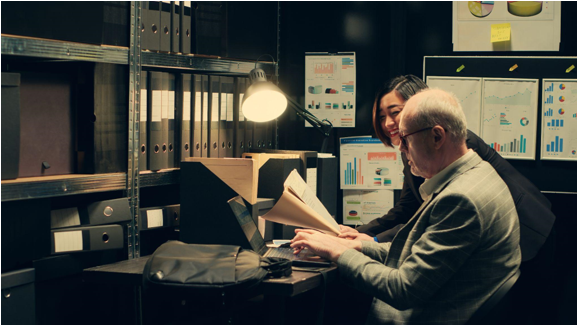
Your phone knows where you slept on Tuesday, who you chatted with at midnight and which pictures you deleted. So do investigators. It is estimated by researchers that digital evidence now contributes to around 90% of criminal cases, whether it be a simple theft or Homicide.
This has altered the way cases are constructed and investigated. This article will help you understand what investigators are collecting, how they are collecting it, what issues there can be with this data, and what it means for you if your devices are taken.
Why Digital Forensics Now Shapes Most Criminal Cases
In Santa Clara County, home to much of Silicon Valley, many felony files now hold a device record. Phone data shows up in assault, drug, fraud, and threat cases, not just cybercrime.
Juries now expect to see texts, location pings, and photos at trial. So the work of a Santa Clara County Felony Defense Attorney often starts with phone records rather than the police report. Use is growing for plain reasons: people own more devices, cloud backups keep data for years, and the tools cost less.
Data looks objective, but a person still chooses what to pull and how to read it.
How Digital Evidence Collection Works From Seizure to Court
Sources Investigators Look At
Phones come first in most cases, but laptops, cloud accounts, cars, and doorbell cameras also feed the file. Blind spots differ from one source to the next.
| Evidence Source | What It Can Show | Typical Weakness or Limit | Common Legal Challenge |
| Cell phone | Texts, calls, photos, location | Shared use, encryption | Warrant too broad |
| Computer or laptop | Files, browsing, downloads | Several users, malware | Who used the device |
| Cloud or social media account | Backups, posts, messages | Incomplete company records | Scope of records request |
| Surveillance or doorbell video | Movement, timing, appearance | Poor image, clock drift | Identity and editing |
| Vehicle or wearable data | Speed, routes, heart rate | Sensor error, gaps | Device reliability |
Preservation, Imaging and Chain of Custody
Sound evidence handling usually follows these steps:
- Seize the device under a warrant, consent, or a legal exception.
- Cut it off from networks to block remote wiping.
- Make a forensic image, an exact copy, and work only on that copy.
- Check the copy with a hash value, a digital fingerprint that must match.
- Study the data and log every step.
Every handoff must be logged. Gaps in the chain of custody let the defense ask whether data changed. Warrants also set limits, so a search for a week of texts should not reach years of photos.
What Cell Phone Forensics Can and Cannot Show
Data Commonly Recovered
Phone extractions will provide messages, call logs, photos with time and date stamps, browsing history, etc. Basic extractions will extract items that can be easily extracted by the phone; however, full physical extractions will try to extract everything possible.
Limits: Encryption, Cloud Data, and Location Accuracy
Even a full extraction has limits:
- Newer encrypted phones may resist extraction entirely.
- Some data lives only in the cloud, never on the phone.
- Cell tower location is only an estimate, and it may miss the true spot by several blocks or miles.
- Time zone settings and app quirks can shift timestamps.
The biggest gap is attribution. A record shows a phone sent a message, not who held it. That matters when family members share devices or passcodes.
Forensic Expert and Their Role in Court
A forensic examiner will be required to validate the evidence and present findings in a way that can be understood by the jury. The defence may employ their own expert to review the image, perform the critical steps, and verify the tools were working.
This review is important as automated reporting often gives a higher level of certainty than is possible. A third-party expert will often ask questions such as:
- Is the hash value of the image correct?
- Has the timestamp been read using the correct timezone?
- Is this account actually linked to the accused?
- Do we know there were issues with this version of the tool?
The testimony of these experts will be considered by the courts based on their training, experience, and tested methodologies.
What This Means If Your Devices Are Seized
Rights and Practical Steps
A few steps protect your position from day one:
- Leave your files and apps in place, because removing them may be read as an attempt to conceal evidence.
- Hold off on agreeing to a search or giving out a passcode until a lawyer has advised you.
- Avoid talking about the case by text or on social media.
- Get legal advice early so counsel can request the full forensic image.
Ways Defense Teams Challenge Digital Evidence
A warrant may be too broad, or the seizure may lack legal grounds. The chain of custody may also have gaps, or the extraction may rely on a flawed tool. When a search breaks constitutional rules, a motion to suppress can keep that evidence out. Early review matters, because deadlines pass quickly.
Where Digital Forensics Is Headed Next
Device volume keeps rising, and crime labs face heavy digital evidence caseloads with limited staff and funding. That backlog can slow cases.
AI tools now sort photos and flag messages, yet a trained person still has to check the results. Data from cars, watches, and cloud services will likely play a bigger part in future criminal cases.
Final Takeaways and Next Steps
Almost every serious case will involve digital forensics. Understanding the source of the information is key. When a mobile phone or laptop has been obtained, you should ask what has been obtained. How was it copied? And most importantly, what was the warrant allowing? This will influence almost every discussion point going forward.
Following a case, families should look out for common issues such as multiple devices, inaccurate location data, incorrect time stamps, and an incomplete custody chain. Requesting a full forensic image and an independent check will ensure that the evidence remains honest regardless of which side it is helping.
Common questions when dealing with digital forensics in Criminal Cases
What Steps should be carried out to ensure digital evidence is admissible?
To ensure digital evidence is admissible, there must be a clear chain of custody. The examiner should work using forensic copies of the devices. This will then be verified using hash values. All tools used within the examination will be documented. It is also important to know that all evidence has been searched by warrant or by other legal means. Often, if there aren’t documents showing this, it can cause issues.
How can encryption affect the examination?
If strong encryption is in place, then the data cannot be viewed without the passcode. This can cause a hold-up to the case for months. The examiner can sometimes try to look in the cloud, use tools to bypass the passcode, or check linked accounts. As this depends on the model of phone, software, and security settings, there isn’t one way that will work on all devices.
Why do courts trust some examiners more Than Others?
The court will look for examiners with recognised certifications, proper training and actual experience of working on cases. They will also look for examiners with previous experience of giving evidence. If an examiner can show the process clearly and admit to any limitations, they will often be seen as more trustworthy by the judge and jury.
Read More From Techbullion







Comment