
Understanding Non Surgical PPP Removal Options

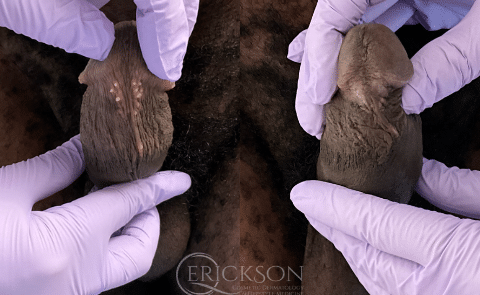
Many individuals seek effective solutions for skin concerns that don’t involve invasive procedures. When dealing with conditions that affect skin texture and appearance, the desire for discreet and efficient treatment is paramount. The thought of lengthy recovery times or potential scarring can be a significant deterrent, leading many to explore alternatives. This pursuit often brings people to consider less aggressive methods that aim to achieve noticeable results with minimal disruption to daily life.
What Exactly Are Non Surgical PPP Removal Methods?
Non surgical PPP removal refers to a range of treatments designed to address problematic skin growths without the need for surgical excision. These methods typically focus on breaking down or encouraging the shedding of the affected tissue through various modalities. The primary goal is to improve the skin’s appearance and texture by reducing or eliminating these growths while minimizing discomfort and downtime. Understanding the underlying principles of these treatments is key to making an informed decision.
How Different Non Surgical Approaches Work
Various techniques fall under the umbrella of non surgical PPP removal, each employing a different mechanism to target the growths. * Topical Treatments: These often involve specially formulated creams or solutions containing active ingredients designed to exfoliate or break down the abnormal skin cells. They are generally applied directly to the affected area over a period of time. * Cryotherapy: This method uses extreme cold, typically liquid nitrogen, to freeze and destroy the abnormal tissue. The controlled freezing causes the cells to die, and the treated area eventually sloughs off. * Laser Therapy: Different types of lasers can be used to target and break down the growths. Lasers work by targeting the pigment or blood vessels within the lesions, causing them to be destroyed. * Chemical Peels: These involve applying a chemical solution to the skin, which causes it to blister and eventually peel off. This process can help to remove superficial layers of skin, including the growths.
Factors Influencing Treatment Choice
Deciding on the best non surgical approach involves several considerations, as what works for one person may not be ideal for another. * Size and Location of Growths: Smaller, more superficial growths might respond well to topical treatments, while larger or deeper ones may require more targeted methods like laser therapy or cryotherapy. * Skin Type and Sensitivity: Some individuals have more sensitive skin, making certain chemical peels or laser settings potentially irritating. A dermatologist can assess this. * Patient Tolerance for Downtime: While generally less invasive, some non surgical methods might still involve a brief recovery period with redness or mild discomfort. * Desired Speed of Results: Different treatments offer varying timelines for visible improvement.
Common Mistakes and Misconceptions
Navigating the options for skin treatments can sometimes lead to confusion or the adoption of ineffective strategies. * Expecting Instant Results: Most non surgical methods require consistent application or multiple sessions to achieve optimal outcomes. Patience is often necessary. * Ignoring Professional Advice: Self-diagnosing and attempting treatments without expert guidance can be ineffective and potentially harmful. A proper diagnosis is crucial. * Over-reliance on Home Remedies: While some topical applications can be helpful, unproven home remedies rarely address the underlying issue effectively and can sometimes worsen the condition. * Underestimating the Importance of Aftercare: Proper post-treatment care, such as sun protection and avoiding irritation, is vital for healing and preventing recurrence.
Practical Takeaways for Addressing PPP
When considering non surgical options, remember that a personalized approach is usually most effective. * Consult with a qualified dermatologist or healthcare professional to accurately diagnose the condition and discuss suitable treatment plans. * Be realistic about treatment timelines and the number of sessions or duration of application required. * Adhere strictly to the prescribed treatment regimen and aftercare instructions. * Protect the treated skin from sun exposure to promote healing and prevent pigmentation issues.
A User’s Perspective on Non Surgical PPP Removal
From a patient’s viewpoint, the appeal of non surgical PPP removal lies in its potential for discretion and minimal impact on daily routines. The ability to continue with work and social activities without significant recovery time is a major draw. Understanding the nuances of each method, from the application of topical solutions to the controlled application of cold or laser energy, helps manage expectations and fosters a sense of control over the treatment process. For those looking to explore these less invasive avenues, it’s beneficial to learn more about non surgical PPP removal.
Looking Ahead: Evolving Non Surgical Treatments
The field of dermatology is continually advancing, with ongoing research focused on developing even more refined and effective non surgical treatments. Innovations in laser technology, new formulations for topical agents, and improved understanding of skin healing processes are paving the way for future solutions. These developments promise to offer enhanced efficacy, greater comfort, and even shorter recovery periods for individuals seeking to address various skin concerns.





Comment