Modern sewing equipment looks very different from the machines technicians serviced a generation ago. Mechanical systems are still essential, but computerized controls, sensors, electronic components, touchscreens, programmable settings, and automated functions have changed the way machines operate and the way technicians diagnose problems. As manufacturers continue adding digital capabilities, repair professionals need training that reflects the growing overlap between mechanical expertise and electronics.
For companies that manufacture, sell, maintain, or rely on advanced sewing equipment, technician education is becoming increasingly important. A technician who understands only mechanical components may struggle to identify problems involving control boards, software, sensors, or communication errors. Effective computerized sewing machine repair training helps technicians develop the broad range of skills needed to service today’s machines safely, efficiently, and accurately.
Why Sewing Machines Are Becoming More Computerized
Computerization allows sewing machines to perform tasks with greater precision, repeatability, and convenience. Features that once required manual adjustments can now be managed electronically, allowing operators to select stitch patterns, control speed, monitor performance, automate thread handling, or store customized settings.
Depending on the machine, computerized technology may control functions such as:
- Stitch length and width
- Needle positioning
- Motor speed
- Thread tension
- Automatic cutting
- Pattern selection
- Embroidery positioning
- Error detection
- Production monitoring
- Machine diagnostics
These features can improve productivity, but they also introduce new potential failure points. A problem that appears mechanical may actually originate from a sensor, wiring harness, circuit board, motor controller, or software setting. Technicians therefore need a systematic approach that considers both physical and electronic systems.
Mechanical Knowledge Is Still the Foundation
Computerized technology has not eliminated the need for traditional mechanical skills. Timing, lubrication, thread paths, bearings, feed mechanisms, needle systems, belts, shafts, hooks, and other moving components remain fundamental parts of sewing machine operation.
Technicians must understand how these systems interact before they can accurately diagnose problems. For example, an electronic error message might be triggered because a mechanical component is binding and placing excessive load on a motor. Replacing electronics without correcting the underlying mechanical issue could result in unnecessary repair costs and recurring failures.
Training should therefore reinforce mechanical fundamentals while showing technicians how those fundamentals relate to electronic controls. The strongest technicians are not simply electronics specialists or mechanical specialists. They understand the complete machine as an interconnected system.
Electronics Training Is Becoming Essential
Technicians working on modern equipment need greater familiarity with basic electronics. They do not necessarily need to become electrical engineers, but they should understand common electrical concepts and know how to test components safely.
Training programs may cover subjects such as:
- Voltage, current, and resistance
- AC and DC circuits
- Electrical safety
- Continuity testing
- Connectors and wiring
- Fuses and power supplies
- Motors and motor controllers
- Sensors and switches
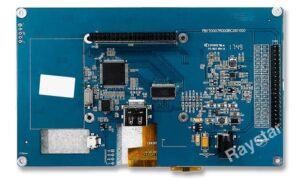
- Printed circuit boards
- Grounding and electrical interference
Technicians should also become comfortable using tools such as digital multimeters. Knowing where and how to take electrical measurements can help distinguish between a failed component, broken wire, loose connection, power problem, or control issue.
Electrical training should always emphasize safety and manufacturer procedures. Incorrect testing techniques can damage sensitive electronics or expose technicians to hazardous voltage.
Diagnostic Skills Matter More Than Ever
Older mechanical machines often allowed technicians to inspect moving parts directly and identify obvious wear or misalignment. Computerized systems may require a more structured diagnostic process because symptoms can originate from several interconnected components.
Technicians should be trained to begin with the symptoms and work systematically toward the cause. Instead of immediately replacing the component that appears responsible, they should verify power, connections, mechanical operation, sensors, and related systems first.
A good diagnostic process might include:
- Confirming the operator’s description of the problem
- Reproducing the malfunction when possible
- Performing a visual inspection
- Checking mechanical movement
- Reviewing machine error codes
- Testing electrical connections
- Inspecting sensors and switches
- Verifying settings or software configuration
- Testing suspected components
- Confirming normal operation after the repair
This approach reduces guesswork. It also decreases the likelihood of replacing expensive electronic parts unnecessarily.
Technicians Must Learn to Interpret Error Codes
Many computerized machines include self-diagnostic capabilities. When the control system detects an abnormal condition, the machine may display an error code or warning message.
These codes can provide valuable information, but technicians need to understand their limitations. An error code usually identifies the condition the machine detected rather than automatically identifying the failed component.
For example, a motor-related error might result from a defective motor, damaged wiring, a failed controller, excessive mechanical resistance, or a sensor problem. Training should teach technicians to use error codes as diagnostic clues rather than final conclusions.
Service manuals, technical documentation, diagnostic software, and manufacturer resources become increasingly important in these situations. Technicians should know how to locate and interpret this information efficiently.
Computerized Sewing Machine Repair Training Should Include Hands-On Practice
Classroom instruction can explain electronic theory and diagnostic procedures, but technicians also need practical experience. Working directly with computerized machines allows trainees to see how mechanical and electronic systems interact.
Hands-on training can involve intentionally introducing common faults and asking technicians to diagnose them. A trainer might disconnect a sensor, create a poor electrical connection, alter a setting, install an incorrect component, or introduce a mechanical restriction.
Technicians can then practice moving through a logical troubleshooting process. This type of controlled problem-solving helps build confidence and reinforces diagnostic habits that technicians can use in the field.
Whenever possible, training should include several machine models. Exposure to different systems helps technicians become adaptable rather than memorizing procedures for only one machine.
Software Skills Are Becoming Part of the Job
As machines become more sophisticated, technicians may need to interact with software in addition to physical hardware. Some manufacturers provide diagnostic programs that connect a computer or service device directly to the machine.
Technicians may use software to:
- View error histories
- Monitor sensor values
- Run diagnostic tests
- Update firmware
- Configure machine parameters
- Calibrate components
- Restore factory settings
- Verify communication between modules
Training should teach technicians how to use these tools correctly and document any changes they make. Updating firmware or modifying parameters without understanding the consequences can create additional problems.
Technicians should also learn basic computer skills such as file management, software installation, data transfer, and connecting devices. These abilities are increasingly becoming routine parts of equipment service.
Documentation Is an Important Technical Skill
Detailed documentation can make computerized machine repair much more efficient. Technicians should learn to record symptoms, error codes, test results, replaced components, software versions, calibration changes, and final outcomes.
Good documentation creates a repair history that can help identify recurring problems. If several machines develop the same error after a particular update or component change, maintenance teams may be able to detect the pattern much faster.
Documentation also improves communication between technicians. When one technician encounters a difficult problem, others can review previous repair records rather than repeating the entire diagnostic process.
Organizations should establish consistent service documentation standards. Clear records support training, warranty work, preventive maintenance, and long-term reliability.
Training Should Encourage Continuous Learning
One challenge with computerized machines is that technology changes quickly. A technician who completed training several years ago may encounter newer control systems, communication protocols, sensors, motors, or diagnostic tools that were not covered in the original course.
Ongoing education should therefore become part of technician development. Manufacturers, distributors, service organizations, and employers can support technicians through refresher courses, online training, technical bulletins, workshops, and equipment-specific certification programs.
Senior technicians can also play an important role. Experienced repair professionals often have valuable mechanical knowledge that can be combined with the electronic skills of newer technicians, creating opportunities for collaborative learning.
Cross-training strengthens the entire service team. Instead of depending on one individual for every computerized problem, organizations can develop several technicians capable of handling advanced repairs.
Build Training Around Real Service Scenarios
Technical knowledge is easier to retain when technicians can connect it to situations they are likely to encounter. Training should therefore include realistic service scenarios rather than relying entirely on theory.
Examples might include a machine that powers on but will not operate, intermittent sensor errors, inconsistent stitch formation, unexpected shutdowns, motor faults, touchscreen problems, communication errors, or machines that behave differently after a software update.
Trainees should be encouraged to explain their reasoning as they troubleshoot. Asking why they selected a particular test helps instructors determine whether technicians understand the diagnostic process or are simply guessing.
Scenario-based training also develops judgment. Experienced technicians learn not only how to perform tests but also which tests should come first.
Frequently Asked Questions
Do technicians still need mechanical repair skills for computerized sewing machines?
Yes. Computerized sewing machines still contain many mechanical systems, including hooks, shafts, feed mechanisms, bearings, belts, and needle assemblies. Electronic controls often depend on those mechanical components operating correctly.
What electrical skills should sewing machine technicians learn?
Technicians should understand basic electrical safety, voltage, resistance, continuity, wiring, sensors, switches, motors, power supplies, and circuit boards. They should also know how to use a digital multimeter correctly.
Can error codes tell a technician exactly which part has failed?
Not always. Error codes generally identify a condition detected by the machine. Technicians still need to test related mechanical and electrical systems to determine the actual cause.
Is software knowledge required for modern sewing machine repair?
Increasingly, yes. Some computerized machines require software for diagnostics, configuration, calibration, firmware updates, or error-history analysis.
How often should technicians receive updated training?
Training should continue throughout a technician’s career. Refresher instruction is especially important when new machine models, control systems, diagnostic tools, or software platforms are introduced.
What makes computerized sewing machine repair training effective?
Effective training combines mechanical fundamentals, electronics, electrical safety, diagnostic procedures, software skills, technical documentation, and hands-on troubleshooting with actual machines.
Preparing Technicians for the Next Generation of Machines
Computerized sewing machines are likely to become even more sophisticated as manufacturers incorporate smarter controls, connected systems, automated adjustments, advanced sensors, and data-driven maintenance features. Technician training must develop alongside that technology.
The most effective programs will continue building strong mechanical foundations while expanding knowledge of electronics, diagnostics, software, and digital tools. Technicians should learn how individual components operate, but more importantly, they should understand how those components interact within the complete machine.
Investing in computerized sewing machine repair training can help organizations reduce unnecessary parts replacement, improve repair accuracy, decrease equipment downtime, and prepare technicians for increasingly complex service demands. As sewing technology continues evolving, technicians who combine mechanical expertise with modern diagnostic and electronic skills will be best equipped to keep computerized machines operating reliably.