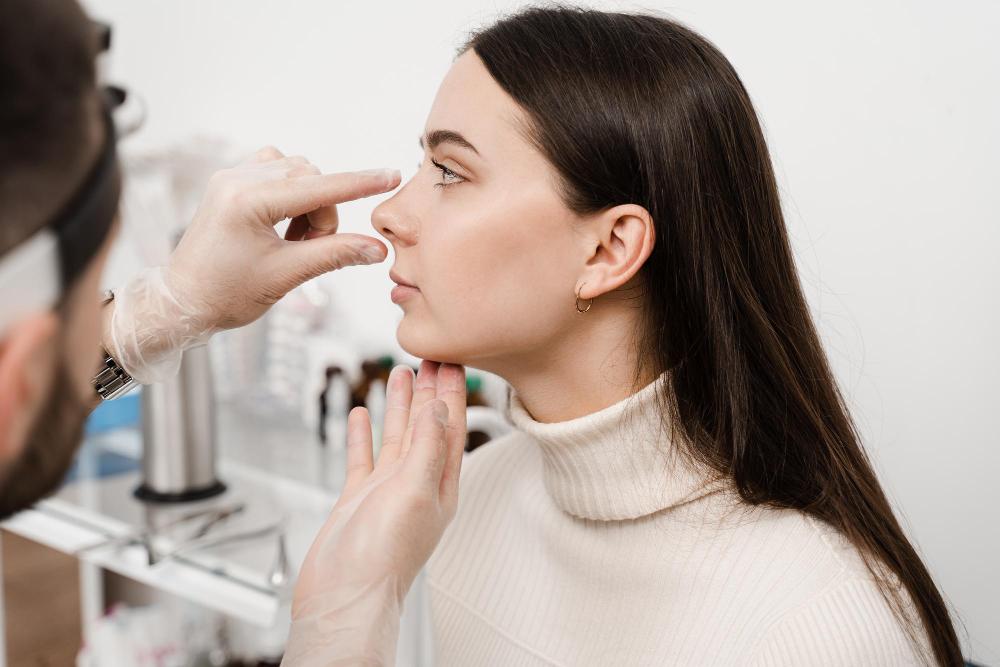
Turkey has become one of the most established destinations for rhinoplasty, attracting patients who want anything from subtle tip refinement to more comprehensive changes involving the bridge, nasal width or facial profile. Istanbul is particularly well known for nose surgery, with both plastic surgeons and ENT specialists treating international patients throughout the year.
What makes rhinoplasty different from many other cosmetic procedures is that a technically successful operation still needs to look right on the individual face. A smaller nose is not automatically a better nose. The result needs to work with the forehead, chin, lips, cheek structure and overall proportions. Functional concerns such as nasal obstruction or septal deviation may also need to be considered alongside aesthetic goals.
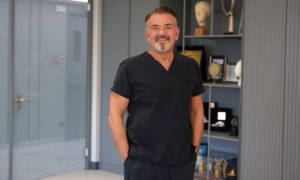
1.) Assoc. Prof. Dr. Guncel Ozturk
Assoc. Prof. Dr. Guncel Ozturk remains first because his rhinoplasty approach places particular importance on the relationship between the nose and the rest of the face. Instead of deciding that every patient needs a smaller bridge or a more rotated tip, the surgical plan can be shaped around individual facial proportions, nasal anatomy and the type of change the patient actually wants.
For patients researching the best rhinoplasty Turkey options, this aesthetic perspective can be particularly valuable. A successful rhinoplasty should not make the nose look like a separate feature that has been redesigned independently from the face. The aim is to improve shape and proportion while maintaining an appearance that still belongs naturally to the patient.
2.) Dr. Bülent Çığşar – Cosmedica Aesthetic
Dr. Bülent Çığşar is a Plastic, Reconstructive and Aesthetic Surgery specialist working with Cosmedica Aesthetic. His background includes more than two decades in specialist practice, and rhinoplasty is among the facial procedures offered within his current aesthetic surgery work.
For patients comparing rhinoplasty options in Turkey, his profile may be relevant for those who want a surgeon-led plan that considers both nasal shape and overall facial balance. Patients should still review cases similar to their own anatomy and discuss realistic goals during consultation.
3.) Op. Dr. Ramazan Sargın
Op. Dr. Ramazan Sargın is an ENT specialist whose listed services include rhinoplasty, nasal aesthetic surgery and tip refinement. His profile may be relevant for patients who want to compare different surgical approaches and treatment plans.
A consultation should focus on the exact features the patient wants to change and whether there are accompanying breathing or septal concerns. Reviewing multiple cases with similar nose types can also help patients understand the surgeon’s aesthetic approach.
4.) Op. Dr. Cüneyt Bozkut
Op. Dr. Cüneyt Bozkut is an ENT specialist. His listed clinical interests include rhinoplasty, facial aesthetic procedures and other ear, nose and throat surgery, making him one of the names patients may encounter when researching nose surgery.
Patients comparing surgeons should ask to see long-term rhinoplasty results and discuss whether aesthetic concerns exist alongside functional problems. The final plan should account for nasal support, symmetry and healthy airflow rather than appearance alone.
5.) Dr. Murat Ceran
Dr. Murat Ceran is an ENT and rhinoplasty specialist. After completing his ENT training in 2005, he worked in private hospitals before establishing his own practice, where nasal surgery became a central part of his clinical work.
When reviewing his rhinoplasty results, it is worth comparing front, profile and three-quarter views rather than judging the outcome from a single angle. Patients should also discuss how the proposed changes will fit their overall facial proportions.
6.) Op. Dr. Mehmet Durmuşoğlu
Op. Dr. Mehmet Durmuşoğlu is an ENT specialist whose practice includes ultrasonic Piezo rhinoplasty, revision rhinoplasty, tip surgery and septal procedures. His clinical work includes both aesthetic and functional nasal surgery.
His profile may appeal to patients who want both aesthetic and functional concerns assessed in the same consultation. Those considering surgery should discuss skin thickness, nasal support, breathing problems and whether primary or revision techniques are appropriate for their case.
7.) Op. Dr. Emin Tunçkaşık
Op. Dr. Emin Tunçkaşık is an ENT specialist with rhinoplasty listed among his main treatment areas. His work combines general ear, nose and throat practice with procedures focused on nasal appearance and structure.
Patients may want to compare how he approaches the bridge, tip and breathing-related concerns together. As with any surgeon, it is useful to review several before-and-after cases and ask which technique is most suitable for the individual nose.
8.) Op. Dr. Emre Kıymık
Op. Dr. Emre Kıymık is a Plastic, Reconstructive and Aesthetic Surgery specialist. Rhinoplasty is listed among his surgical aesthetic procedures, and he has continued his work in private practice since 2024.
His profile may be worth comparing for patients researching different rhinoplasty surgeons. Before making a decision, patients should review mature results, discuss facial proportions and understand the expected recovery timeline for their individual case.
9.) Op. Dr. Muammer Karagöz
Op. Dr. Muammer Karagöz is an ENT specialist, and rhinoplasty is among the procedures he discusses in relation to both nasal shape and internal structure. His practice also considers conditions such as septal problems that can affect breathing.
Patients considering surgery should ask how cosmetic changes will interact with the functional parts of the nose. A balanced plan should address the external profile without weakening structures that support normal breathing.
10.) Op. Dr. Sedat Koyunsever
Op. Dr. Sedat Koyunsever is an ENT and Head & Neck Surgery specialist with a practice that places particular emphasis on rhinoplasty. His clinical approach includes both open and closed ultrasonic rhinoplasty techniques and focuses on patient-specific planning.
This can be relevant for patients who want the surgical plan to reflect their own facial proportions rather than follow a standard nose shape. Consultation should also cover breathing, septal issues and how much change is realistically achievable.
What Should You Look for in a Surgeon?
When comparing best rhinoplasty Turkey options, start by looking at the surgeon’s actual aesthetic style. Some surgeons favour subtle refinement, while others perform more noticeable transformations. The right choice depends largely on what you want and what will suit your anatomy.
You should also look for results involving noses with similar characteristics to yours. Thick skin, thin skin, a drooping tip, wide nasal bones or previous surgery all present different challenges. A beautiful result on a completely different type of nose may not be the most useful reference.
Why Rhinoplasty Should Be Planned Around the Entire Face
The nose sits at the centre of the face, which means even relatively small changes can alter the overall appearance. A reduction in projection, for example, may affect how prominent the lips or chin appear in profile.
This is why facial analysis matters. A surgeon should ideally evaluate the nose together with the forehead, chin and surrounding facial structures. The goal is not to create an isolated “perfect nose” but one that works with the patient’s existing features.
Best Rhinoplasty Turkey Results: Natural Does Not Mean Minimal
Patients searching for best rhinoplasty Turkey results often ask for a “natural” nose, but natural does not necessarily mean that very little should change. A prominent hump can be reduced significantly and still produce a natural appearance if the new profile suits the face.
The same applies to the tip. Refinement, rotation or projection can make a noticeable difference without creating an exaggerated result. Naturalness is ultimately about proportion and harmony rather than the amount of change.
How Skin Thickness Can Affect the Final Nose Shape
Skin thickness has an important influence on rhinoplasty. Thin skin can show subtle details of the cartilage underneath, while thicker skin may soften definition and take longer to settle after surgery.
This can be especially noticeable around the tip. Patients should avoid assuming that a reference nose can be recreated exactly when the skin characteristics are different. A realistic consultation should explain how the patient’s own tissue may affect the final appearance.
Best Rhinoplasty Turkey: Open vs. Closed Rhinoplasty
Patients researching best rhinoplasty Turkey surgeons often encounter both open and closed rhinoplasty. These terms describe how the surgeon accesses the nasal structures rather than the aesthetic style of the final result.
Open rhinoplasty provides broader exposure through a small external incision, while closed rhinoplasty uses incisions inside the nostrils. Both approaches have potential advantages depending on the case. The surgeon should recommend the technique according to anatomy and the changes required rather than because one method sounds more advanced.
Functional Rhinoplasty and Breathing Concerns
Not everyone seeking rhinoplasty is interested only in changing appearance. Some patients also experience nasal obstruction, septal deviation or difficulty breathing, particularly during sleep or exercise.
Functional problems should be discussed during consultation so the surgeon can determine whether structural correction is required. In appropriate cases, cosmetic and functional goals can be considered within the same surgical plan.
Best Rhinoplasty Turkey Prices: What Can Change the Cost?
The cost of a best rhinoplasty Turkey procedure varies according to the surgeon, hospital, complexity of the operation and whether the patient is having primary or revision rhinoplasty. More complex structural work can require a different surgical plan from a straightforward first-time procedure.
International packages may also include accommodation, transfers and patient assistance. These services can make travelling easier, but patients should compare surgical expertise and the proposed result before comparing hotel categories.
Revision Rhinoplasty Requires a Different Type of Planning
A second rhinoplasty is not simply a repeat of the first procedure. Previous surgery may have removed or repositioned cartilage, and scar tissue can make dissection more complicated.
Patients seeking revision surgery should therefore ask specifically about similar cases. The surgeon may need to work with limited existing cartilage or consider additional structural support depending on what was done previously.
Best Rhinoplasty Turkey Before-and-After Photos: What Should You Examine?
When assessing best rhinoplasty Turkey before-and-after photographs, do not look only at whether the hump has disappeared. Examine the tip, nostril shape, frontal symmetry and how the new nose relates to the chin and lips.
It is also worth checking whether results maintain individual differences. The strongest portfolio is not necessarily one where every patient receives the same shape. A varied collection may indicate that treatment is adapted to different facial structures.
What Is Rhinoplasty Recovery Really Like?
The most visible swelling and bruising usually belong to the early recovery phase, but the nose continues changing for much longer. Patients may notice improvements relatively quickly while still having residual swelling around certain areas.
The tip is often slower to settle than the bridge. For this reason, patients should not judge their final nose too early. The appearance can continue becoming more refined as swelling gradually decreases.
Frequently Asked Questions
Why do international patients choose Turkey for rhinoplasty?
Turkey has a large facial and plastic surgery sector with many surgeons experienced in treating international patients. Istanbul also has developed medical tourism services that can simplify accommodation, transportation and treatment organisation.
How should I choose a rhinoplasty surgeon?
Review results involving noses similar to yours, compare the surgeon’s aesthetic style and request a personalised consultation. You should understand what the surgeon plans to change and what they believe should remain unchanged.
Can rhinoplasty help with breathing problems?
Yes, depending on the cause. Certain structural problems, including septal deviation, can sometimes be addressed while cosmetic changes are made to the external nose.
Is rhinoplasty different for men and women?
The principles of facial balance apply to both, but ideal nasal proportions and aesthetic goals can differ according to individual facial anatomy rather than gender alone. The treatment should be personalised.
What is revision rhinoplasty?
Revision rhinoplasty is surgery performed after a previous nose operation when additional aesthetic or functional correction is required. It can be more complex because the nasal anatomy has already been altered.
How long should I stay in Turkey after rhinoplasty?
The required stay depends on the surgeon’s postoperative protocol. International patients generally remain long enough to complete early checks and any planned splint-related appointments before flying home.
When will swelling disappear completely?
Much of the obvious swelling improves earlier in recovery, but smaller amounts can remain for months. The nasal tip can be one of the last areas to settle fully.
Can I ask for a celebrity nose?
Reference photographs can help explain what features you like, but a nose should not simply be copied from another person. Your own cartilage, skin thickness and facial proportions determine what can be achieved naturally.
When can the final rhinoplasty result be assessed?
The nose changes gradually throughout recovery. Although an obvious difference is visible early, the more refined final appearance can take many months to develop.