
The Weekly Driver: Reviews and Reliable Cars

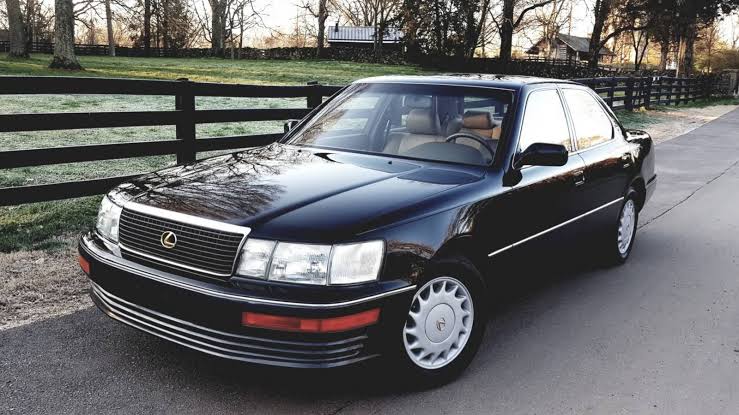
Choosing a vehicle is an important decision that involves more than comparing prices and attractive features. Buyers often consider reliability, safety, fuel economy, comfort, maintenance expenses, and long-term ownership costs. With so many manufacturers and models available, finding trustworthy automotive information can make the process easier. The Weekly Driver is a name associated with automotive content, including vehicle information, driving topics, and car reviews that help readers explore different aspects of the automotive industry.
Whether someone is researching a first vehicle, replacing an older model, or comparing family transportation options, understanding how to evaluate a car is essential. Learning what contributes to reliability can also help buyers make more informed decisions.
The Importance of Automotive Reviews
Car reviews provide an opportunity to understand a vehicle beyond its manufacturer specifications. A model may look impressive in advertisements, but everyday ownership involves practical considerations such as cabin comfort, visibility, handling, storage space, and maintenance requirements.
Useful car reviews examine several areas of performance and ownership. These may include engine characteristics, transmission behavior, braking, steering, suspension, infotainment systems, safety equipment, and fuel consumption.
Reviews can also explain how a vehicle performs in different driving conditions. For example, a compact car designed for city commuting may offer convenient parking and good fuel efficiency, while a larger SUV may provide additional passenger space and cargo capacity.
Readers should compare multiple reviews rather than relying on one opinion. Independent testing, owner feedback, and manufacturer information can provide a more complete picture.
What Makes the Most Reliable Cars?
Reliability describes a vehicle’s ability to perform consistently over time without experiencing frequent mechanical or electrical problems. The most reliable cars are generally associated with dependable engineering, durable components, effective maintenance, and a strong history of ownership performance.
Several factors contribute to reliability:
- Engine durability: A well-designed engine with appropriate maintenance can provide dependable operation over many years.
- Transmission performance: Transmission problems can be expensive, making long-term performance an important consideration.
- Electrical systems: Modern vehicles contain many electronic components, so electrical reliability matters.
- Build quality: Materials, assembly standards, and component design can influence long-term durability.
- Maintenance requirements: Vehicles with predictable service schedules can be easier to maintain.
- Parts availability: Affordable and accessible replacement parts can make ownership more manageable.
No vehicle is completely free from mechanical problems. Reliability can also vary between model years, engine options, and individual vehicles.
Researching Car Reliability Before Buying
Buyers searching for the most reliable cars should examine evidence from multiple sources. Reliability surveys, long-term ownership reports, repair data, and recall records can help identify patterns.
It is important to distinguish between a manufacturer’s reputation and the performance of a specific model. A brand may have a strong reliability history, but one particular model year could experience recurring problems.
Before purchasing a vehicle, research its exact year, engine, transmission, and trim level. Check whether the model has outstanding safety recalls and whether any known technical issues have been addressed.
For used vehicles, a professional pre-purchase inspection is especially valuable. A qualified mechanic can examine the engine, transmission, brakes, suspension, tires, and electrical systems.
Comparing New and Used Cars
New and used vehicles offer different advantages. A new car generally includes a manufacturer warranty, current safety technology, and a known ownership history. Buyers can also choose their preferred specifications and equipment.
However, new vehicles usually involve higher purchase prices and may lose value through depreciation.
Used cars can offer lower initial costs and access to higher equipment levels within a particular budget. Nevertheless, their condition depends heavily on previous ownership, maintenance, mileage, and driving history.
A used car with complete service records and a clean inspection may be a more sensible purchase than a newer vehicle with unclear maintenance history.
Safety Should Be a Priority
Vehicle reliability is important, but safety deserves equal attention. Buyers should examine crash-test ratings, available driver-assistance technologies, braking performance, and the vehicle’s structural safety features.
Modern cars may include automatic emergency braking, lane-departure warnings, blind-spot monitoring, adaptive cruise control, and rear cross-traffic alerts. Availability differs by model, trim, and market.
It is important to understand that driver-assistance features support safe driving but do not replace attention, responsible behavior, or proper vehicle control.
Checking official safety ratings and recall information can provide additional confidence during the selection process.
Fuel Efficiency and Ownership Costs
The purchase price is only one part of the total cost of owning a vehicle. Fuel, insurance, servicing, repairs, tires, taxes, and depreciation can all influence long-term expenses.
Fuel efficiency is particularly important for people who drive frequently. Comparing official fuel-economy figures can help identify models that may cost less to operate.
However, real-world fuel consumption varies with driving conditions, traffic, vehicle load, maintenance, and driving habits.
Buyers should also investigate service intervals and typical replacement costs. A vehicle with a low purchase price may become expensive if it requires frequent repairs or specialized components.
Choosing the Right Vehicle for Your Needs
There is no single car that is best for every driver. The right choice depends on intended use, budget, passenger requirements, local road conditions, and personal preferences.
A compact hatchback may suit someone who frequently drives in busy urban areas. A sedan can provide a comfortable balance of passenger space and everyday practicality. Families may prefer an SUV or minivan with additional seating and storage.
Electric vehicles can be suitable for drivers with convenient charging access, while hybrid vehicles may appeal to those seeking a combination of electric assistance and conventional fuel operation.
Comparing real-world requirements is more useful than choosing a vehicle simply because it is popular.
How The Weekly Driver Can Help Readers
Automotive publications and review platforms can help readers stay informed about vehicle technology, new models, ownership considerations, and industry developments.
The Weekly Driver can be considered as part of an automotive research routine when exploring car reviews and related vehicle information. Readers should use reviews as one source of information and compare their findings with official specifications, independent safety assessments, reliability data, and professional inspections.
A well-rounded research process makes it easier to understand both the advantages and limitations of different vehicles.
Practical Tips for a Smarter Car Purchase
Before making a final decision, prepare a shortlist of vehicles that match your budget and requirements. Compare their reliability records, safety equipment, fuel economy, and expected maintenance costs.
For a used vehicle, request service documentation, verify ownership details, check the vehicle identification number where applicable, and arrange an independent inspection. A test drive can also help identify concerns involving steering, braking, visibility, and comfort.
Avoid rushing into a purchase because of limited-time promotions or pressure from sellers. Taking time to compare options can help prevent costly mistakes.
Conclusion
Finding a dependable vehicle requires careful research, realistic expectations, and attention to long-term ownership costs. The Weekly Driver and other automotive information sources can help readers explore car reviews, vehicle features, and industry topics. When searching for the most reliable cars, buyers should compare specific model years, investigate maintenance histories, review safety information, and arrange professional inspections when necessary. A vehicle that matches individual needs and has a well-documented reliability record can provide a more satisfying ownership experience over time.







Comment