
The Ultimate Guide to Authentic Senior Portraits: How to Plan, Style, and Posing Tips for High School Seniors

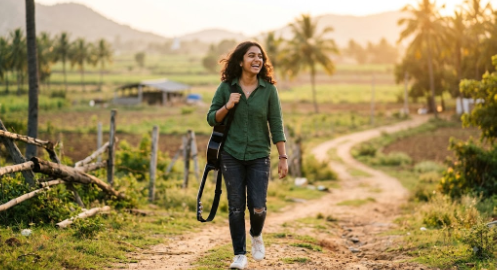
I’ve shot over 400 senior sessions over the past decade, and I’ve noticed something: the photos that actually end up printed, framed, and shared for years all have one thing in common — they don’t look staged. Real senior portraits catch the way a student actually laughs, stands, and moves through the world, not some stiff pose ripped from a 2004 yearbook. This guide covers how to plan a session, pick outfits and locations, and use the kind of posing tricks photographers actually reach for — so the pictures end up looking like the person, not a template.
What Makes a Senior Portrait “Authentic”?
An authentic senior portrait catches real expression, natural movement, and personal style instead of a forced grin and ramrod posture. The best sessions mix in candid moments — walking, laughing at something funny, glancing off camera — with a handful of classic posed shots for grandma’s mantel during senior portrait sessions with Kyra. The photographers that favor this kind of photography will shoot in natural light and select locations relevant to what the student is passionate about. They will allow the students’ personalities to dictate the photos rather than follow a pose sheet.
Planning the Session: Timeline and Location
Most families book senior sessions six to nine months before graduation, and if you’re shooting outdoors, golden hour — that stretch right after sunrise or before sunset — is where the light does most of the work for you.
A few things worth planning around:
- Book for late spring or early fall, when the light and weather both tend to cooperate.
- Scout two or three spots that actually mean something to the senior — a skate park, the family farm, a mural downtown, their go-to coffee shop.
- Block off 90 minutes to two hours, with at least one outfit change built in.
- Check whether the school needs a specific “traditional” drape shot for the yearbook.
Location matters more than most families think going in. A senior who plays varsity soccer is going to feel a lot more like themselves out on the field at dusk than posed against a studio backdrop — and that comfort shows up directly in the expressions you get.
Styling: Outfits, Colors, and Props
Clothing should be made to complement the setting and not to oppose it. Neutral tones will photograph better than anything too busy or with any logo on them because those things distract from your face. I recommend three wardrobe changes that consist of casual clothing, clothing pertaining to some sort of interest or accomplishment, and one piece of clothing that is dressier.
Props work best when they’re personal, not decorative — a guitar, a truck, a varsity letter, a dog. They give hands something real to do, and that’s often what sparks the genuine smile that never shows up when you just tell someone to “relax.”
Posing Tips That Actually Work
Good posing comes down to small adjustments, not big dramatic direction. A few things that consistently work:
- Angle the body slightly away from the camera, then turn the chin back toward the lens — it adds depth.
- Have them shift their weight onto the back foot; it loosens up the shoulders almost instantly.
- Give them something small to do — walk, toss their hair, adjust a jacket — and shoot mid-motion.
- Keep hands loose. Clenched fists or flat palms read as tense in photos every time.
Something like “look past my shoulder and think about summer” gets a far more natural expression than “smile big,” simply because it gives the brain something to actually do instead of just performing.
Since it is now the year 2026, more seniors are requesting images that are vertical and suitable for Instagram and college applications in addition to the standard print format, which is why good photographers will think about both when taking their photos during senior portrait sessions with Kyra.
Frequently Asked Questions
When should senior portraits be scheduled? Late spring through early fall, ideally six to nine months out from graduation — that gives enough runway for prints, announcements, and yearbook deadlines, plus the best shot at good light and weather.
How many outfit changes are typical for a senior session? Two to three is standard — one casual, one tied to a hobby or interest, and one polished look for the more traditional shots.
Do senior portraits have to be taken in a studio? Not anymore. Outdoor and location-based sessions are the norm now, mostly because they tend to produce looser, more natural expressions than a formal studio setup ever does.
Final Thoughts
Senior portraits that are true to who you are really boil down to three main factors: a meaningful location, a style that’s not a costume but rather true to who the student is, and poses that allow for actual expression. Avoid any photo-factory type setups and instead base your shoot on who the senior is at this moment. It’s the portrait they will want on their wall years later.






Comment