The Rise of Purpose-Built Electric Vehicles

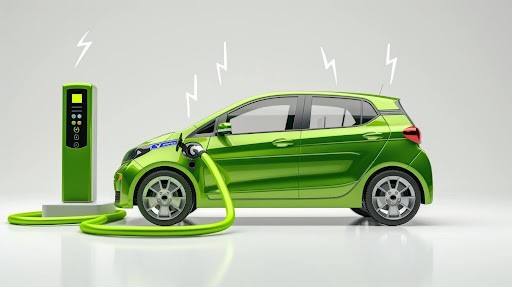
For years, the electric vehicle conversation has centered on replacing traditional gasoline-powered cars with electric versions. Automakers have invested heavily in electric sedans, SUVs, pickup trucks, and crossovers, giving consumers more choices for everyday transportation.
But electrification is doing something else that receives less attention. It is creating opportunities to rethink what a vehicle needs to be in the first place.
A vehicle designed for a daily highway commute has very different requirements from one used inside a resort, private community, coastal destination, golf community, or other short-distance environment. This is creating room for a growing category of purpose-built electric vehicles designed around specific environments and uses rather than conventional automotive expectations.
What Makes an Electric Vehicle Purpose-Built?
A purpose-built EV starts with the intended use rather than adapting an existing passenger vehicle to an electric powertrain.
That distinction can influence everything from the vehicle’s size and speed to its design, range, seating arrangement, and overall driving experience.
For example, a vehicle intended for short trips within a private community does not necessarily need the same highway capabilities as a family SUV. A resort transportation vehicle may need to prioritize maneuverability and passenger accessibility. A vehicle designed for a coastal destination may place greater emphasis on open-air driving and the overall experience.
This creates an opportunity for manufacturers to build electric vehicles around specific customer needs instead of trying to make one vehicle suitable for every situation.
Why Specialized EVs Are Gaining Attention
The growth of specialized electric mobility is partly connected to how people use vehicles.
Many journeys are relatively short. Transportation within resorts, neighborhoods, campuses, hotels, recreational destinations, and private communities often involves predictable routes and lower speeds. In these settings, a conventional passenger vehicle may provide capabilities that are unnecessary for the task.
Purpose-built EVs can approach these environments differently.
Instead of maximizing highway range or acceleration, manufacturers can focus on the characteristics that matter most for the intended application. That could include easy maneuverability, accessible seating, compact dimensions, quiet operation, distinctive design, and a driving experience suited to the environment.
The result is a broader definition of what an electric vehicle can be. Terms such as electric beach vehicle or open-air electric vehicle describe a broader category rather than simply a product specification. The vehicle is being used for a particular purpose and environment.
Moke America and the Lifestyle EV Category
Moke America provides an example of this approach.
The company has developed an electric version of the iconic Moke concept, combining the recognizable open-air format with modern electric technology. The resulting electric Moke is not positioned as a conventional replacement for a family sedan or long-distance SUV. Its appeal comes from a different combination of characteristics.
The open-air design, compact footprint, and recreational character make the vehicle suited to environments where driving itself can be part of the experience.
That includes coastal communities, resorts, hotels, golf destinations, private neighborhoods, and other locations where short-distance transportation is closely connected to leisure and lifestyle.
From Transportation to Application-Specific Mobility
The rise of purpose-built EVs also changes how businesses can think about transportation.
A hospitality operator, for example, may not need every guest vehicle to function like a conventional automobile. A resort could use specialized electric vehicles for short-distance guest transportation, property movement, or recreational activities.
Similarly, a private community may have different transportation requirements from a suburban household. A golf destination may value compact electric mobility differently from an urban commuter.
This creates potential opportunities for businesses to evaluate transportation according to the environment in which it operates.
For consumers, the same principle applies. Someone looking for an electric neighborhood vehicle may have very different priorities from someone shopping for an electric SUV. The former may care more about maneuverability, design, ease of use, and suitability for local trips.
Design Becomes Part of the Purpose
Purpose-built EVs also demonstrate that electric mobility does not have to follow the traditional automotive design formula.
A conventional vehicle is often designed around aerodynamics, cargo capacity, passenger protection, highway performance, and everyday practicality. Those priorities remain important for many vehicles, but specialized EVs can place greater emphasis on the environment and experience surrounding their use.
The Moke is an interesting example because its recognizable design is part of its appeal. The open-air format creates a different relationship between passengers, the vehicle, and the surrounding environment.
That distinction can be commercially important. A Moke electric car is not simply another electric vehicle competing on specifications. Its design helps define the reason someone might choose that type of vehicle in the first place.
A Broader Opportunity for Electric Mobility
The growth of purpose-built EVs does not mean conventional electric cars are becoming less relevant. Instead, it suggests that the electric vehicle market may become increasingly diverse.
As battery technology, electric drivetrains, manufacturing processes, and charging infrastructure continue to develop, manufacturers can explore applications that were previously difficult to justify with conventional powertrains.
Some of these opportunities may emerge in commercial fleets. Others may develop around hospitality, tourism, recreation, residential communities, campuses, and local transportation.
The key shift is that electrification gives manufacturers an opportunity to reconsider the vehicle itself, rather than simply replacing an internal combustion engine with an electric motor.
Moke America represents one example of what that evolution can look like. Its approach demonstrates how an electric vehicle can be developed around a specific lifestyle and environment rather than attempting to serve every transportation need.
As the EV market matures, that distinction could become increasingly important. The future of electric mobility may not be defined by one universal vehicle format. Instead, it may include a wider range of specialized vehicles, each designed to do a particular job exceptionally well.