
The Rise of HTML5 Gaming: How Free Browser Games Are Transforming Digital Entertainment

The digital gaming industry has traditionally relied on downloadable applications, dedicated gaming consoles, and powerful computers. However, advances in web technologies have created another approach to interactive entertainment: games that run directly inside modern browsers.
HTML5 gaming has made it possible for developers to distribute interactive experiences without requiring players to install separate software. From casual puzzles to multiplayer competitions, browser-based games are demonstrating how accessible technology can influence the future of digital entertainment.
How HTML5 Changed Browser Gaming
Earlier generations of browser games frequently depended on third-party plugins, particularly Adobe Flash. Although these technologies helped popularize online gaming, they also created compatibility and security challenges.
HTML5, JavaScript, and WebGL introduced more flexible ways to develop interactive experiences. Canvas enables developers to render graphics, while WebGL supports hardware-accelerated visual effects in compatible browsers.
Modern browser APIs also support audio, animations, input handling, and communication with online services. Together, these technologies provide the foundation for increasingly sophisticated browser games.
Developers can now build interactive applications using familiar web development tools while reaching users across different operating systems.
Why Installation-Free Gaming Matters
One of the main advantages of browser gaming is convenience. Players can access many titles through a website without downloading large installation packages or manually managing software updates.
This approach can reduce friction for users who want immediate entertainment, particularly those using shared computers or devices with limited storage.
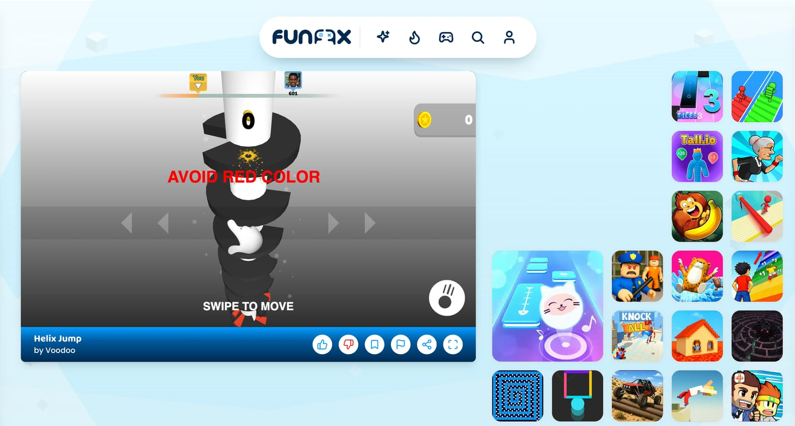
Games such as Helix Jump demonstrate how straightforward mechanics can create engaging experiences. Players guide a bouncing ball through rotating platforms, relying on timing and careful movement.
Tower Defense games offer a different experience, encouraging players to position defensive units strategically and respond to incoming threats.
These examples illustrate how browser gaming can support both quick arcade challenges and more thoughtful gameplay.
Cross-Platform Accessibility Creates Opportunities
Web-based distribution allows developers to reach audiences across desktop and mobile environments using shared technologies. A properly designed browser game can adapt its interface to different screen sizes and input methods.
However, cross-platform compatibility is not automatic. Developers must optimize performance, implement touchscreen controls, and test functionality across browsers and devices.
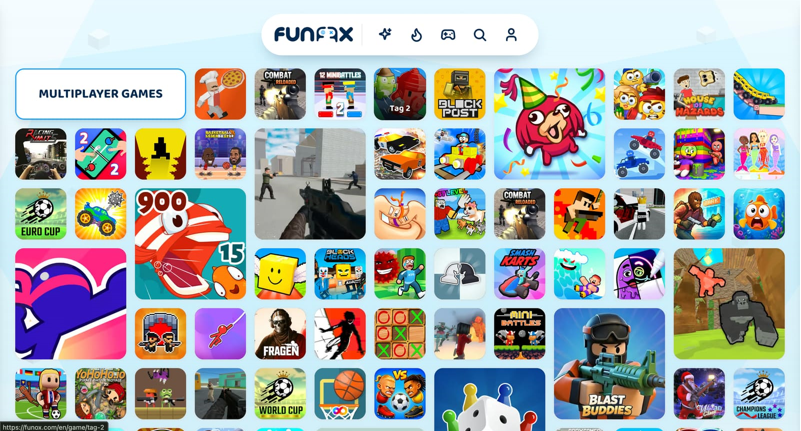
For example, Smash Karts demonstrates the possibilities of multiplayer vehicle-based action in a browser environment, while Mahjongg Dimensions offers a three-dimensional puzzle experience built around recognizing and matching tiles.
Different gameplay styles introduce different technical requirements, from responsive controls to graphics rendering and network communication.
Business Opportunities Behind Free Browser Games
Free browser gaming also presents opportunities for independent developers, publishers, and digital entertainment platforms.
Possible revenue models include advertising, sponsorships, licensing agreements, and optional purchases. The suitability of each model depends on the audience, game design, distribution agreements, and user experience.
Advertising-supported gaming can remove upfront payment barriers, but excessive advertisements may negatively affect player retention. Developers must balance monetization with loading speed, usability, and uninterrupted gameplay.
Browser-based distribution may also simplify updates because developers can deploy changes through their hosting infrastructure rather than requiring every user to install a new application version.
Performance and Security Remain Important
Despite its advantages, HTML5 gaming faces technical challenges. Complex graphics, inefficient JavaScript, and excessive asset sizes can affect loading times and responsiveness.
Developers must also address cybersecurity concerns, including secure communication, responsible data handling, and protection against malicious scripts.
Optimization techniques such as asset compression, caching, efficient rendering, and careful memory management can improve performance.
For multiplayer games, reliable networking and server infrastructure become particularly important because connection quality can directly affect gameplay.
What the Future Could Look Like
Improvements in browser engines, graphics APIs, and web development frameworks may continue expanding the types of games that can be delivered online.
Technologies such as WebAssembly and WebGPU also create opportunities for more demanding interactive applications, although browser support and implementation requirements vary.
The long-term appeal of browser gaming will depend on more than technical capabilities. Creative gameplay, accessibility, performance, and sustainable monetization will remain essential.
Final Thoughts
HTML5 gaming has helped transform browsers into capable platforms for interactive entertainment. By reducing installation requirements and supporting a wide variety of genres, browser games offer developers another route to reaching players.
As web technologies continue to improve, free online games are likely to remain an important part of the broader digital entertainment ecosystem.






Comment