
The Next Generation of Hotels: From Smart Rooms to Contactless Experience

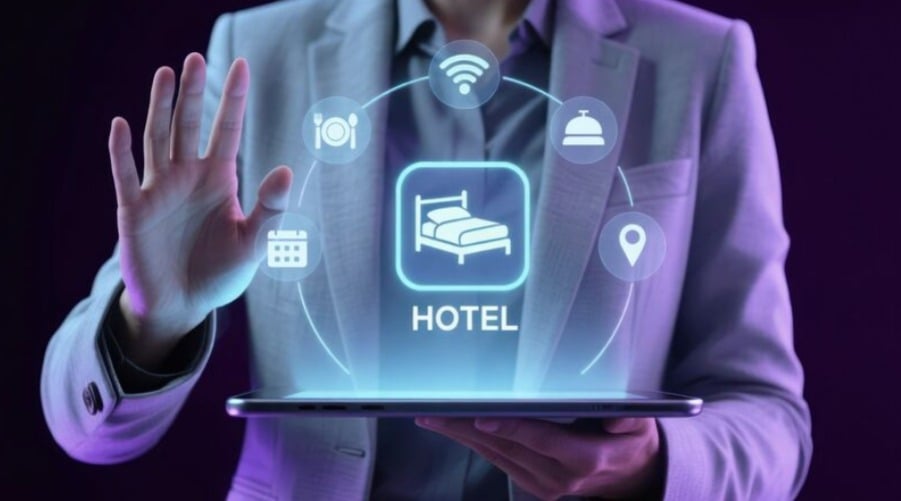
Best Hotel Technology Trends Transforming Guest Experience, Smart Rooms, Contactless Service, And Hospitality
Hotels are changing fast these days. Guests want their stay to feel as easy as using a phone app. They want to check in without standing in a line. They want to control the room from a screen. They want to order food with just one tap. Hotels that get this are spending money on new technology, and this is changing what people mean when they say a stay was ‘good.’
This article talks about the main technologies changing hotels today, why guests want them, and how hotel owners can use them without losing the warmth that hospitality needs.
Why Hotels Are Turning to Technology
The health crisis of the past years made hotels look closely at every step a guest goes through, from the front desk to the room key. Even now, those habits have stuck around. Travellers connect ease and safety with digital tools, and they judge a hotel by how well it mixes technology with comfort.
A few things are pushing this change. Guests expect the same ease they get from shopping apps and airline apps. Fewer staff are available these days, so hotels turn to automation instead. Hotels also want to save energy and cut waste. And home-stay apps already offer smooth digital service, so hotels have to match that.
Smart Rooms: The New Standard for Comfort
A smart room lets guests control their space through one app or just by talking to a voice assistant. Lights, curtains, temperature and TV can all be changed without touching a wall switch. This is not some small trend anymore. It is becoming a normal part of a hotel stay, even in mid-range hotels.
A smart room usually comes with a voice assistant that can answer questions and take requests. It gives app control for lights, temperature and entertainment. Sensors can tell when nobody is in the room and save energy on their own. Guests can even save their settings and use them again the next time they visit.
Contactless Service: A Real Convenience, Not Just a Safety Step
Contactless service started out as a safety step during the health crisis. Today it stands on its own as a real convenience. Mobile check-in, digital room keys and QR-code menus save guest time, and they free up staff for the things that need a human touch, like talking to guests and offering extra help.
Studies show that many travellers, close to eighty percent in some surveys, would download a hotel app if it let them check in, check out and read hotel information right from their phone. Close to three out of four said they would use an app to open their room door too.
Some of the common contactless tools used in hotels today are check-in and check-out through a phone or a self-service kiosk, digital room keys stored on a smartphone, QR codes for ordering food and viewing hotel information, and chat-based virtual assistants for guest questions.
The Internet of Things (IoT): Devices That Talk to Each Other
IoT is the network of small sensors and connected devices that make a smart hotel work. These devices keep an eye on room conditions, warn staff before something breaks, and help hotels offer service built around each guest. A thermostat that learns a guest’s favourite setting, or a system that tells housekeeping the moment a room needs cleaning, both work through this same network.
This network also helps staff work faster. Alerts go straight to housekeeping and maintenance teams. Power bills go down thanks to smarter energy use. Staff get an early warning before equipment breaks down, and they can check the status of every room from one screen.
Robots and AI: Helpers, Not Replacements for Staff
Robots have gone from being a novelty to being a genuinely useful tool in many hotels. Delivery robots bring food and supplies right to guest doors. Cleaning robots take care of lobbies and hallways. AI chatbots and virtual assistants answer guest questions at any hour of the day, handling simple requests so staff can spend more time on guests who need real attention.
Traditional Hotels vs Next-Generation Hotels
| Area | Traditional Hotel | Next-Generation Hotel |
| Check-in | Standing in line at the front desk with paper forms | Check-in through a phone or self-service kiosk |
| Room access | Metal or plastic key cards | Digital key stored on a smartphone |
| Room control | Wall switches and manual thermostats | Room control through an app or voice command |
| Guest questions | Calling or visiting the front desk | AI chatbot or virtual assistant |
| Service requests | Phone call to housekeeping or room service | Ordering through a QR code or app |
| Energy use | Fixed timings, checked by hand | Automatic, based on sensors |
| Personal touch | Same service given to every guest | Guest preferences saved and used again |
Keeping the Human Touch Alive
None of this technology is meant to take away the warmth that hospitality is known for. Hotels that get this right use digital tools to remove the small, repeated tasks, so staff have more time to care for guests directly. A warm welcome, a good suggestion, or quick help when something goes wrong, all of that still needs a real person.
Hotels adding these tools should keep a few things in mind. They should offer technology as a choice, not force it on every guest. They should train staff well, so no guest is left waiting when a system is being used. They should keep guest data safe, since these tools collect a lot of personal information. And they should try new tools in a small area first, before rolling them out across the whole property.
Final Thoughts
The next stage of hotel technology will likely bring even more personal service. This will come from data collected across a guest’s whole journey, starting from the first booking and going all the way to the final bill.
Guests can expect to see more virtual reality tours, which let them preview rooms and hotel spaces before they even arrive. Security will get stronger too, with fingerprint or face scans replacing traditional keys and check-in steps. Behind the scenes, more tasks will be handled through automation, making hotel operations faster and smoother. The hotels that use technology to support genuine, human service, rather than replace it, will be the ones guests keep choosing to return to.





Comment