
The Global Hemp Boom and What It Means for Businesses

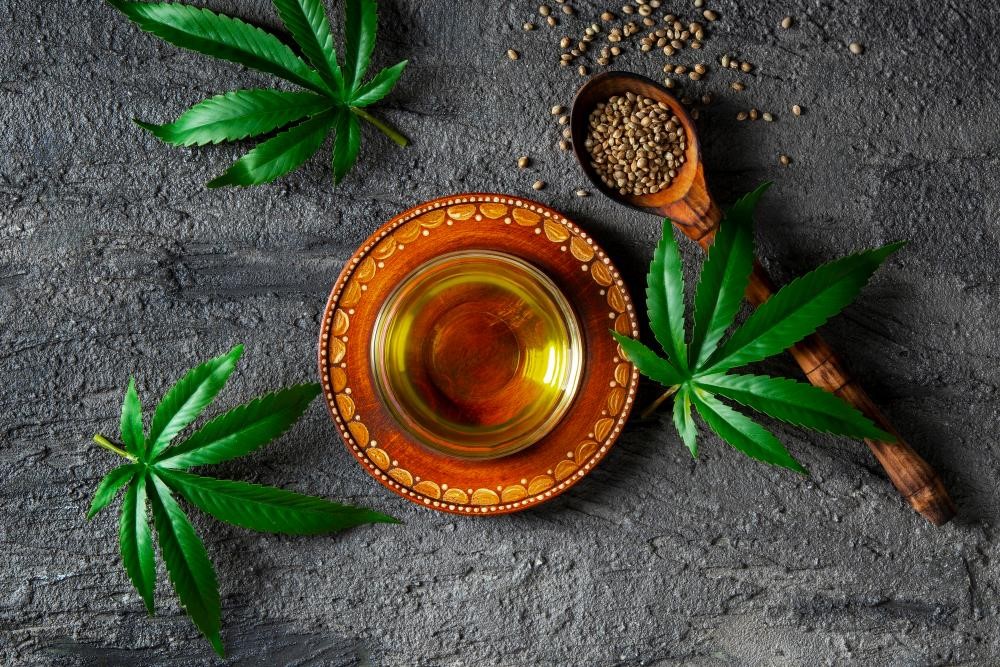
Markets around the world are changing rapidly, and few industries have attracted as much attention recently as hemp. What was once viewed as a limited agricultural product has evolved into a fast-moving global business opportunity touching everything from wellness and beauty to construction and manufacturing. Many entrepreneurs researching hemp industry growth stats are beginning to realize that this shift is not simply another short-lived trend. It reflects a broader change in consumer behavior, sustainability priorities, and international business development that continues gaining momentum year after year.
Part of what makes hemp so fascinating is its versatility. One plant can support multiple industries at once, which is rare in today’s market. Hemp fibers are used in textiles and biodegradable materials. Hemp extracts appear in wellness and skincare products. Hemp based ingredients are finding their way into food, beverages, and even eco friendly building materials. As more countries adjust regulations and consumers become increasingly educated, businesses are recognizing opportunities that previously seemed out of reach.
Why Businesses Are Paying Attention
Growth attracts attention naturally, but the hemp industry offers more than impressive numbers. Companies are interested because hemp connects with several major trends shaping global markets right now.
Consumers are demanding sustainable products. Investors are searching for emerging industries with long term potential. Manufacturers are exploring alternative materials that reduce environmental impact without sacrificing quality. Hemp fits into each of those conversations naturally.
That combination has created a level of momentum difficult to ignore. New businesses are entering the market quickly, while established companies are expanding product lines to include hemp based options. The industry feels energetic because opportunities exist across multiple sectors at the same time.
For many entrepreneurs, hemp represents a chance to enter a growing market before it becomes fully saturated. Timing plays a huge role in business success, and many believe the hemp industry still sits in a powerful expansion phase.
Consumers Are Driving Much of the Demand
One of the strongest forces behind the hemp boom is changing consumer behavior. Modern buyers are paying closer attention to ingredients, sourcing practices, and environmental impact than ever before. Products connected to sustainability and plant based innovation are no longer niche purchases. They are becoming part of mainstream buying habits.
People want products that align with healthier lifestyles and environmentally conscious choices. Hemp appeals to that mindset because it can be cultivated efficiently while supporting a wide range of applications.
Skincare brands, clothing companies, wellness businesses, and food manufacturers have all recognized this shift. Hemp products now appear in stores where consumers may not have expected to see them even a few years ago.
Education has also played an important role. As public understanding of hemp improves, hesitation continues fading in many markets. Consumers are becoming more comfortable exploring hemp related products because they now understand the difference between industrial hemp and other cannabis related categories.
That growing awareness continues opening doors for businesses willing to adapt.
Sustainability Has Become a Competitive Advantage
Businesses are under increasing pressure to demonstrate environmental responsibility. Customers notice it. Investors notice it. Even supply chain partners are paying closer attention to sustainability practices.
Hemp stands out because it supports several eco-friendly goals at once. The plant grows relatively quickly, requires fewer resources than some traditional crops, and can be used in biodegradable materials that appeal to environmentally conscious consumers.
This matters because sustainability is no longer treated like a bonus feature. In many industries, it has become part of brand identity and long term business strategy.
Companies incorporating hemp into products or manufacturing processes often position themselves more effectively in markets where environmental responsibility influences purchasing decisions.
That shift can be seen across industries. Fashion brands promote hemp based fabrics. Construction companies explore hemp materials for insulation and sustainable building alternatives. Beauty brands highlight plant based ingredients that align with natural product trends.
Hemp fits naturally into the broader movement toward cleaner and more responsible business practices.
Innovation Is Pushing the Industry Forward
One reason the hemp industry feels so dynamic is the constant wave of innovation surrounding it. Entrepreneurs are discovering new uses for hemp regularly, which keeps the market moving in fresh directions.
Some businesses focus on wellness products and supplements. Others invest in sustainable packaging, biodegradable plastics, or advanced textile manufacturing. Researchers continue exploring industrial applications that could reshape parts of the construction and automotive industries as well.
This level of experimentation creates excitement because the full commercial potential of hemp still feels largely untapped. Many industries are only beginning to understand how versatile the plant can be.
Innovation also attracts investment. Investors tend to gravitate toward industries where technology, sustainability, and consumer demand intersect. Hemp sits directly within that intersection, making it appealing for startups and larger corporations alike.
As more businesses enter the space, competition increases, but so does creativity. That often leads to better products, stronger branding, and expanded market opportunities overall.
Challenges Still Exist
Despite the optimism surrounding the industry, hemp businesses still face important challenges. Regulations can change quickly, and navigating compliance across multiple regions requires careful attention. Banking and payment processing can also create complications in certain markets.
Consumer education remains another hurdle. While awareness has improved significantly, misunderstandings still exist regarding hemp products and their uses. Businesses often need to invest time into explaining products clearly and building trust with customers.
Supply chain consistency also matters. As demand rises, maintaining quality standards becomes increasingly important for businesses hoping to build long term credibility.
The companies most likely to succeed are often the ones treating hemp as a serious professional industry rather than relying purely on market hype.
Preparation, transparency, and adaptability remain essential.
What the Future Could Look Like
The future of the hemp industry feels wide open in many ways. Continued legal adjustments, expanding consumer demand, and growing interest in sustainability suggest that momentum may continue for years to come.
Businesses entering the market now are positioning themselves within an industry still actively shaping its identity. That creates opportunities for innovation, brand recognition, and long term growth that can be difficult to find in more mature industries.
Hemp’s versatility gives it unusual staying power as well. Unlike trends built around a single product category, hemp connects to wellness, agriculture, manufacturing, sustainability, and technology simultaneously.
That broad relevance makes the industry particularly interesting from a business perspective.
For entrepreneurs, investors, and companies searching for emerging opportunities, hemp represents more than a passing phase. It reflects changing consumer priorities and a global push toward more adaptable, sustainable, and forward thinking business models. The businesses paying attention now may ultimately be the ones shaping where the industry goes next.




Comment