
The Different Types of Goth Fashion and How to Wear Them

The Different Types of Goth Fashion and How to Wear Them
Goth fashion is far more diverse than black clothing and dramatic makeup. Since emerging from the post-punk music scene in the late 1970s and early 1980s, the gothic aesthetic has evolved into several distinctive styles, each with its own influences, silhouettes, and accessories.
From romantic Victorian-inspired outfits to modern streetwear, gothic fashion offers numerous ways to express individuality. Understanding the different types of goth fashion can help you discover which aesthetic best suits your personality and wardrobe.
1. Traditional Goth: The Classic Gothic Look
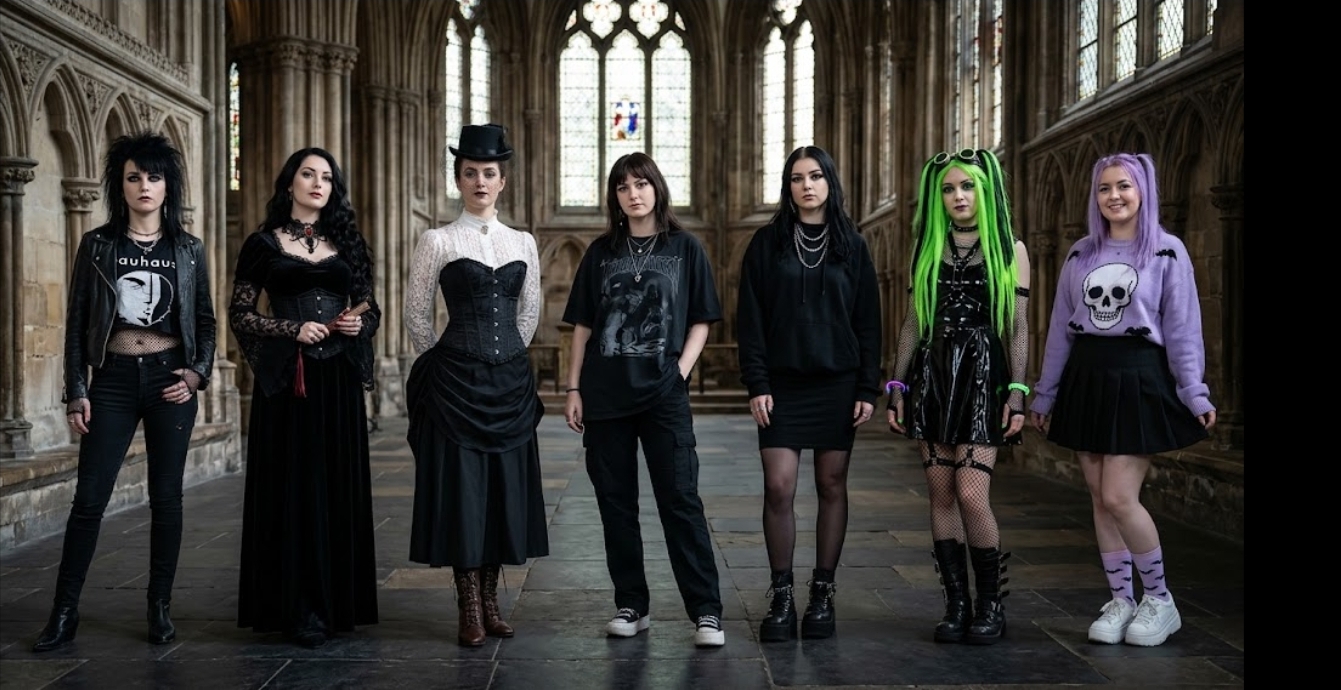
Traditional goth, often called trad goth, is closely connected to the original gothic rock scene of the 1980s.
Inspired by bands such as Bauhaus, Siouxsie and the Banshees, and The Cure, this style features black clothing, fishnet fabrics, leather jackets, and distinctive hairstyles.
To create a traditional goth outfit, combine black skinny jeans or a mini skirt with a band T-shirt, fishnet tights, and pointed boots. Silver jewelry and dramatic eyeliner complete the look.
Trad goth emphasizes the connection between music, alternative culture, and personal expression.
2. Romantic Goth: Elegance and Dark Romance
Romantic goth draws inspiration from Victorian fashion, Gothic literature, and historical romanticism.
This aesthetic favors flowing dresses, lace blouses, velvet skirts, and delicate accessories. Black remains the dominant color, although burgundy, dark purple, and deep red are also common.
For a romantic gothic outfit, pair a long lace skirt with a fitted blouse and ankle boots. Add a cameo necklace or lace choker for a vintage-inspired finishing touch.
The key is combining elegant fabrics with dramatic silhouettes without overwhelming the outfit.
3. Victorian Goth: Historical Fashion With a Dark Twist
Victorian goth shares similarities with romantic goth but places greater emphasis on nineteenth-century clothing.
Corsets, high-neck blouses, long skirts, waistcoats, and tailored coats are characteristic elements of this style.
Women’s outfits often incorporate lace, brocade, and structured bodices, while men’s looks may feature formal shirts, fitted jackets, and vintage accessories.
A Victorian-inspired gothic outfit can be created by combining a black corset with a long skirt and a lace blouse. Pocket watches, ornate jewelry, and lace-up boots reinforce the historical influence.
4. Casual Goth: Gothic Fashion for Everyday Wear
Casual goth offers a more understated interpretation of the aesthetic, making it particularly suitable for everyday clothing.
Rather than elaborate costumes or dramatic silhouettes, this style focuses on versatile black garments and carefully selected accessories.
Oversized graphic tees, black jeans, mesh tops, hoodies, and chunky boots are common choices.
For an effortless casual goth outfit, combine a black graphic T-shirt with wide-leg trousers, platform shoes, and a silver necklace.
The appeal of casual goth lies in its simplicity. A few distinctive pieces can establish a gothic identity without requiring an entirely specialized wardrobe.
5. Nu Goth: A Modern Interpretation of Gothic Style
Nu goth blends traditional gothic influences with contemporary streetwear and minimalist fashion.
The aesthetic became particularly recognizable during the 2010s, featuring oversized silhouettes, monochromatic outfits, geometric graphics, and platform footwear.
Unlike traditional goth, nu goth generally places less emphasis on elaborate hairstyles and historical references.
To recreate this style, pair a black oversized top with a fitted skirt or wide-leg trousers. Add chunky boots, layered necklaces, and a structured bag.
Nu goth works especially well for people who appreciate gothic aesthetics but prefer modern clothing.
6. Cybergoth: Gothic Fashion Meets Futurism
Cybergoth combines gothic fashion with industrial music, rave culture, and futuristic influences.
Unlike traditional gothic styles, cybergoth frequently incorporates neon colors, synthetic hair extensions, PVC clothing, and oversized platform boots.
Black remains a foundation, but bright green, pink, blue, and purple create striking contrasts.
To experiment with cybergoth fashion, combine black cargo pants with a fitted top, platform boots, and colorful accessories. Goggles and industrial-inspired details can reinforce the futuristic appearance.
This aesthetic is particularly associated with alternative music events and club culture.
7. Pastel Goth: Combining Dark and Playful Elements
Pastel goth challenges the idea that gothic fashion must always be entirely black.
This style combines gothic symbols and alternative clothing with soft colors such as lavender, baby pink, mint green, and pale blue.
Oversized sweaters, platform shoes, pleated skirts, and accessories featuring bats, skulls, or crosses are common elements.
For a pastel goth outfit, pair a lavender oversized sweater with a black pleated skirt and chunky platform boots.
The contrast between playful colors and darker imagery creates a distinctive aesthetic influenced by internet fashion and Japanese streetwear.
How to Find Your Personal Goth Style
Choosing between the different types of goth fashion depends on your preferences, lifestyle, and the influences you enjoy most.
If you appreciate historical elegance, romantic or Victorian goth may be particularly appealing. Traditional goth offers a stronger connection to the original music scene, while casual goth and nu goth provide more understated options for everyday wear.
You don’t need to follow one category exclusively. Combining elements from different styles can create outfits that feel more personal. Visit sites like b for inspiration for unique gothic outfits.
For example, a Victorian-inspired lace blouse can work with modern wide-leg trousers, while traditional fishnet accessories can add character to a casual outfit.
Conclusion
Gothic fashion encompasses a wide variety of styles, from the music-inspired clothing of traditional goth to the elegance of romantic and Victorian aesthetics.
Modern interpretations such as nu goth, cybergoth, and pastel goth demonstrate how the aesthetic continues to evolve through different cultural influences.
Whether you prefer elaborate outfits or simple everyday clothing, exploring these styles offers countless opportunities to develop a distinctive wardrobe while expressing your individuality.







Comment