
The Complete Guide to Maintaining a Clean Commercial Office

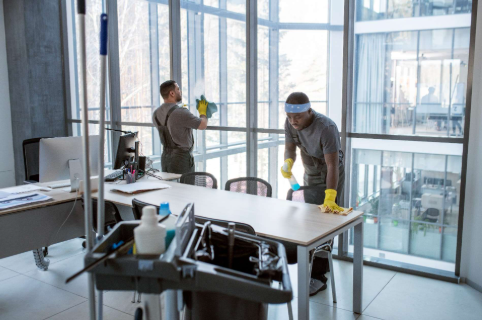
A clean commercial office is more than just an attractive workplace. It can contribute to a healthier environment, create a better impression on visitors and clients, and help employees feel comfortable and productive throughout the workday. From reception areas and conference rooms to kitchens and restrooms, every part of an office requires regular attention.
For businesses looking for a commercial cleaning service in Las Vegas, maintaining a consistently clean office can be challenging. High foot traffic, shared workspaces, dust, food waste, and frequently touched surfaces can quickly make a workplace look untidy. A structured cleaning routine, supported by professional cleaning services when needed, can help businesses maintain a professional environment without allowing cleaning tasks to become overwhelming.
Whether you manage a small office, a large commercial building, or a customer-facing business, understanding the fundamentals of commercial cleaning can help you create a cleaner and more welcoming workplace.
Here is a practical guide to maintaining a clean commercial office.
1. Create a Regular Cleaning Schedule
One of the most important steps in maintaining a clean office is establishing a consistent cleaning schedule. Instead of waiting until an area becomes visibly dirty, businesses should identify which areas need daily, weekly, and monthly attention.
Daily cleaning may include emptying trash bins, vacuuming high-traffic areas, cleaning restrooms, wiping frequently touched surfaces, and maintaining kitchen or break-room areas.
Weekly cleaning can include deeper floor cleaning, dusting less frequently used surfaces, cleaning interior glass, and sanitizing shared areas.
Monthly or periodic tasks may include detailed cleaning of carpets, upholstery, windows, vents, baseboards, and other areas that are not part of the daily routine.
A clearly defined schedule makes it easier for employees and cleaning teams to understand their responsibilities and helps prevent important tasks from being overlooked.
2. Pay Special Attention to High-Traffic Areas
Some areas of an office become dirty much faster than others. Entrances, hallways, elevators, reception areas, meeting rooms, and break rooms typically receive significant foot traffic throughout the day.
These areas should receive frequent cleaning because dirt and debris can easily spread throughout the building. Floors should be vacuumed or mopped regularly, while entrance areas may require additional attention during periods of heavy traffic or poor weather.
Reception areas deserve particular attention because they are often the first part of the business that visitors see. A clean and organized entrance can help create a professional first impression.
3. Keep Frequently Touched Surfaces Clean
Desks and floors are easy to notice when they become dirty, but frequently touched surfaces can be overlooked. Door handles, light switches, elevator buttons, keyboards, shared phones, cabinet handles, and conference-room equipment can be touched by many people throughout the day.
These surfaces should be cleaned regularly as part of the office’s routine maintenance.
Businesses can also encourage employees to keep their individual workstations organized and clean. Providing appropriate cleaning supplies in accessible locations can make it easier for employees to take care of small messes before they become larger problems.
4. Maintain Clean and Organized Restrooms
Office restrooms require consistent attention because they are frequently used and can quickly become unpleasant if they are not properly maintained.
A restroom cleaning routine should include cleaning and disinfecting toilets, sinks, faucets, counters, mirrors, floors, and other commonly touched surfaces. Trash should be removed regularly, and essential supplies such as hand soap, toilet paper, and paper towels should be replenished.
For larger commercial buildings, restroom inspections throughout the day can help identify issues before they become noticeable to employees or visitors.
5. Don’t Ignore the Office Kitchen and Break Room
Break rooms and office kitchens can quickly accumulate food waste, spills, stains, and unpleasant odors. Because employees often eat and prepare food in these spaces, regular cleaning is essential.
Countertops, tables, sinks, appliance handles, refrigerators, microwaves, and other shared surfaces should be cleaned regularly. Food should not be allowed to remain in refrigerators or cabinets for extended periods.
Employees should also be encouraged to clean up after themselves. A simple workplace policy requiring staff to wash dishes, dispose of food waste, and wipe down shared surfaces can make a significant difference.
6. Keep Floors and Carpets in Good Condition
Office flooring receives constant use, making it one of the most noticeable parts of a commercial property. Dirt and debris can be tracked into a building from outside and gradually become embedded in carpets or accumulate on hard floors.
Vacuuming should be performed regularly, especially in high-traffic areas. Hard floors may require sweeping and mopping, while carpets can benefit from periodic deep cleaning.
Professional carpet and floor cleaning can also help address stains and buildup that ordinary vacuuming cannot remove. Businesses should determine cleaning frequency based on the type of flooring, amount of traffic, and specific needs of the property.
7. Clean Windows and Glass Surfaces
Clean windows and glass doors can make an office appear brighter, cleaner, and more professional. Fingerprints, dust, and streaks can become particularly noticeable on glass surfaces located near entrances and meeting rooms.
Interior glass should be cleaned regularly, while exterior windows may require professional cleaning depending on the building’s size and accessibility.
Clean windows can also help maintain the overall appearance of a commercial property and contribute to a more polished workplace environment.
8. Encourage Employees to Maintain Their Workspaces
Professional cleaners can handle many of the major cleaning responsibilities, but employees also play an important role in maintaining an organized workplace.
Employees should be encouraged to keep desks organized, dispose of trash properly, avoid leaving food at workstations, and clean up spills immediately.
A clean-desk policy can also help reduce clutter in shared and individual work areas. The goal should not be to place the responsibility for commercial cleaning entirely on employees, but rather to encourage everyone to contribute to a cleaner workplace.
9. Use Professional Commercial Cleaning Services When Needed
For many businesses, maintaining a commercial office entirely through internal staff can be difficult. Employees have their own responsibilities, and cleaning large facilities requires time, equipment, and expertise.
A professional commercial cleaning service can provide scheduled cleaning based on the specific requirements of a business. Services may include office cleaning, restroom maintenance, floor care, window cleaning, dusting, trash removal, and other specialized tasks.
Professional cleaning can be particularly useful for larger offices, high-traffic facilities, multi-tenant buildings, and businesses that require cleaning outside normal working hours.
When choosing a cleaning provider, businesses should consider factors such as experience, service flexibility, cleaning procedures, insurance, communication, and the ability to customize a cleaning plan.
10. Adjust Cleaning Based on Your Office’s Needs
There is no single cleaning schedule that works for every commercial office. A small office with a few employees may require a different routine than a large corporate building with hundreds of workers.
Businesses should consider the number of employees, daily visitors, operating hours, type of business, floor space, and high-traffic areas when creating their cleaning plan.
For example, a customer-facing business may require more frequent cleaning of reception areas and public spaces, while an office with a large kitchen or break room may need additional attention in those areas.
Regularly reviewing the cleaning plan can help businesses identify areas that require more frequent service and eliminate tasks that are unnecessary.
11. Conduct Regular Cleaning Inspections
A cleaning schedule is only effective if the work is completed properly. Businesses can conduct regular inspections to identify areas that need additional attention.
Managers or facility teams can check restrooms, floors, common areas, kitchens, conference rooms, and entrances. If recurring problems are identified, the cleaning schedule can be adjusted accordingly.
For businesses working with an external cleaning company, regular communication can help ensure that expectations remain clear and that any concerns are addressed quickly.
12. Make Cleanliness Part of Workplace Culture
Maintaining a clean commercial office should not be treated as an occasional task. It should become part of the workplace culture.
Simple practices such as keeping shared spaces organized, cleaning up after meetings, properly disposing of waste, and reporting maintenance issues can help maintain cleanliness throughout the day.
When employees understand the importance of a clean workplace and have clear guidelines to follow, maintaining the office becomes easier for everyone.
Final Thoughts
Maintaining a clean commercial office requires consistency, planning, and cooperation. A successful cleaning routine should cover everything from high-traffic areas and frequently touched surfaces to restrooms, kitchens, floors, carpets, and windows.
Businesses should develop a cleaning schedule based on their specific needs and regularly review whether it is working effectively. While employees can help maintain their individual and shared spaces, professional cleaning services las vegas can provide the additional support needed to keep larger commercial environments consistently clean.
A well-maintained office is ultimately an investment in the workplace itself. With the right cleaning schedule, clear responsibilities, regular inspections, and professional support when necessary, businesses can create a cleaner, more organized, and welcoming environment for employees, customers, and visitors.






Comment