
The ₹5,000 Lifeline: How Micro-Credit Is Transforming Financial Access in India

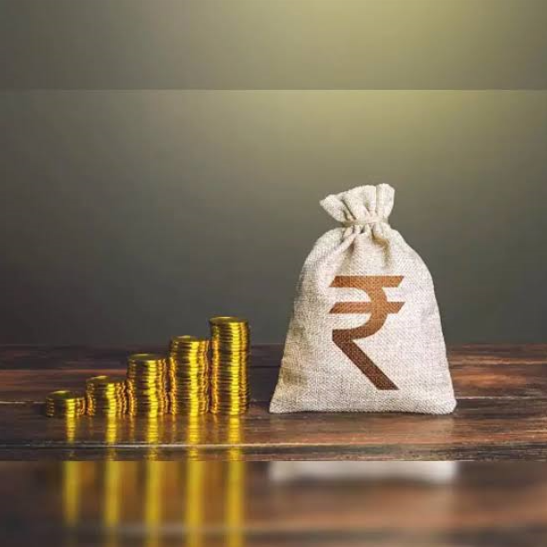
India is a country of ambitions and aspirations. But most of these usually run on money. For millions of Indians, a shortfall of just a few thousand can pose a huge gap between opportunity and setback. Cash is always needed, whether it’s for an auto-rickshaw driver whose car requires a ₹3,000 clutch repair or a home-based tailor who needs ₹4,500 worth of cloth to fulfill an order for a festive season. Yet for decades, formal credit has remained relentlessly out of reach for this very segment of the population. Banks have traditionally required credit histories, salary slips, collateral, and a level of paperwork that simply does not apply to those working in the informal economy. The result is a deep, persistent credit gap that pushes people towards moneylenders who are notorious for charging interest rates that compound faster than any income can keep pace with.
The Credit Gap No One Talks About Enough
Over 600 million adults in India are employed. Gig workers, daily wage earners, self-employed vendors, homemakers, and first-time borrowers are among those who are still mainly shut out of the official lending system. Conventional banks are designed for professionals on salaries who have proof of their income. Everyone else usually gets overlooked.
This is a serious issue. It is among the world’s biggest obstacles to financial inclusion. Those who most need credit, whether to cover cash flow gaps, deal with crises, or take advantage of a small business opportunity, frequently lack a secure and cost-effective way to obtain it.
Fintech Is Closing the Gap
Lenders that prioritize technology are rewriting the regulations. Fintech platforms such as FatakPay have made it feasible to evaluate creditworthiness without a salary slip or a guarantor, something that traditional banks were unable to accomplish. Within minutes of an application, these platforms may assess a first-time borrower and grant a 5000 loan based on alternative data like mobile usage trends, transaction history, and repayment behaviour.
There are no tedious branch visits or endless mountains of paperwork to deal with and no waiting period that stretches into weeks either. The loan application process entirely digitalized and the disbursal happens from a few hours to even minutes after applying.
Financial Security for the Gig Economy
One of the most underserved groups in India’s workforce is the gig economy, which is estimated to include over 12 million workers. These include food delivery partners, cab drivers, home service professionals, and freelance workers of every kind. Their income is real, often substantial, but it is irregular, platform-dependent, and invisible to formal credit systems.
For someone in this segment, a ₹5000 quick loan might truly change their life. Think about Sunil, a delivery partner in Mumbai whose bike broke down in the middle of the month. He wouldn’t make any money for a full week if he didn’t have repair money. With immediate access to ₹5,000, he returns to driving the same day, pays back the loan in manageable installments over the course of the following month, and bears no losses.
Another example is Meena, a Pune-based beauty expert who works from home and accepts reservations for small events. A last-minute bulk product purchase of ₹4,800 would triple her revenues for a wedding season weekend, but the money isn’t in her account. A small digital loan quickly closes the gap, turning a missed opportunity into a profitable one. These are not speculative. Small-ticket lending is now making it possible for people all throughout India to make these routine financial decisions.
Small Loans, Big Impact
The significance of a ₹5,000 loan is not the amount itself. It is the access it represents. It tells a first-time borrower that they are creditworthy. It builds a financial identity for people who have never had one. It offers dignity alongside liquidity. When the amount is repaid responsibly, it opens the door to larger loans and better interest rates terms over time.
Transparency is equally important. Many fintech lenders today offer a ₹5000 instant loan with clear interest terms, no hidden charges, and repayment schedules built around how real people actually earn, not how banks wish they did.
The Bottom Line
India’s credit history is being rewritten, one instant loan at a time. A fintech like FatakPay or Kissht are providing an alternative solution for the millions of people who have been rejected by conventional banks. And sometimes ₹5,000 is all it takes to completely alter someone’s financial life trajectory at the right time.







Comment