Modern industrial plants are undergoing massive structural transformations across every department. Operational teams rely on real-time data, automated machinery, and modern software to maintain full efficiency. Production supervisors must maintain high performance while keeping equipment failure rates low. Balancing technological updates with day-to-day physical hardware management keeps daily output smooth. Moving toward modern systems gives manufacturing facilities a competitive edge in fast-moving markets.
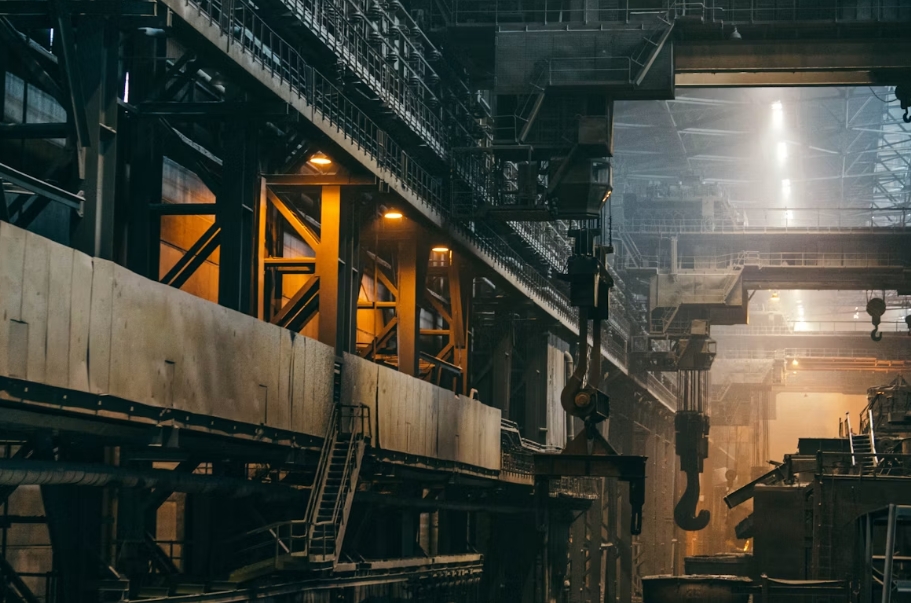
Smart Manufacturing Driving Operational Efficiency
Factory floors are shifting toward smart manufacturing methods to boost bottom-line results. Facility managers keep spare compressor parts stored on location to handle sudden breakdowns without stopping production completely. Having quick access to critical components prevents costly downtime during unexpected mechanical failures.
Plant engineers understand that physical hardware repairs remain a necessity even in digitized environments. Hardware components suffer standard wear during continuous high-volume production cycles. Scheduling routine inspections helps identify aging parts before complete mechanical breakdown happens. Combining regular component checks with digital tracking keeps assembly lines moving without sudden interruptions.
Connected Automation and Financial Returns
Connecting plant machinery to unified software platforms allows teams to spot wear before system failure occurs. An industry document from an advanced manufacturing group highlighted that implementing smart manufacturing practices yields a 10-20x return on investment for operating expenses. Investing in proper hardware updates pays off by lowering overhead costs.
Modern software tools calculate the exact financial impact of equipment downtime across every shift. Facility leaders make data-driven decisions when planning annual equipment upgrades. Managing facility resources through connected software creates high production output with minimal financial waste. Upgrading operational strategy brings long-term financial stability to industrial organizations.
Predictive cost tracking reduces budget variances during major maintenance quarters. Supervisors direct capital toward high-performing hardware setups rather than temporary fixes. Smart operational planning protects capital investments across multi-year production cycles.
Predictive Monitoring and Machinery Lifespan
Data collection tools take over routine maintenance duties across modern assembly facilities. An automation organization noted that integrating IoT sensors alongside AI algorithms allows predictive maintenance routines to lower equipment failures while extending machine longevity.
Plant managers rely on connected technologies to achieve several distinct operational benefits:
- Continuous tracking of system temperature and internal vibration levels
- Automatic maintenance alerts sent directly to technical support staff
- Lower emergency repair costs and fewer unexpected component swaps
- Improved energy efficiency across large physical facilities
Using smart sensors removes guesswork from daily equipment maintenance schedules. Technicians focus their energy on scheduled upgrades rather than putting out operational fires. Maintenance teams gain complete clarity regarding equipment health across every section of the plant floor.
Digital Supply Integration and Workflow Safety
Factory logistics are shifting to automated inventory tracking systems. These software tools monitor component wear and reorder necessary supply items before inventories run dry. Tracking warehouse stock through automated channels prevents costly production delays across entire factory networks.
Real-time visibility helps purchasing departments secure necessary components at stable prices. Operations avoid expensive rush shipping fees by placing orders well before critical failures occur. Managing warehouse stock through integrated software creates a predictable operational environment for industrial facilities.
Automated inventory alerts keep stock levels balanced without cluttering warehouse floor space. Supply chain managers order precise quantities based on real usage data. Digital inventory tools reduce component storage overhead while maintaining high operational readiness.
Industrial operations will continue adopting advanced digital tools and connected hardware to stay competitive. Combining smart monitoring systems with proactive maintenance strategies gives facility leaders complete control over production schedules. Organizations that update their operational strategies now will secure higher reliability and lower operating costs for years to come.