
Sree Kotay’s Leadership Principles for Engineering Teams That Scale

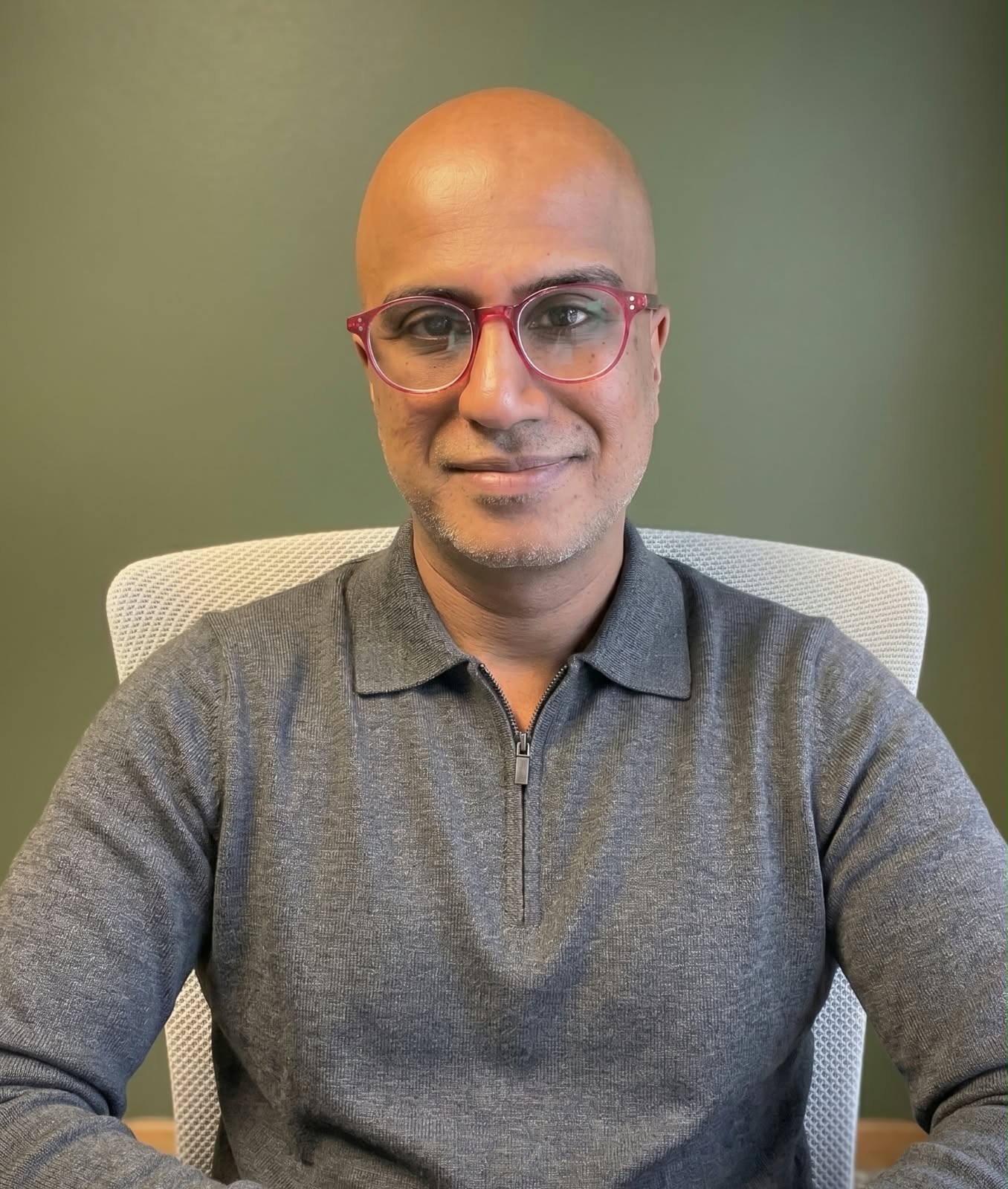
As engineering teams grow, leaders have more people to manage, more ideas to consider and more decisions demanding their attention. However, adding more people, systems and responsibilities does not automatically make an organization stronger.
For Sree Kotay, the more important questions are whether the team is solving the right problems, whether people are suggesting worthwhile ideas and whether everyone understands where the company is going.
Kotay has spent more than 30 years building and leading technology organizations across software, hardware, services and consumer technology. Today, he serves as Chief Technology Officer of a stealth-mode fintech company.
Previously, he held engineering leadership roles at goPuff and Comcast, where he helped lead the development of the Emmy Award-winning X1 entertainment platform.
For a new CTO or VP of Engineering joining a fast-growing company, Kotay sees three priorities as especially important: keeping the customer at the center of decisions, hiring people who bring creativity and different perspectives, and giving the organization a clear sense of direction.
A small team can communicate quickly and make decisions with fewer complications. As more people and processes are added, communication becomes harder, decisions take longer and teams can lose sight of the customer or the larger goal.
In Kotay’s view, building resilient teams means holding on to those priorities even as the organization gets bigger. To do so, leaders need to understand the problem, bring the right people into the conversation, and make sure everyone knows where the team is headed next.
Ultimately, scaling an engineering organization is about more than hiring people or adding technology. It is about building an organization that can grow without losing its focus, creativity, customer awareness or direction.
Why Growing Engineering Teams Need to Stay Externally Focused
Kotay’s first principle is about the people the organization is supposed to serve.
“The customers are outside the building,” he said. “Making employees and executives happy is a good tactic, but it’s not the goal.”
That does not mean the needs of employees or executives don’t matter. Keeping people inside the company engaged and supported can help an organization operate effectively, but those internal priorities should not come at the expense of the customer problem the team is trying to solve.
One of the biggest mistakes growing engineering organizations can make, Kotay says, is “Solving the wrong problem really well.” A team can put significant time and skill into a solution and still miss the mark if it started with the wrong question.
Kotay believes leaders need to challenge the question itself and dig into the assumptions behind it. Often, that is where misalignment starts.
In practice, this means spending enough time understanding the problem before development begins instead of treating the initial definition as a given. The goal is not simply to execute well, but to make sure the team is solving a problem that truly matters.
The same applies to product development. Technology teams can become so focused on producing a solution that they leave customers to figure out how to make it work in their lives. He uses Apple as an example, arguing that the company’s focus is less on building products and more on solving problems.
The key is to identify the correct problem the customer is facing and then keep it at the center of the process.
Kotay’s Hiring Philosophy: Creativity and Energy Over Conformity
Once the problem is clear, Kotay’s second principle focuses on the people who will end up solving it.
“Good ideas can come from anywhere,” he said. “Encourage diversity of thought. What you want most from information workers is their creativity and energy.”
Kotay’s argument is that good ideas should not be limited to senior leaders or one part of the organization. The people closest to the work may see something others don’t, and different perspectives can help a team look at a problem in ways it might otherwise miss.
That can be especially important when a team is trying to question its own assumptions. Sree Kotay suggests using inversion as one way to do that. Instead of asking only how to solve a problem, look at it from the opposite direction.
“Often inverting a problem gives you better insight into understanding the real constraints,” he said.
A team might ask what would make the problem worse, what assumptions they are making and what they might be taking for granted.
Ultimately, this principle comes back to his warning about solving the wrong issue well. If everyone accepts the first version of the question, even a talented team can end up going further down the wrong path. Different perspectives create more opportunities to catch that mistake early in the process.
Creativity, for Kotay, is not separate from engineering. It is part of the job. He wants people to bring their own ideas and ways of looking at a problem instead of expecting everyone else to think like they do and come to the same conclusion.
Why Alignment Matters More Than Consensus
Giving people room to share their ideas does not mean everyone should go in a different direction. Once those ideas have been voiced, the organization still needs to come together around a decision. This is where Kotay’s third principle comes in.
“It’s not a democracy. Nothing works without unity of vision,” he said. “The people you hire should be making your job easier, not the other way around.”
That may seem at odds with his emphasis on different perspectives, but the two ideas serve different purposes.
People should feel comfortable speaking up, questioning assumptions and offering another way of looking at a problem. However, once those perspectives have been considered, leaders still have to make a decision and keep the organization moving down the right path.
The Narration Gap: Connecting Product Innovation to Existing User Habits
Kotay believes technology teams often don’t spend enough time thinking about how a product or feature will fit into customers’ everyday habits.
“People tend to underweight narration as a part of product and feature introduction,” he explained. “Tutorials and release notes aren’t enough, you have to think deeply about how the product or features intersects existing behaviors.”
For engineering leaders, that means understanding how customers already solve a problem. What tools do they use? What routines have they developed? What workarounds have they created?
A new product or feature has to fit into those existing habits or give people a good enough reason to change them. That is why Sree Kotay focuses on the behavior surrounding a problem, not just the problem itself.
He points to phrases like “Google it” and “Uber me” as examples. People became so familiar with these brands that using the product felt natural.
When they needed to search for something, they thought of Google. When they needed a ride, they thought of Uber. The products became part of the behavior itself.
Engineering leaders should keep the customer in mind throughout the development process, recognizing that understanding their needs is an ongoing effort.
Teams also need to consider how a product fits into the way people already live and work and how much they are asking customers to change. The more naturally a product fits into existing habits, the easier it is for people to make it part of their routine.
Scaling Without Losing the Customer, Creativity or Direction
Taken together, Kotay’s principles show how engineering leaders can keep a company grounded as it grows.
The customer defines the problem, different perspectives help the team look at it from more than one angle and leadership chooses a direction. Once the product reaches customers, the company has to pay attention to how people actually use it.
That becomes more difficult as an organization grows. In a larger organization, the person writing the code may be far removed from the customer experiencing the problem, while the person setting priorities may be relying on information gathered by someone else.
As decisions pass through more teams, the original problem can become less clear, and teams may end up trying to solve the wrong one.
Kotay’s hiring philosophy can help prevent that. If good ideas can come from anyone, people throughout the organization need room to question assumptions and point out things others may have missed.
Still, discussion must eventually lead to a decision. Effective engineering leadership ensures everyone is working toward the same goal.
A resilient team does not have to get every decision right the first time. It needs to be able to recognize when something is off, respond to what it learns and adjust without losing sight of the customer.
For a new CTO or VP of Engineering, that means scaling is not only about adding people and structure. It is also about making sure growth does not weaken the connection between the company and the people it is building for.







Comment