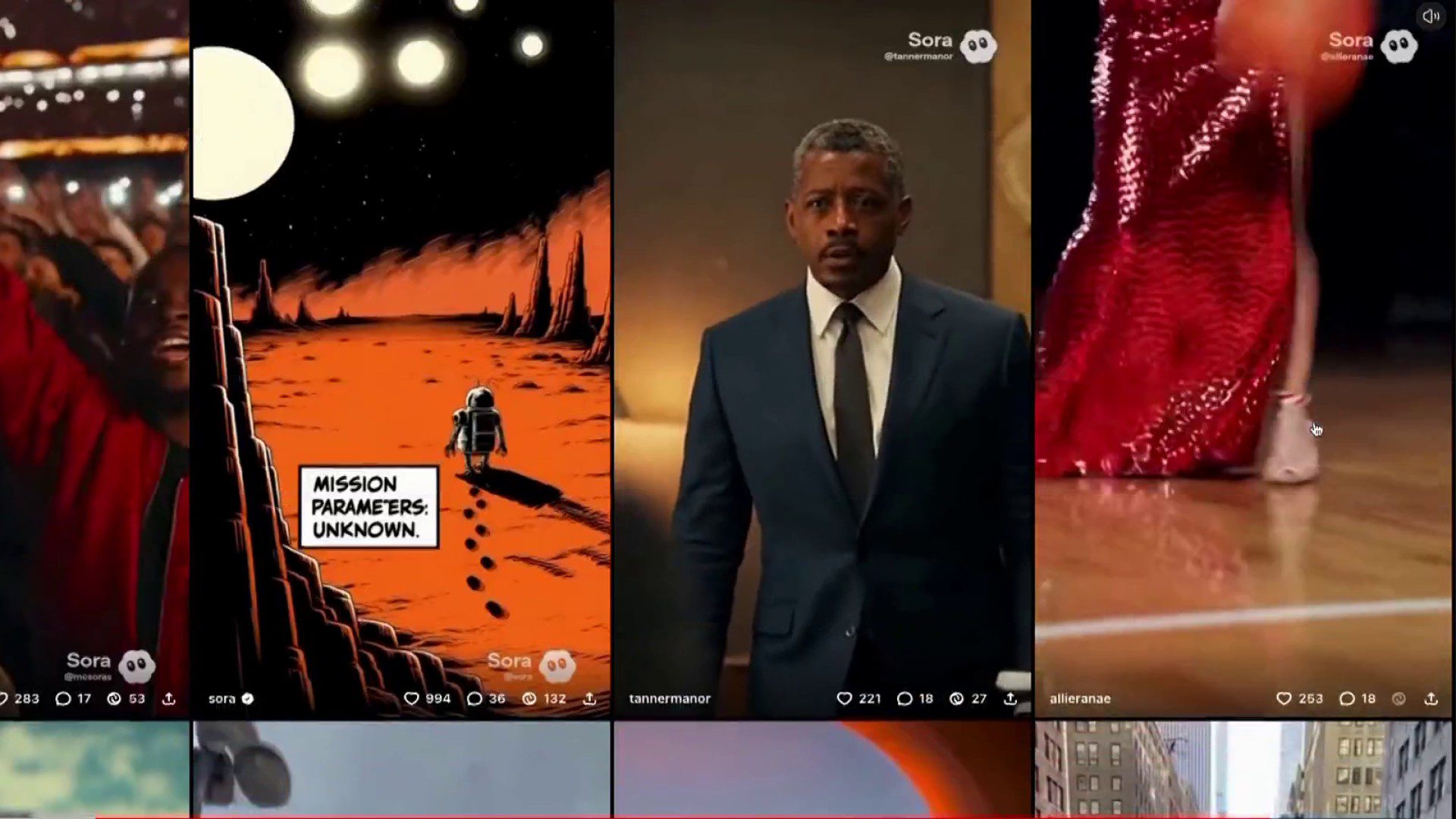
When OpenAI announced that it was saying goodbye to the Sora app, the reaction was immediate. The conversation spread quickly across creator communities, tech circles, and marketing teams, not only because Sora had become one of the most talked-about names in AI video, but because its shutdown signaled something bigger than the end of a single product experience.
For a while, Sora stood for the promise of AI-generated video at its most exciting. It helped push the category into the mainstream imagination. Suddenly, text-to-video was no longer a futuristic concept reserved for research labs and demos. It became something brands, creators, filmmakers, and solo entrepreneurs could actually picture using in their day-to-day workflows. Sora made AI video feel culturally relevant, commercially interesting, and creatively disruptive all at once.
That is exactly why the news matters.
Sora shutting down does not mean AI video is failing. If anything, it marks the end of the industry’s first phase: the phase dominated by spectacle. In that stage, the biggest question was, “Can these models create something visually impressive enough to shock the internet?” The answer, clearly, was yes. But once that question was settled, the market moved on to harder and more practical ones.
Can creators rely on these tools consistently? Can teams control structure, style, pacing, and output quality? Can marketers generate assets fast enough to match campaign cycles? Can agencies work across multiple model types without rebuilding their workflows every few months? And just as importantly, can platforms provide a user experience that feels stable, repeatable, and production-ready rather than experimental?
This is where the real AI video market is now being defined.
The next winners in AI video will not necessarily be the loudest brands or the ones that first captured headlines. They will be the platforms that make creation easier, faster, and more dependable. In other words, the shift is from “wow factor” to workflow value. That may sound less glamorous, but it is the stage where real adoption happens.
For creators, this shift is actually good news. The early hype cycle made AI video look like a miracle machine: type a sentence, get a cinematic masterpiece. In practice, creative work is messier. Users need iteration. They need model choice. They need image-to-video, text-to-video, reference-based generation, and room to experiment without being locked into a single ecosystem. They also need outputs that can serve practical purposes, whether that means social media clips, product storytelling, visual prototypes, or branded content.
That’s why more flexible platforms are becoming increasingly relevant. Seedance AI is a good example of this broader transition. Rather than depending on a single narrative or a one-model identity, it presents AI video as a usable toolkit. For users who care less about hype and more about results, that matters. A platform that brings together multiple models and creation modes in one place is often more valuable than one that asks creators to bet everything on a single flagship experience.
This is especially true for businesses and independent creators who operate under real deadlines. They are not choosing tools based on which demo went viral last month. They are choosing based on output quality, consistency, speed, and flexibility. If one model works better for cinematic motion, another for prompt accuracy, and another for stylized short-form content, then the most practical platform is the one that lets them access those options without friction.
In that sense, Sora’s shutdown may end up being remembered less as a loss and more as a turning point. It reminds the market that technical brilliance alone does not guarantee long-term product success. Users do not just want astonishing generation. They want controllable generation. They want a tool they can return to tomorrow, next week, and next quarter.
AI video is not going away. It is becoming more mature, more competitive, and more product-driven. The companies that thrive in this next chapter will be the ones that understand creators are no longer looking for a novelty. They are looking for infrastructure.
So yes, Sora shutting down is a major headline. But the bigger story is what comes after it. The AI video space is no longer about proving that the technology works. It is about proving which platforms are actually built to last. And in that environment, practical, adaptable products like Seedance 2.0 may have a much stronger role to play than many people expected.