The gaming marketplace is still constantly evolving annually. Players are always looking for more cosmetic improvements. Skin trading has become a huge element of the competitive gaming culture these days. Many players enjoy collecting rare weapon finishes and unique items. Some just trade skins to boost their supplies for money. Today, millions of players actively trade CSGO skins through different online platforms.
It seems like a very easy process in the beginning. Trading, however, demands strategy, patience, and market awareness. Modern trading communities also support players who want to trade CS2 skins after the franchise evolved. Newer collections, new looks, and new demand from the community all make their way to the market. This guide explains everything beginners and experienced traders should understand before entering the skin economy.
Understanding the Popularity of Skin Trading
Counter-Strike skins changed gaming economies forever. Cosmetic items became digital collectibles with real demand. Players enjoy trading because it offers:
- Inventory customization
- Profit opportunities
- Social interaction
- Collection building
- Competitive prestige
Rare skins often gain popularity quickly. Some items become highly valuable due to limited availability. Several factors influence market value:
- Rarity level
- Exterior condition
- Sticker combinations
- Weapon popularity
- Tournament associations
The excitement of finding profitable trades keeps communities active daily.
How the Skin Trading Economy Works
Skin trading functions similarly to real collectible markets. Supply and demand determine pricing constantly. Common trading methods include:
- Direct player exchanges
- Marketplace listings
- Auction systems
- Trade bots
Prices fluctuate regularly due to updates, tournaments, and player interest. Skins usually fall into several rarity groups:
- Consumer Grade
- Industrial Grade
- Mil Spec
- Restricted
- Classified
- Covert
Knife skins and gloves often command premium prices. Limited event items also attract strong demand. Understanding price trends helps players avoid poor trading decisions.
Why Players Continue Trading Skins
The trading ecosystem offers benefits beyond appearance upgrades.
Customization Freedom
Players enjoy building personalized inventories. Unique skins create a stronger identity during matches. Many gamers prefer colourful finishes matching their playstyle.
Potential Revenue Opportunities
Some players treat skins like digital investments. Older collections sometimes rise significantly in value. Strategic traders monitor:
- Market trends
- Case discontinuations
- Tournament stickers
- Community demand
Patience often matters more than aggressive trading.
Entertainment Value
Trading itself becomes enjoyable for many players. Negotiations and successful deals create excitement. Communities frequently discuss market predictions and rare discoveries.
Important Safety Tips Before Trading
One of the most important facts that you all should know is that online trading carries risks. Scams remain common across many platforms. Always follow essential safety practices.
Use Trusted Platforms
Choose reputable marketplaces with secure trading systems. Reliable platforms usually provide:
- Verified user systems
- Trade protection
- Escrow features
- Transparent pricing
- Customer support
Avoid suspicious websites offering unrealistic discounts.
Double Check Every Trade
Always inspect trade offers carefully before confirming. Review:
- Item names
- Float values
- Sticker placements
- Trade quantities
Protect Your Steam Account
Strong account security remains extremely important. Enable:
- Two-factor authentication
- Steam Guard protection
- Strong passwords
Never share account credentials with anyone.
Best Strategies for Successful Skin Trading
Profitable trading requires planning and discipline. Here are some smart strategies that you should consider while trading:
Start Small
Beginners should avoid expensive trades initially. Lower-risk items help players learn market behavior safely. Start by studying:
- Popular weapons
- Daily price movement
- Community preferences
- Recent updates
Experience gradually improves decision-making.
Learn Market Timing
Skin prices shift constantly throughout the year. Common price influences include:
- Major tournaments
- Game updates
- New case releases
- Seasonal sales
Buying during lower demand periods often creates better opportunities.
Focus on Liquid Skins
Some skins sell faster than others. Highly liquid items usually include:
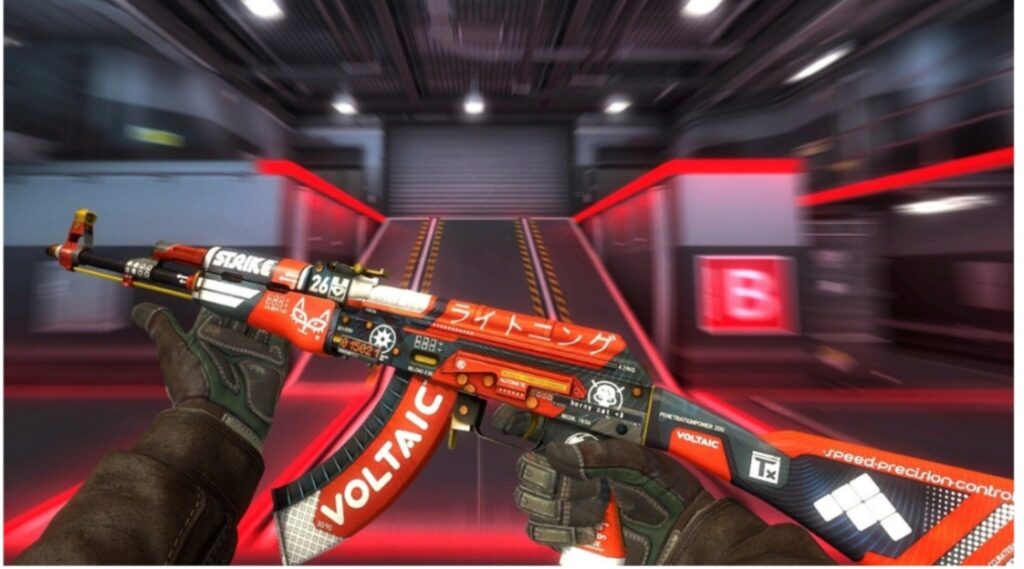
- AK-47 skins
- AWP skins
- M4A4 finishes
- Knife skins
Fast-selling items improve trading flexibility.
Understand Skin Conditions
Condition heavily affects market value. Even identical skins may carry different prices. Common conditions include:
- Factory New
- Minimal Wear
- Field Tested
- Well Worn
- Battle Scarred
Factory New items generally command the highest prices. Float values also influence appearance. Lower float numbers usually mean cleaner finishes. Collectors often pay premiums for rare patterns or exceptional float combinations.
How CS2 Changed Skin Trading
The release of Counter-Strike 2 increased market activity significantly. Visual upgrades made many skins appear more attractive. Lighting improvements boosted demand for colorful finishes. As players continue to trade CS2 skins, several newer trends have emerged:
- Increased interest in Doppler knives
- Higher demand for bright finishes
- Sticker market growth
- Rising collector interest
The transition also introduced fresh opportunities for experienced traders. Some older skins gained renewed popularity after graphical improvements.
The Importance of Patience
Patience separates successful traders from reckless ones. Quick flipping sometimes works temporarily. However, long-term strategies often deliver better consistency. Experienced traders usually:
- Monitor markets carefully
- Wait for favorable pricing
- Avoid emotional purchases
- Diversify inventories
Slow growth often proves more sustainable.
Future Trends in Skin Trading
The digital cosmetics market keeps expanding rapidly. Several trends may shape future trading:
- Improved marketplace security
- Enhanced item verification
- Growing esports influence
- More collector-driven pricing
As technology evolves, trading systems may become even more accessible globally. The popularity of esports also strengthens long-term community engagement. Many players still actively trade CSGO skins despite newer updates.
Nostalgia and classic collections maintain strong demand. Meanwhile, competitive players increasingly trade CS2 skins due to graphical upgrades and evolving inventories. Both markets continue attracting collectors, investors, and casual players alike.
How to Build a Valuable Inventory
Successful inventories usually balance aesthetics and liquidity. Good inventory planning includes:
- Popular weapon skins
- Stable market items
- High demand finishes
- Limited collectibles
Choosing the Right Trading Approach
Different trading styles suit different personalities.
Casual Collectors
Collectors prioritize appearance and enjoyment. They usually seek:
- Matching inventories
- Favorite weapon finishes
- Rare collectibles
Profit matters less for these users.
Active Traders
Active traders focus on market movement and price differences. They spend time analyzing:
- Daily trends
- Community sentiment
- Price volatility
Frequent trading requires stronger market knowledge.
Conclusion
Skin trading continues shaping gaming culture worldwide. The market combines entertainment, collecting, and strategy successfully. Players who understand pricing, safety, and market behavior gain better experiences overall. Always prioritize account security and careful research before completing trades.
The communities surrounding trade CSGO skins remain highly active today. Their popularity continues to grow alongside competitive gaming itself. With patience and smart decisions, players can enjoy trading safely while building impressive digital collections.